Mr Richard Cobb
Specialist Oral & Maxillofacial Surgeon
- Oral Surgery
- Jaw Surgery
- Facial Surgery
- Skin Surgery

All wounds heal with a scar, and most heal extremely well. However, some scars may become thickened, raised or disfiguring. Facial scars can significantly affect a patient's quality of life and although they cannot be completely removed, can often be significantly improved.
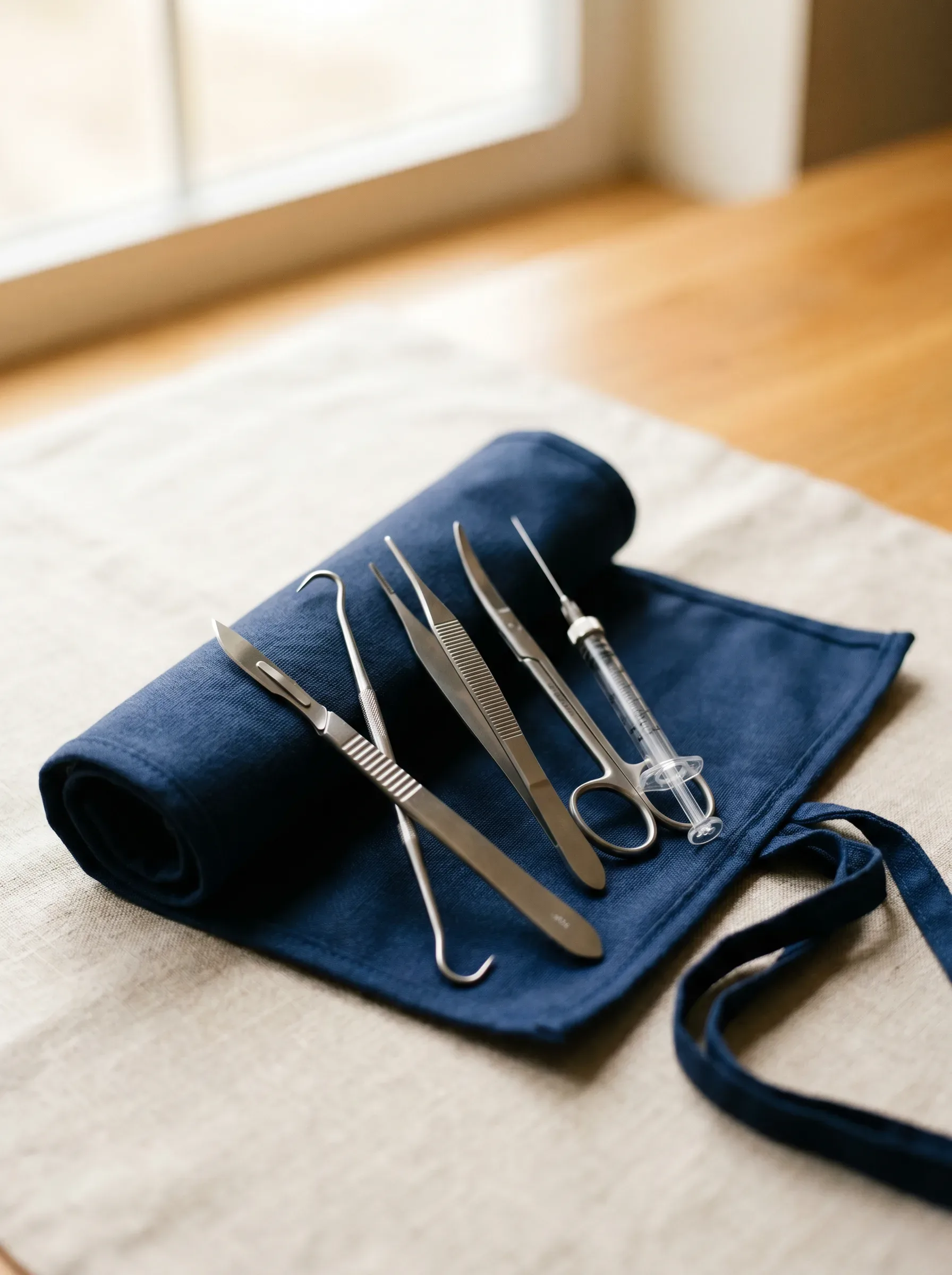
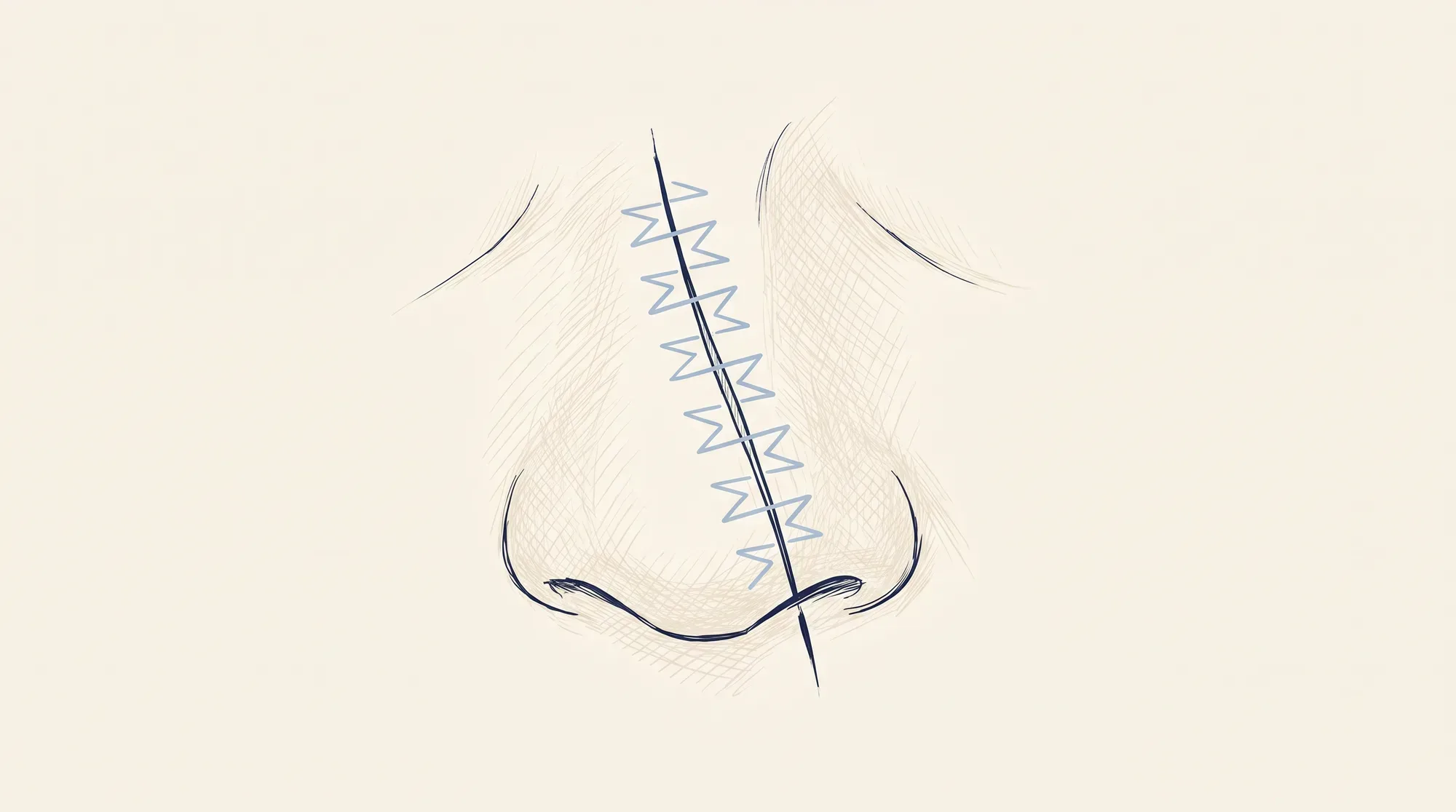
Surgical and non-surgical management of facial scars to improve appearance and texture. Options range from steroid injections for thickened scars through to formal surgical revision (Z-plasty, serial excision) to optimise the final result.
IS THIS FOR YOU?
Understanding the anatomy
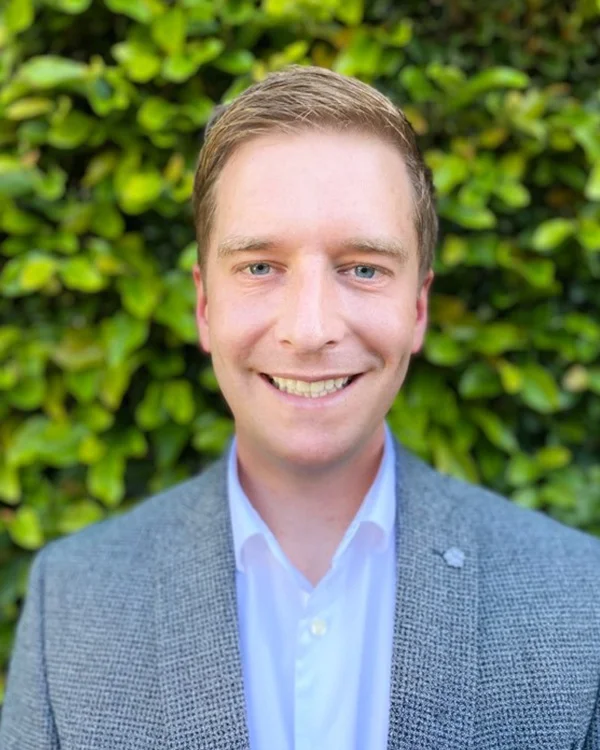
All three surgeons at OMS Specialists perform this procedure. Each holds dual qualifications in medicine and dentistry and is a Fellow of the Royal Australasian College of Dental Surgeons or the Royal College of Surgeons of England.
Specialist Oral & Maxillofacial Surgeon
Specialist Oral & Maxillofacial Surgeon
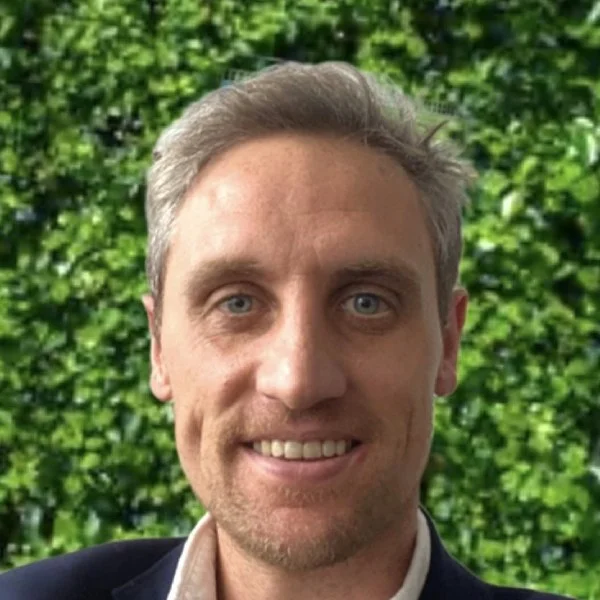
Specialist Oral & Maxillofacial Surgeon
RECOVERY TIMELINE
Local discomfort and dressings to the surgical site. Simple analgesia. Most patients return to normal activity within a day.
Heavy bleeding, fever over 38°C, or severe pain not relieved by prescribed medication.
Sutures removed at 5 to 10 days. Initial scar is red and firm.
Scar maturation continues for 6 to 12 months. The new scar softens, flattens and fades progressively. Sun protection during this window optimises the result.
| Phase | What to expect | When to contact us |
|---|---|---|
| First 24 hours | Local discomfort and dressings to the surgical site. Simple analgesia. Most patients return to normal activity within a day. | Heavy bleeding, fever over 38°C, or severe pain not relieved by prescribed medication. |
| Day 5–10 | Sutures removed at 5 to 10 days. Initial scar is red and firm. | |
| Month 6–12 | Scar maturation continues for 6 to 12 months. The new scar softens, flattens and fades progressively. Sun protection during this window optimises the result. |
RISKS & HONESTY
Scars cannot be completely removed but can often be significantly improved. Realistic expectations are essential and are discussed in detail at consultation.
Hypertrophic and keloid scars can recur after revision. Combined treatment with steroid injections, silicone gel and pressure garments reduces but does not eliminate this risk.
Infection at the surgical site is uncommon and is managed with prescribed antibiotics. Delayed healing can occur in patients with chronic conditions or smokers.
Despite careful planning, the final result may not match expectations exactly and further revision is occasionally considered.
FREQUENTLY ASKED
All wounds heal with a scar, and most heal extremely well. However, some scars may become thickened, raised or disfiguring. Facial scars can significantly affect a patient's quality of life and although they cannot be completely removed, can often be significantly improved. The aim of scar revision is to convert a problem scar into a more inconspicuous one, not to make the scar disappear.
This sometimes involves local treatments, such as steroid injections, or formal surgical revision to get the best possible result. Techniques include Z-plasty (to break up a straight-line scar), serial excision (gradual removal over multiple stages), and combined modality treatment with steroid injections, silicone gel and pressure garments. The best option depends on the scar pattern, location and your goals.
Most scar revision is best performed once the scar has fully matured, typically 6 to 12 months after the original injury or surgery. Earlier intervention is occasionally appropriate for scars that are functionally restrictive or rapidly becoming hypertrophic, where steroid injection or other early treatment may help.
RELATED PROCEDURES
DIRECT
Online form. Our admin team will respond within one working day.
Request appointmentCLINICIANS
For GPs, dentists and specialists. Secure referral portal with imaging upload.
Refer a patientSPEAK DIRECTLY
Mon to Fri, 8:00am to 5:00pm. Reception will route your call to the right person.
Call (09) 477 0058