Mr Richard Cobb
Specialist Oral & Maxillofacial Surgeon
- Oral Surgery
- Jaw Surgery
- Facial Surgery
- Skin Surgery

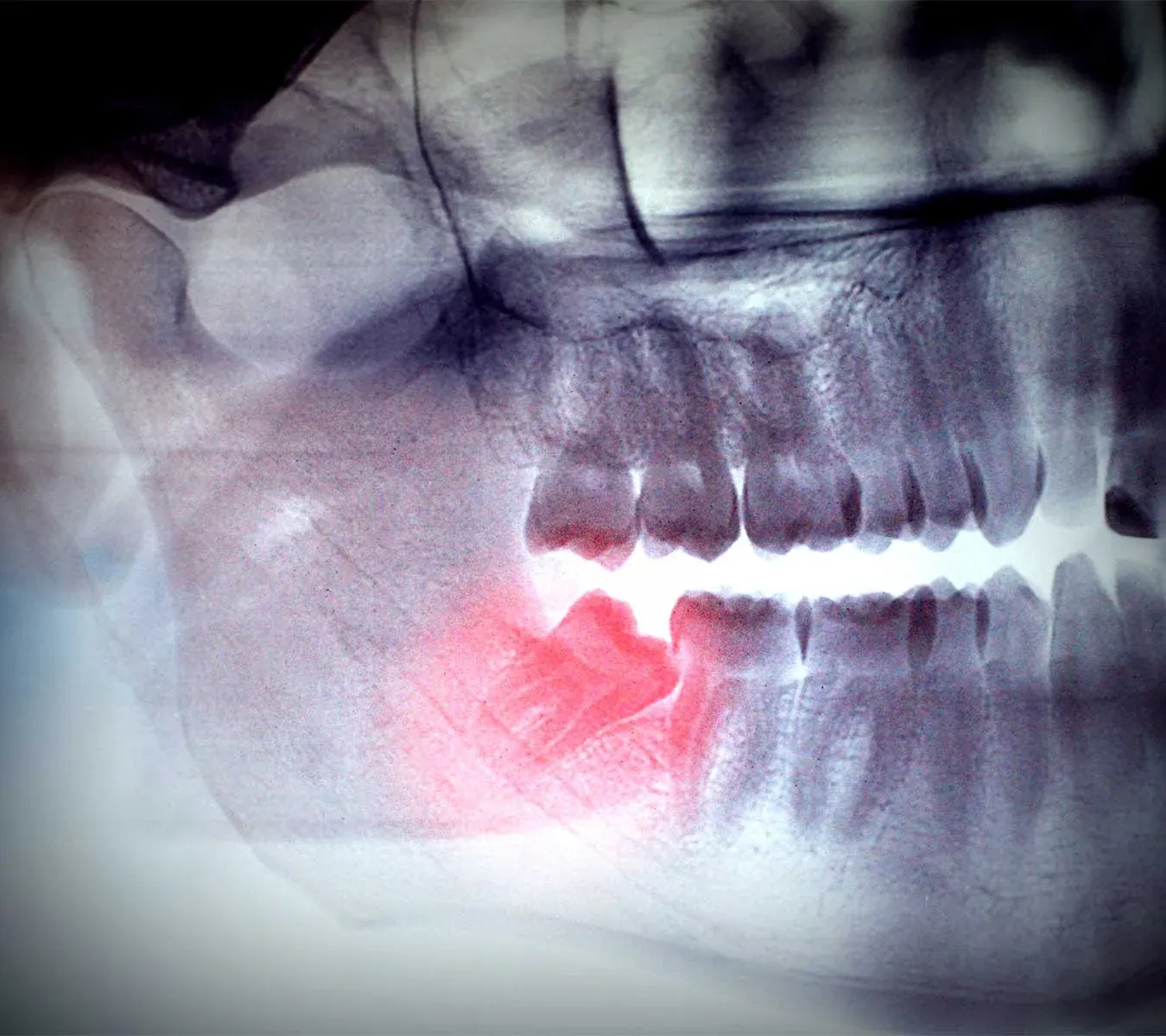
During dental development, adult teeth can occasionally become stuck (impacted) before erupting into the mouth. This can cause a problem for orthodontists as they try to straighten teeth, but also can have consequences such as the resorption of neighbouring tooth roots, or the development of dental cysts.
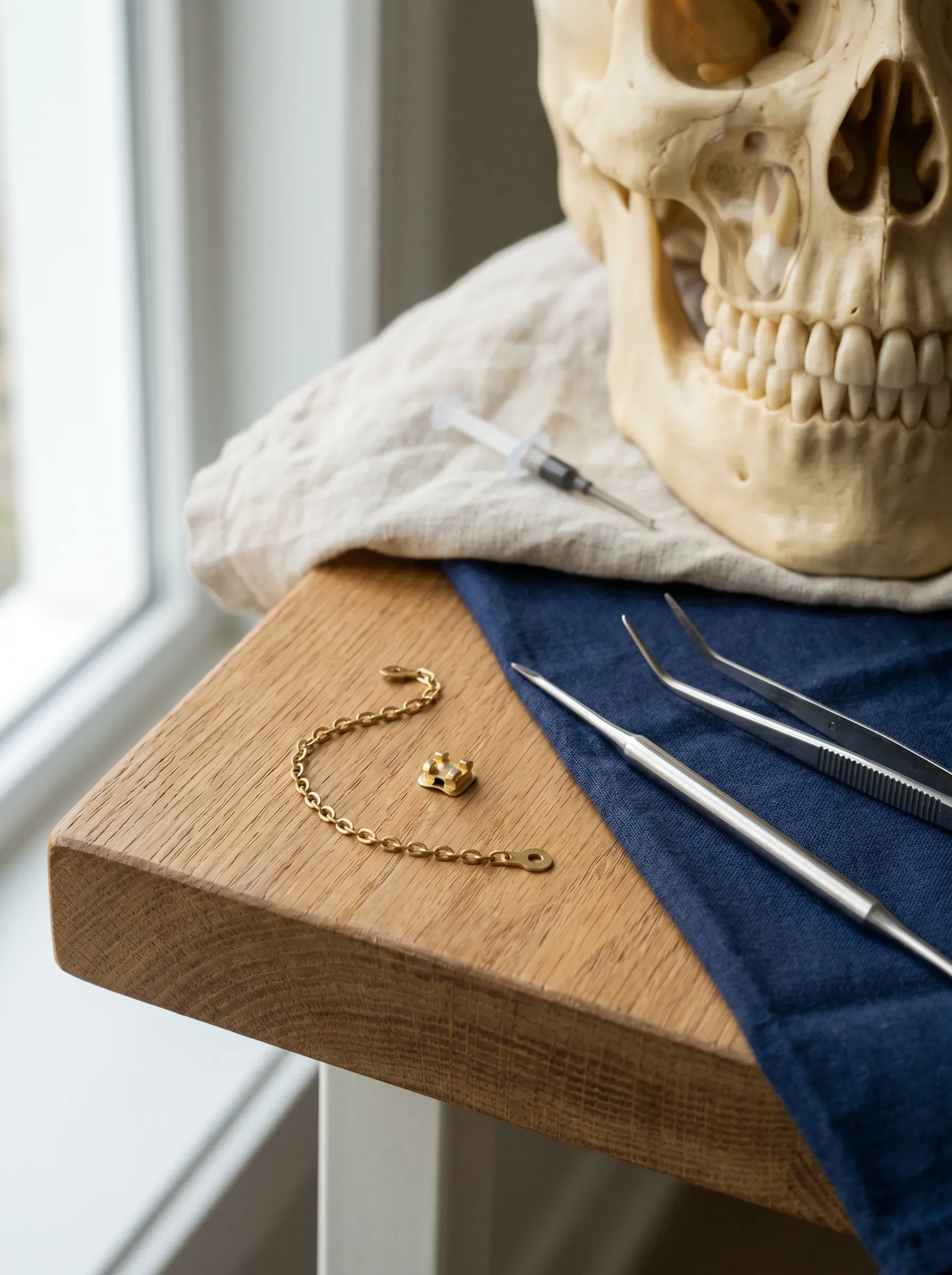
Surgical exposure of unerupted teeth (commonly canines or incisors) so the orthodontist can guide the tooth into position with braces. Undertaken in conjunction with your specialist orthodontist as part of an overall orthodontic treatment plan.
IS THIS FOR YOU?
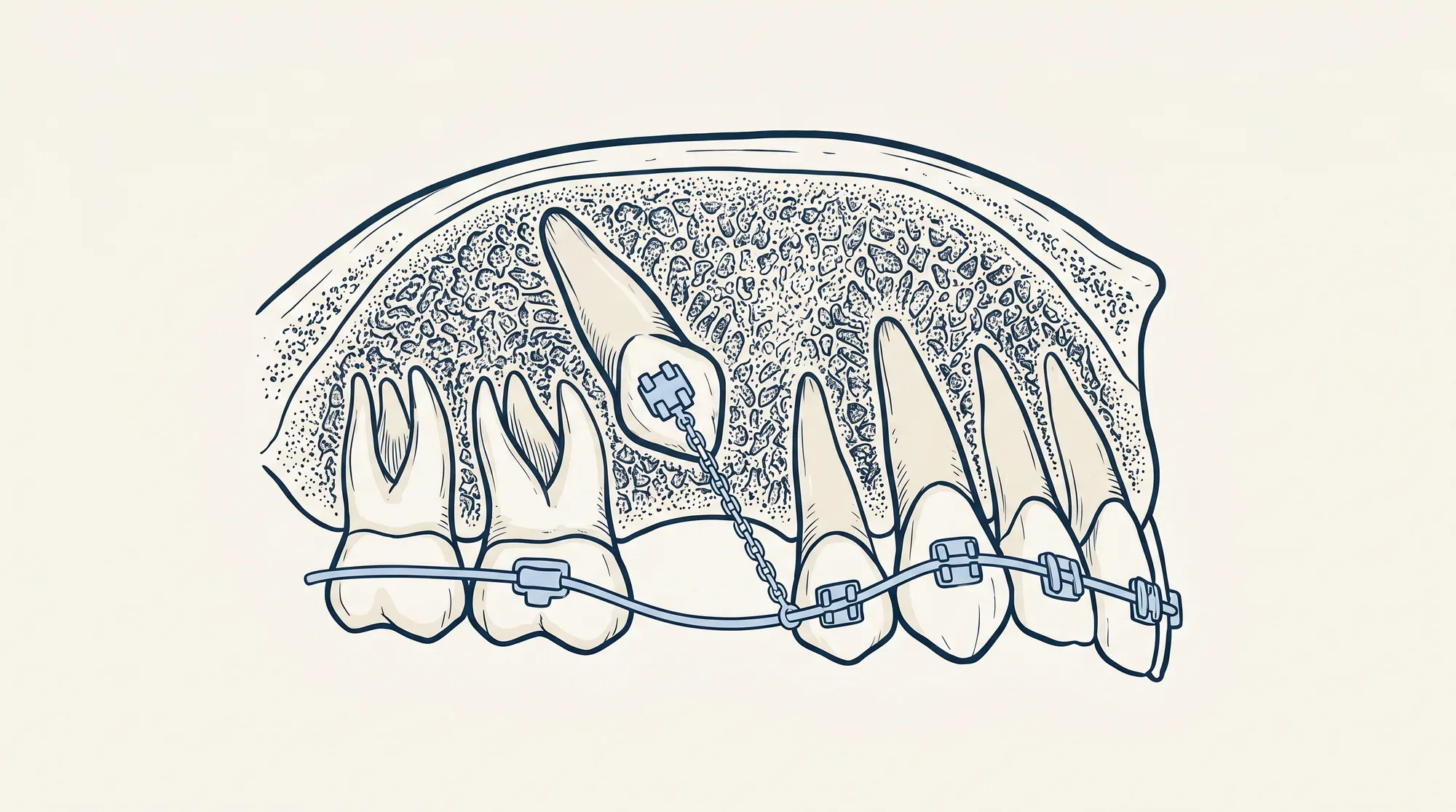
Understanding the anatomy
All three surgeons at OMS Specialists perform this procedure. Each holds dual qualifications in medicine and dentistry and is a Fellow of the Royal Australasian College of Dental Surgeons or the Royal College of Surgeons of England.
Specialist Oral & Maxillofacial Surgeon
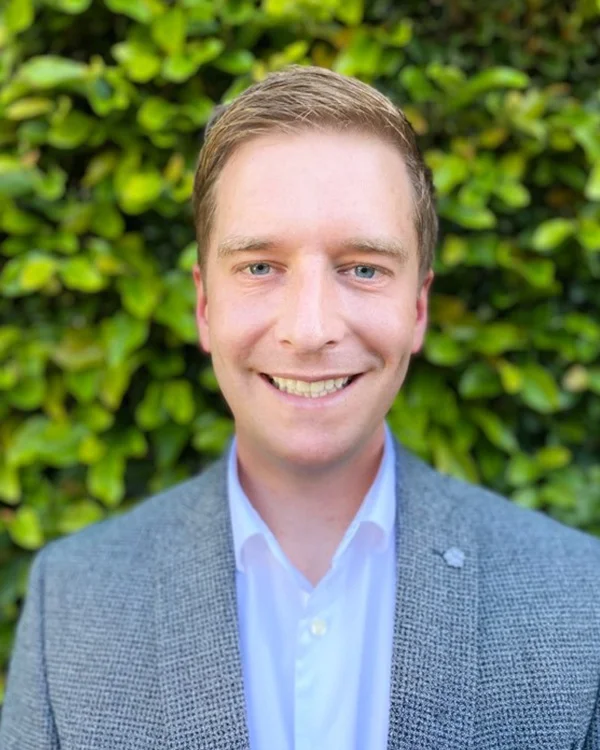
Specialist Oral & Maxillofacial Surgeon
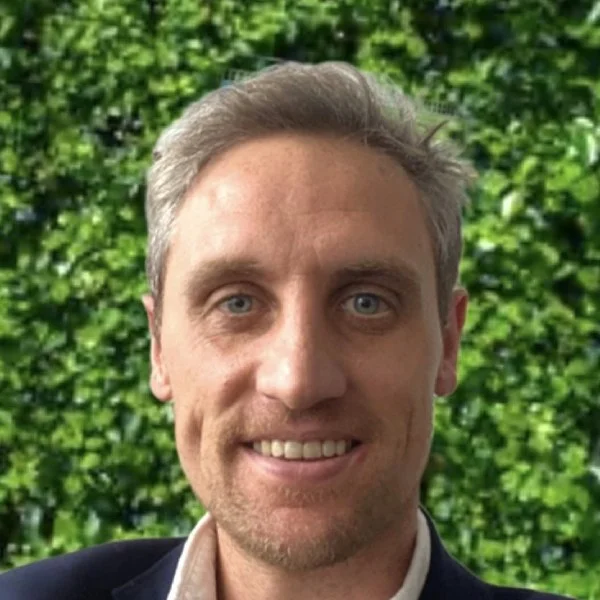
Specialist Oral & Maxillofacial Surgeon
RECOVERY TIMELINE
Day-stay procedure. Rest with the head elevated, soft diet, ice to the cheek and simple analgesia. The bonded chain is visible inside the mouth.
Heavy bleeding, fever over 38°C, or severe pain not relieved by prescribed medication.
Soft diet continues. Most patients (often teens or young adults) return to school or desk-based work within 3 to 5 days.
Your orthodontist uses the bonded chain to gently guide the tooth into position over many months, as part of the wider braces treatment plan.
| Phase | What to expect | When to contact us |
|---|---|---|
| First 24 hours | Day-stay procedure. Rest with the head elevated, soft diet, ice to the cheek and simple analgesia. The bonded chain is visible inside the mouth. | Heavy bleeding, fever over 38°C, or severe pain not relieved by prescribed medication. |
| Day 2–7 | Soft diet continues. Most patients (often teens or young adults) return to school or desk-based work within 3 to 5 days. | |
| Months 1–18 | Your orthodontist uses the bonded chain to gently guide the tooth into position over many months, as part of the wider braces treatment plan. |
RISKS & HONESTY
Occasionally the bonded chain can come loose and require re-bonding. Soft diet in the early healing window minimises this risk.
Post-operative infection is uncommon; prescribed mouthwash and any antibiotics should be used as directed.
Where the impacted tooth lies very close to neighbouring teeth, careful surgical access minimises but does not eliminate the risk of damage to adjacent roots.
In some cases, despite surgical exposure and orthodontic traction, an impacted tooth may not move into position and may eventually need to be removed.
FREQUENTLY ASKED
Some adult teeth, most commonly the upper canines, become impacted within the jawbone and do not erupt into the mouth on their own. Left unmanaged this can lead to root resorption of neighbouring teeth, dental cyst formation, or simply a gap in the dental arch. Surgical exposure and bonding of a gold chain allows your orthodontist to guide the tooth into the correct position with braces over many months.
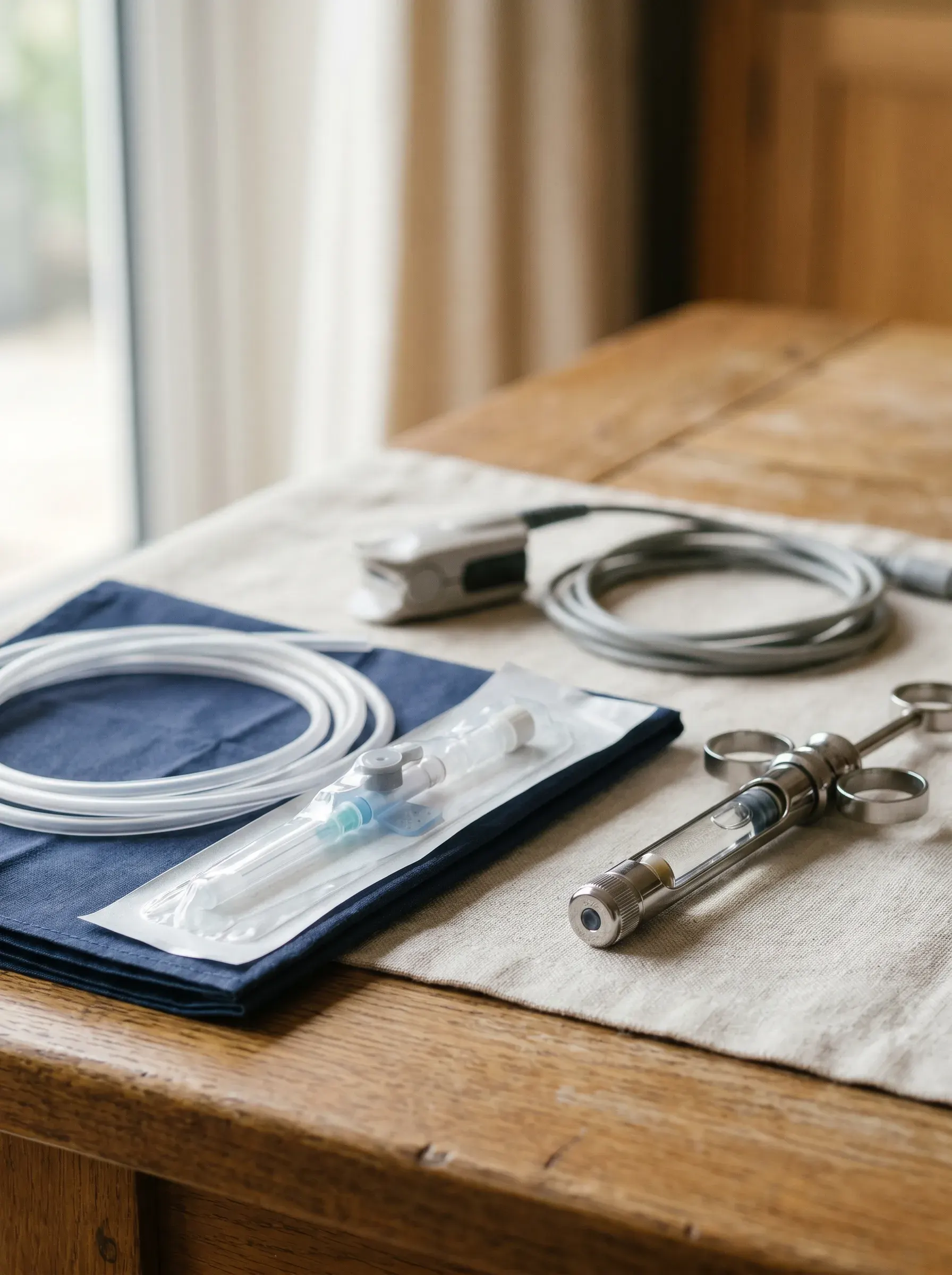
For paediatric and teen patients we commonly perform this procedure under local anaesthesia with intravenous sedation (twilight anaesthesia) for comfort, or general anaesthesia in a hospital setting for anxious patients or more complex cases. The choice is made with you at consultation.
Once the chain is bonded, your orthodontist begins applying gentle traction with braces and the tooth typically moves into position over 6 to 18 months, depending on the depth of impaction and the overall braces plan.
Many health insurers including Southern Cross and Nib cover surgical exposure and bonding under their surgical plans, although orthodontic treatment itself is usually paid separately. A written estimate is provided at consultation.
RELATED PROCEDURES
DIRECT
Online form. Our admin team will respond within one working day.
Request appointmentCLINICIANS
For GPs, dentists and specialists. Secure referral portal with imaging upload.
Refer a patientSPEAK DIRECTLY
Mon to Fri, 8:00am to 5:00pm. Reception will route your call to the right person.
Call (09) 477 0058