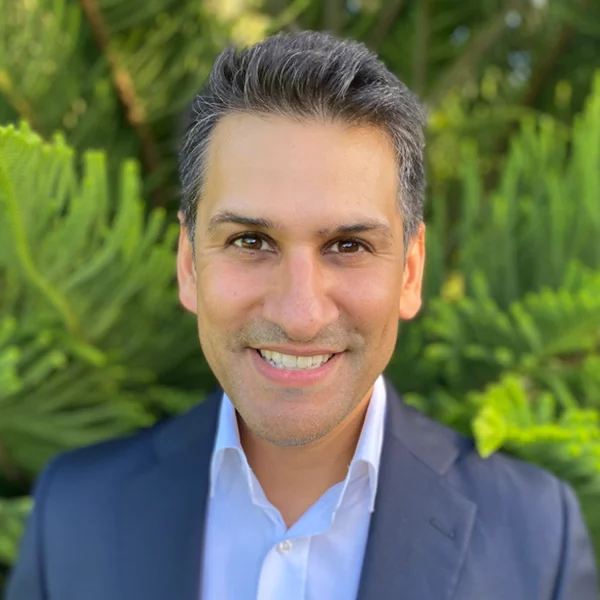
Mr Richard Cobb
Specialist Oral & Maxillofacial Surgeon
- Oral Surgery
- Jaw Surgery
- Facial Surgery
- Skin Surgery

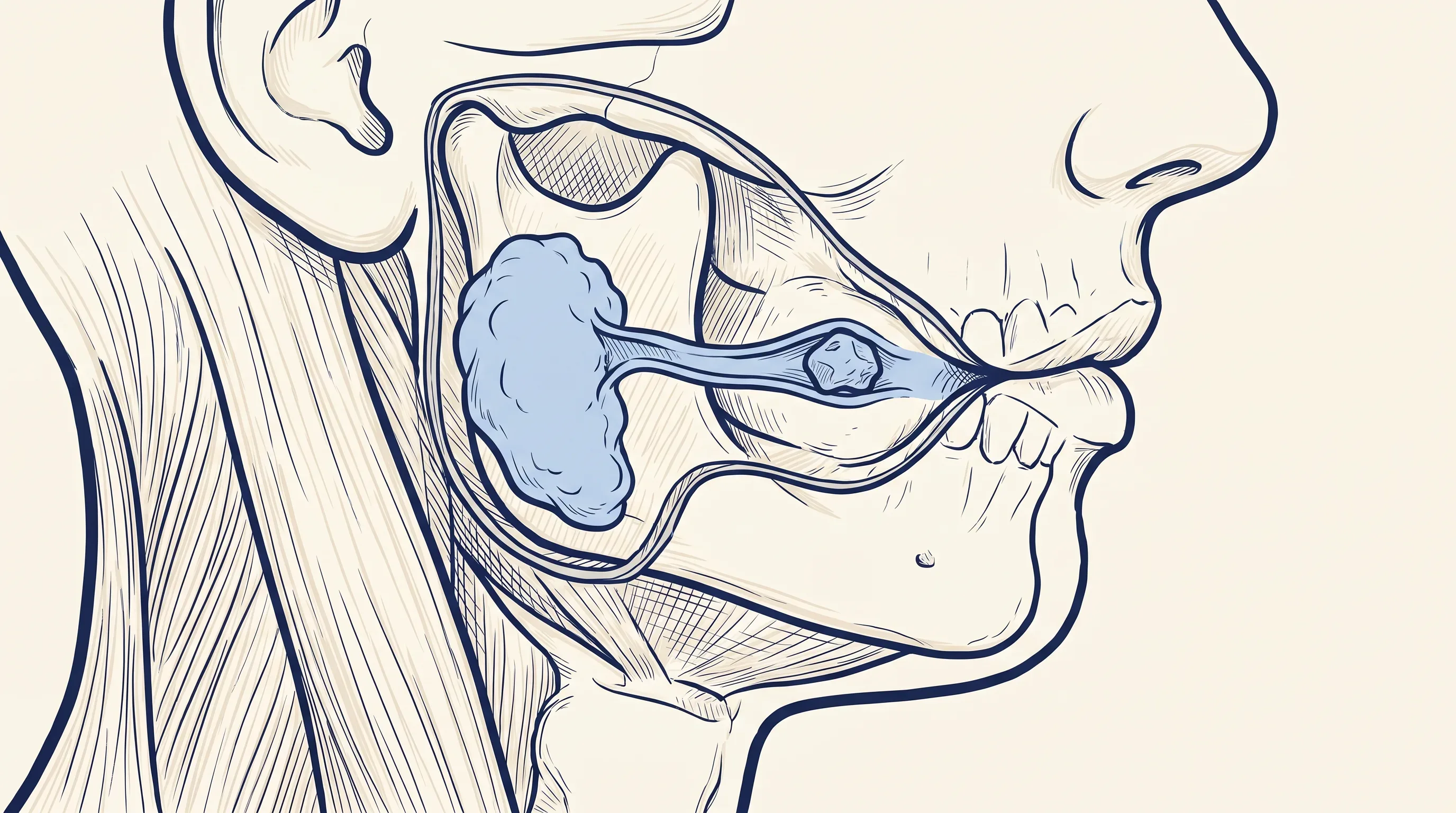
Swellings or lumps within the salivary glands are a relatively common problem and can be caused by blockages in the glands such as stones or mucus plugs, or can be due to tumours within the glands. These lesions need to be investigated carefully, usually with the use of imaging and sometimes biopsies.
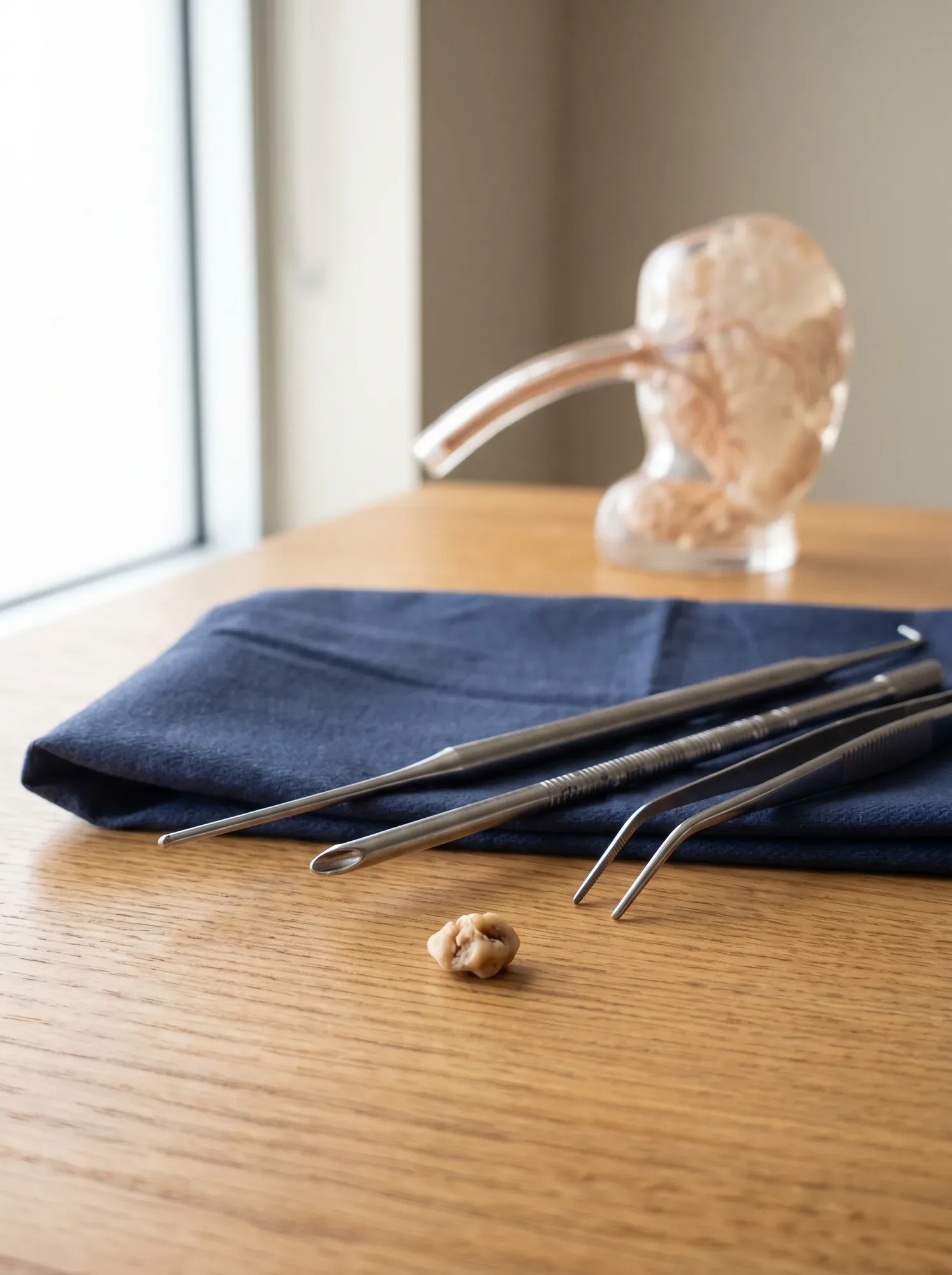
Surgical management of salivary gland conditions including stones, mucus plugs and tumours. Depending on the cause, treatment ranges from intra-oral stone release (IOSR) for stones within the duct to surgical removal of the affected gland.
IS THIS FOR YOU?
Understanding the anatomy
All three surgeons at OMS Specialists perform this procedure. Each holds dual qualifications in medicine and dentistry and is a Fellow of the Royal Australasian College of Dental Surgeons or the Royal College of Surgeons of England.
Specialist Oral & Maxillofacial Surgeon
Specialist Oral & Maxillofacial Surgeon

Specialist Oral & Maxillofacial Surgeon
RECOVERY TIMELINE
Day-stay procedure under local anaesthesia with sedation, or general anaesthesia. Soft diet, simple analgesia and rapid return to normal activity within a few days.
Severe swelling, fever over 38°C, or inability to swallow fluids.
Hospital admission for open gland removal. Soft diet for several days, dressings to any external wound, and return to desk-based work usually within 1 to 2 weeks.
Continued healing and, where a gland has been removed, the remaining salivary glands compensate for normal saliva production over time.
| Phase | What to expect | When to contact us |
|---|---|---|
| Intra-oral stone release (IOSR) | Day-stay procedure under local anaesthesia with sedation, or general anaesthesia. Soft diet, simple analgesia and rapid return to normal activity within a few days. | Severe swelling, fever over 38°C, or inability to swallow fluids. |
| Gland removal | Hospital admission for open gland removal. Soft diet for several days, dressings to any external wound, and return to desk-based work usually within 1 to 2 weeks. | |
| Long-term | Continued healing and, where a gland has been removed, the remaining salivary glands compensate for normal saliva production over time. |
RISKS & HONESTY
The branches of the facial nerve pass through the parotid gland. Careful surgical technique minimises the risk of temporary or permanent weakness of the muscles of facial expression.
Stones and mucus plugs can recur after intra-oral stone release. Definitive gland removal is considered for recurrent cases.
Open gland removal leaves an external scar that fades over months. Intra-oral stone release leaves no external scar.
Numbness around the surgical site or altered taste can occur transiently and usually recovers.
FREQUENTLY ASKED
Intra-oral stone release (IOSR) removes a stone from the salivary duct through the inside of the mouth, with no external incision or scar. It is performed under local anaesthesia with sedation, or general anaesthesia, and most patients are home the same day. When stones recur or a gland is persistently affected, surgical removal of the gland may be recommended.
Swellings or lumps within the salivary glands are a relatively common problem and can be caused by blockages in the glands such as stones or mucus plugs or can be due to tumours within the glands. These lesions need to be investigated carefully, usually with the use of imaging and sometimes biopsies. The treatment plan depends on the diagnosis and is discussed in detail at consultation.
Intra-oral stone release leaves no external scar. Open removal of a salivary gland (particularly the parotid) leaves an external scar that fades over months and is usually well-camouflaged in the natural skin creases.
The salivary glands work together, and removing one gland rarely causes a noticeably dry mouth because the remaining glands compensate. Altered taste around the surgical site can occur transiently and usually recovers.
RELATED PROCEDURES
DIRECT
Online form. Our admin team will respond within one working day.
Request appointmentCLINICIANS
For GPs, dentists and specialists. Secure referral portal with imaging upload.
Refer a patientSPEAK DIRECTLY
Mon to Fri, 8:00am to 5:00pm. Reception will route your call to the right person.
Call (09) 477 0058