SKIN SURGERY

Facial skin surgery & aesthetic reconstruction in Auckland

Surgical dermatology involves the removal of benign skin lesions for cosmetic purposes and treatments of skin cancers with aesthetic reconstruction. At OMS Specialists, skin surgery is most often undertaken on the face, head and neck, where appearance and scar quality matter most.

OMS Specialists surgeon performing non-melanoma skin cancer excision

Quick answer about this procedure

QUICK ANSWER

Facial skin surgery covers removal of moles, cysts and skin tags, non-melanoma skin cancer (BCC, SCC) excision, post-Mohs reconstruction, and scar revision. Most procedures are performed under local anaesthesia in our purpose designed surgical procedure rooms, and removed lesions are sent for pathology.

Procedure types
4 procedures
Anaesthesia
Local (most cases) · Sedation for larger excisions
Duration
20–90 min
Stay
Day-stay (most cases)
Recovery
1–2 weeks for sutures, scars mature 6–12 months

CONDITIONS WE TREAT

Skin conditions we surgically manage

  • Benign lesions

    • Moles (naevi) that are symptomatic, changing, or cosmetically concerning
    • Sebaceous and epidermoid cysts
    • Skin tags, lipomas and other benign growths
  • Skin cancer

    • Basal cell carcinoma (BCC)
    • Squamous cell carcinoma (SCC)
    • Other non-melanoma skin cancers requiring surgical excision
  • Reconstruction and revision

    • Reconstruction of facial defects following Mohs excision
    • Scar revision following trauma, prior surgery, or poor primary healing

OUR APPROACH

Surgical removal with aesthetic outcome in mind

Skin surgery is usually performed in one of our purpose designed surgical procedure rooms. There is normally a protective dressing applied over sutures (stitches) that have been placed.

Skin lesions that have been removed are sent for analysis under a microscope by a pathologist and you will be given the results of this at your follow up appointment.

Because most of our skin surgery is on the face, head and neck, incisions are planned along the natural skin tension lines where possible, and the aesthetic outcome of the scar is weighed alongside clearance of the lesion. For larger skin cancers our surgeons work alongside dermatologists and Mohs surgeons, taking the surgical removal and reconstructive phase.

PROCEDURES

Four skin surgery procedures we perform

Each procedure has a dedicated page with detail on recovery, pathology workflow, and surgeon assignment.

PROCEDURE 01

Mole, cyst and skin tag removal

Surgical removal of benign skin lesions on the face, head and neck, usually under local anaesthesia. Specimens are sent for pathology where clinically indicated, and closure is planned with the aesthetic outcome in mind.

Local 20–45 min
Read the full procedure
PROCEDURE 02

Non-melanoma skin cancer surgery (NMSC)

Surgical excision of basal cell carcinoma (BCC) and squamous cell carcinoma (SCC) with appropriate margins, followed by reconstruction. Pathology confirms clearance.

Local · Sedation for larger lesions 45–90 min
Read the full procedure
PROCEDURE 03

Scar revision

Surgical revision of scars following prior trauma, surgery or poor primary healing. Techniques may include excision and re-closure, Z-plasty, and serial excision in selected cases.

Local 30–90 min
Read the full procedure
YOUR SURGEONS

Three specialist surgeons across the practice

Each surgeon carries dual qualifications (BDS + MBChB or MBBS) plus Fellowship from the Royal Australasian or English College.

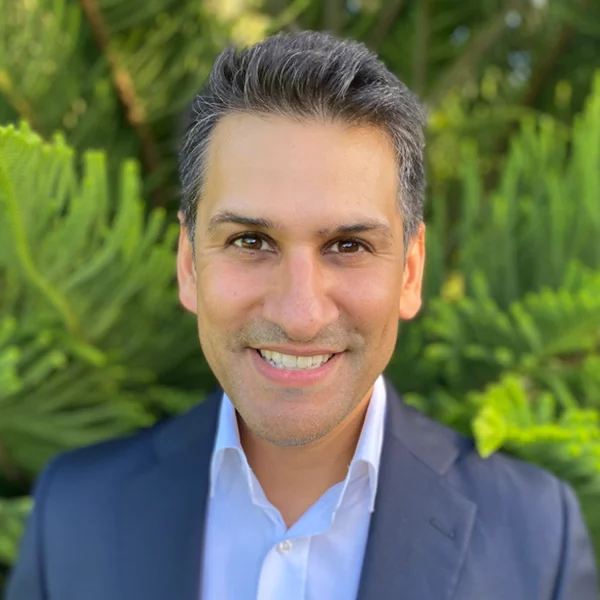
Mr Richard Cobb, Specialist Oral and Maxillofacial Surgeon

Mr Richard Cobb

Specialist Oral & Maxillofacial Surgeon

BDS · MBBS · MFDS(Eng) · MRCS(Eng) · FRCS(OMFS)

  • Oral Surgery
  • Jaw Surgery
  • Facial Surgery
  • Skin Surgery
View full profile
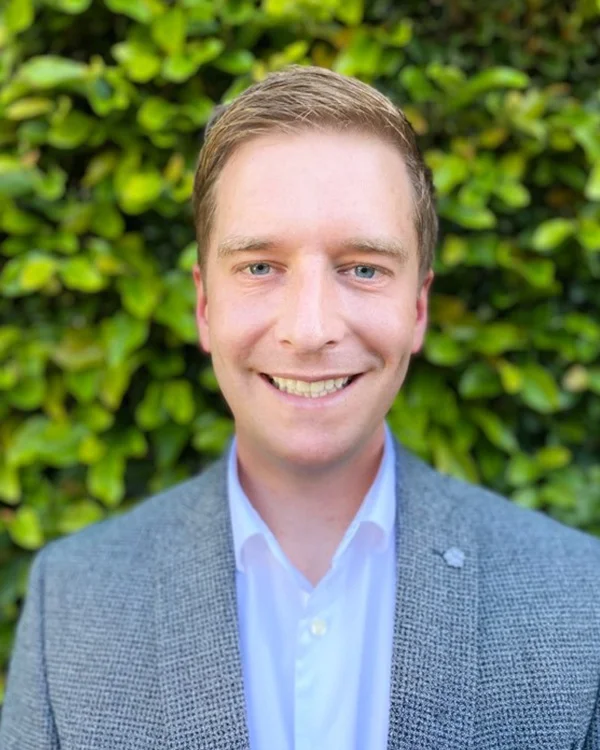
Mr Ryan Smit, Specialist Oral and Maxillofacial Surgeon

Mr Ryan Smit

Specialist Oral & Maxillofacial Surgeon

BDS · MBChB · MRACDS(PDS) · FRACDS(OMS)

  • Oral Surgery
  • Jaw Surgery
  • Facial Surgery
  • Skin Surgery
View full profile
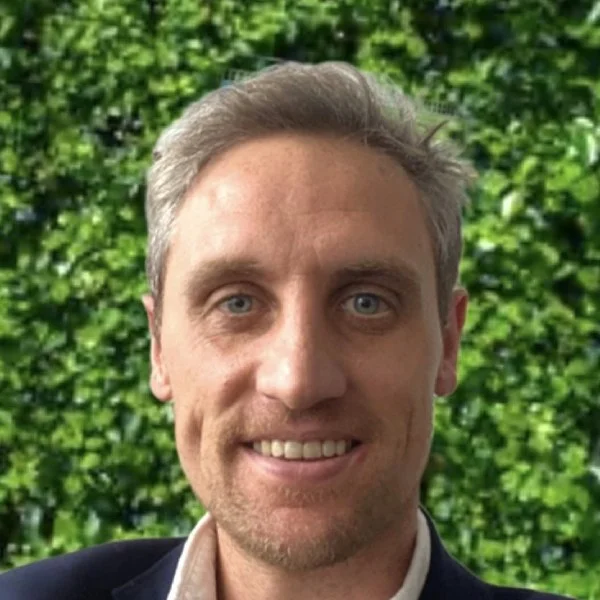
Mr Simon Roberts, Specialist Oral and Maxillofacial Surgeon

Mr Simon Roberts

Specialist Oral & Maxillofacial Surgeon

MBBS · BDS · FRCS(OMFS)

  • Oral Surgery
  • Jaw Surgery
  • Facial Surgery
  • Skin Surgery
View full profile

RECOVERY TIMELINE

What recovery usually looks like after skin surgery

Most skin surgery recovers quickly, although the scar itself usually continues to mature over several months. The timeline below is a general guide.

  • 0–1 week

    Day 1–7

    The dressing is kept dry and intact. Mild discomfort is usually managed with paracetamol; heavy exercise is avoided. Sutures are removed at 5 to 7 days (face) or 10 to 14 days (scalp and body).

    Red flags · Increasing redness, warmth, discharge or fever.

  • 2–4 weeks

    Week 2–4

    The scar is usually pink and slightly raised. Sun protection (SPF50 and a hat) is essential; gentle massage from around week 3 supports remodelling.

  • 2–6 months

    Month 2–6

    The scar gradually softens and pales. Sun protection continues and a follow up confirms the healing trajectory.

  • 6–12 months

    Month 6–12

    The scar reaches its mature appearance, typically a fine pale line. A final assessment is made; scar revision can be considered if the result is unsatisfactory.

FREQUENTLY ASKED

Questions skin surgery patients ask in NZ

Common questions patients ask before booking skin surgery in New Zealand.

How much does skin surgery cost in New Zealand?

The cost depends on the size and location of the lesion, the complexity of the closure (primary closure, local flap, or skin graft), whether intravenous sedation is required, and whether pathology is included. As an indication, a simple mole removal under local anaesthesia typically ranges NZ$400 to $900, non-melanoma skin cancer (BCC or SCC) excision with primary closure NZ$900 to $2,000, and larger excisions with flap reconstruction or post-Mohs reconstruction NZ$2,000 to $5,000 or more. Pathology fees are usually charged separately by the laboratory. At your consultation a full written estimate will be provided covering surgeon, theatre and pathology, along with any sedation cost where indicated.

Do I need a referral, or can I book directly?

You can make a self-referral for a skin surgery consultation, and a GP or dermatologist referral is not required to make an appointment. Many patients do come to us via referral from their GP or dermatologist, particularly for confirmed or suspected non-melanoma skin cancers (basal cell carcinoma or squamous cell carcinoma) where a biopsy has already been performed elsewhere. Please bring any prior pathology reports, clinical photographs or biopsy results to your appointment, or have your referring clinician forward them ahead of time. At consultation we will examine the lesion, discuss closure and aesthetic planning, and give you a treatment plan with all of your options.

Can my GP or dermatologist do this, or do I need a specialist?

GPs and dermatologists routinely manage many smaller lesion removals on the trunk and limbs. Specialist oral and maxillofacial surgeon involvement is usually recommended when the lesion is on the face, head or neck in a cosmetically sensitive area, when complex reconstruction is required after excision, when a prior excision was incomplete and revision is needed, or when the lesion is closely related to important structures such as the eyes, lips, nose or facial nerve. Because most of our skin surgery is on the face, incisions are planned along the natural skin tension lines where possible, and the aesthetic outcome of the scar is weighed alongside clearance of the lesion.

What anaesthetic will I have: local, sedation, or general?

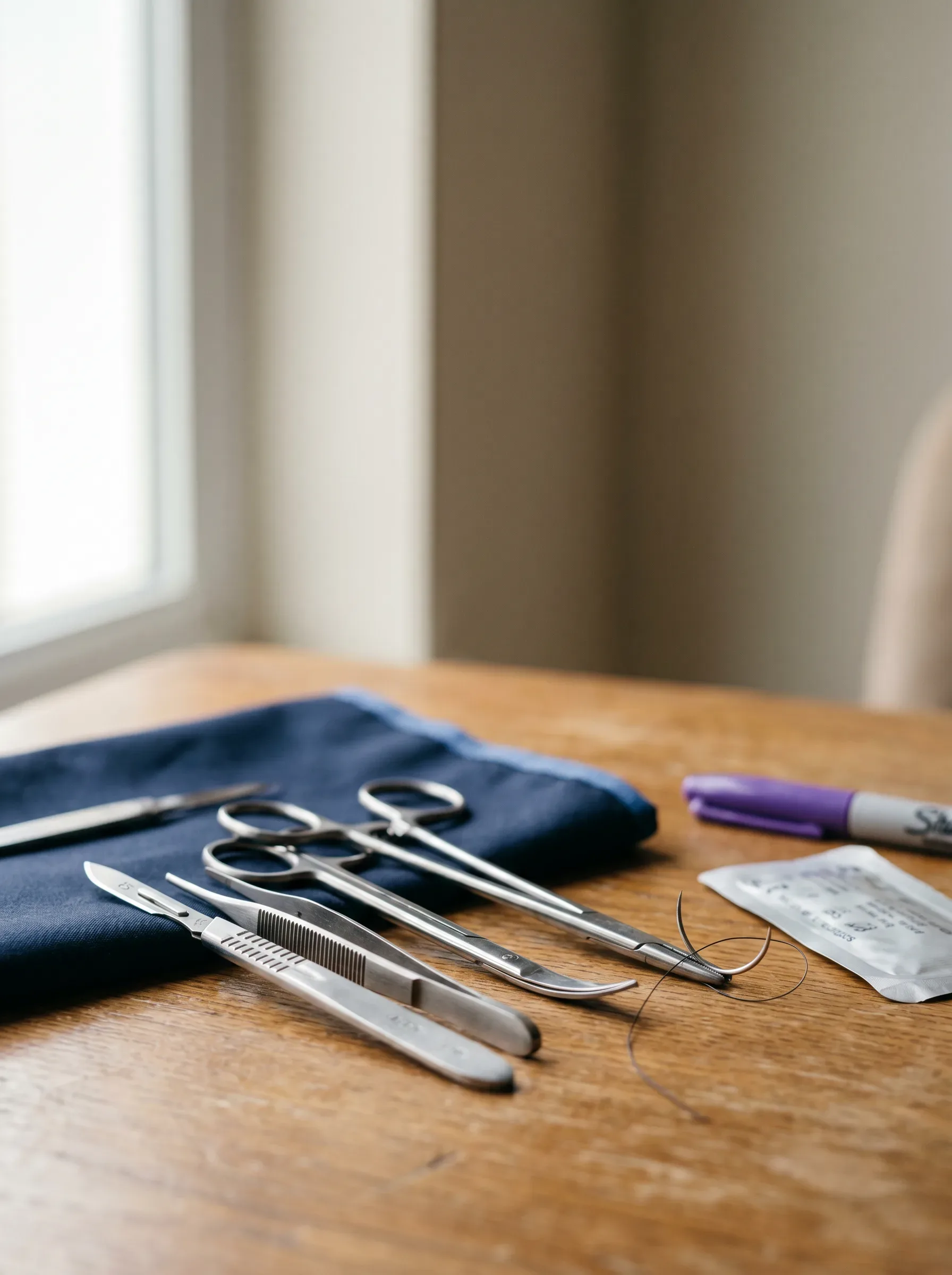
Most facial skin surgery is performed under local anaesthesia in one of our purpose designed surgical procedure rooms, with a protective dressing applied over the sutures (stitches) afterwards. Intravenous sedation (twilight anaesthesia) is offered for larger lesions, longer reconstructive cases, or for patients who are particularly anxious, and adds a deeply relaxed and drowsy state on top of the local anaesthetic. General anaesthesia (complete anaesthesia) at an affiliated Auckland hospital, with a specialist anaesthetist, is usually reserved for the most complex post-Mohs reconstructions or extensive non-melanoma skin cancer surgery. At consultation we will recommend the modality that suits your case.

How long is recovery, and how much time off work will I need?

Most patients return to desk-based work within 1 to 3 days after skin surgery. The protective dressing is kept dry and intact initially, and sutures (stitches) usually come out at 5 to 7 days for facial work, or 10 to 14 days for the scalp and body. Vigorous exercise can usually resume around 2 weeks once the wound has settled. The scar continues to mature over the following 6 to 12 months, gradually softening and paling from an initial pink raised appearance to a fine pale line. Sun protection (SPF50 and a hat) during this maturation window is the single most important factor in the final scar outcome, alongside gentle massage from around week 3.

Will the lesion be biopsied after removal?

Yes. Skin lesions that have been removed are sent for analysis under a microscope by a pathologist, and you will be given the results at your follow up appointment. This applies to moles (naevi), cysts, suspicious or changing lesions, and any non-melanoma skin cancer excision, so that both the histopathological diagnosis and the clearance of the surgical margins can be confirmed. Where the pathology identifies an incompletely excised lesion or a more aggressive subtype, further treatment options will be discussed at the follow up and a revised plan agreed. We will also write to your GP or dermatologist with the pathology result where they have referred you.

Will the scar be visible long-term?

All skin surgery leaves some scar, although careful planning can make a significant difference to the final appearance. Incisions are placed along the natural skin tension lines wherever possible, layered closure is used to minimise wound tension during healing, and sun protection during the 12-month maturation phase is critical to avoid post- inflammatory pigmentation. Most facial scars settle to a fine pale line by 12 months, although individual healing varies with skin type, lesion location and the size of the original defect. Scar revision (excision and re-closure, Z-plasty, or serial excision in selected cases) can be considered if the mature result is unsatisfactory, usually no earlier than 12 months after the original surgery.

START THE CONVERSATION

Three pathways to skin surgery care

DIRECT

Request an appointment

Online form. Our admin team will respond within one working day.

Request appointment

CLINICIANS

Refer a patient

For GPs, dermatologists and specialists. Secure referral portal with imaging and pathology upload.

Refer a patient

SPEAK DIRECTLY

Call (09) 477 0058

Mon to Fri, 8:00am to 5:00pm. Reception will route your call to the right person.

Call (09) 477 0058