FACIAL SURGERY

Facial trauma & reconstructive surgery in Auckland

Facial trauma can follow sporting accidents, falls or assaults and can involve damage to the facial soft tissues or fracture of the facial bones. These injuries require the expertise of a maxillofacial surgeon to ensure optimal healing and cosmetic outcomes. If not treated properly these injuries can cause significant facial deformity.

OMS Specialists surgeon performing facial trauma reconstruction in theatre

Quick answer about this procedure

QUICK ANSWER

Facial surgery covers reconstruction of facial trauma (soft tissue and bone), cheekbone augmentation (malar augmentation), virtual surgical planning, salivary gland surgery, and revision of post-traumatic deformity. Most acute trauma goes through the public hospital system; private and revision cases are managed at OMS Specialists.

Procedure types
5 procedures
Anaesthesia
Local · Sedation · General (varies by case)
Duration
60 min – 4 hrs
Stay
Day-stay or 1–2 nights
Recovery
1–6 weeks, depending on complexity

CONDITIONS WE TREAT

Facial conditions we surgically manage

  • Facial trauma and fractures

    • Fractures of the cheekbone, orbit, nose and jaw
    • Soft-tissue lacerations of the face requiring layered repair
    • Trauma to teeth and the surrounding bone
  • Post-traumatic deformity and revision

    • Revision of poorly healed facial fractures
    • Soft tissue re-suspension and fat grafting following trauma
    • Scar revision following facial injury or prior surgery
  • Aesthetic and reconstructive

    • Cheekbone augmentation (malar augmentation)
    • Virtual Surgical Planning (VSP) for complex reconstruction
    • Salivary gland surgery (submandibular and parotid)

OUR APPROACH

Hospital-grade facial expertise, private and revision pathways

Both Richard and Ryan are highly experienced in the management of facial trauma reconstruction and manage large volumes of these cases within the public sector every week.

Whilst most of this trauma is managed through the Emergency Department and the public Maxillofacial Surgery department, our surgeons are able to assess cases for treatment privately.

OMS Specialists are ideally positioned to correct post-traumatic deformity and provide revision surgery if it is required. This may be necessary when facial trauma was managed non-surgically or poorly elsewhere, and includes scar revision, soft tissue re-suspension, fat grafting and revision facial fracture management.

PROCEDURES

Five facial surgery procedures we perform

Each procedure has a dedicated page with detail on recovery, anaesthesia, cost pathways, and surgeon assignment.

PROCEDURE 01

Facial trauma surgery

Surgical management of facial fractures and soft-tissue injuries to the cheekbone, orbit, nose and jaw, performed acutely or as delayed revision. Most acute trauma is managed through the public hospital system; revision and private referrals come to OMS Specialists.

General (most cases) 60 min – 4 hrs
Read the full procedure
PROCEDURE 02

Cheekbone augmentation

Cheekbone augmentation (malar augmentation) reshapes the prominence of the cheekbone, either to correct asymmetry following trauma or growth abnormality, or for cosmetic reasons. The procedure can be performed using an implant, by repositioning the patient's own bone (osteotomy), or with fat grafting depending on what is appropriate for the case.

General 90–150 min
Read the full procedure
PROCEDURE 03

Virtual Surgical Planning (VSP)

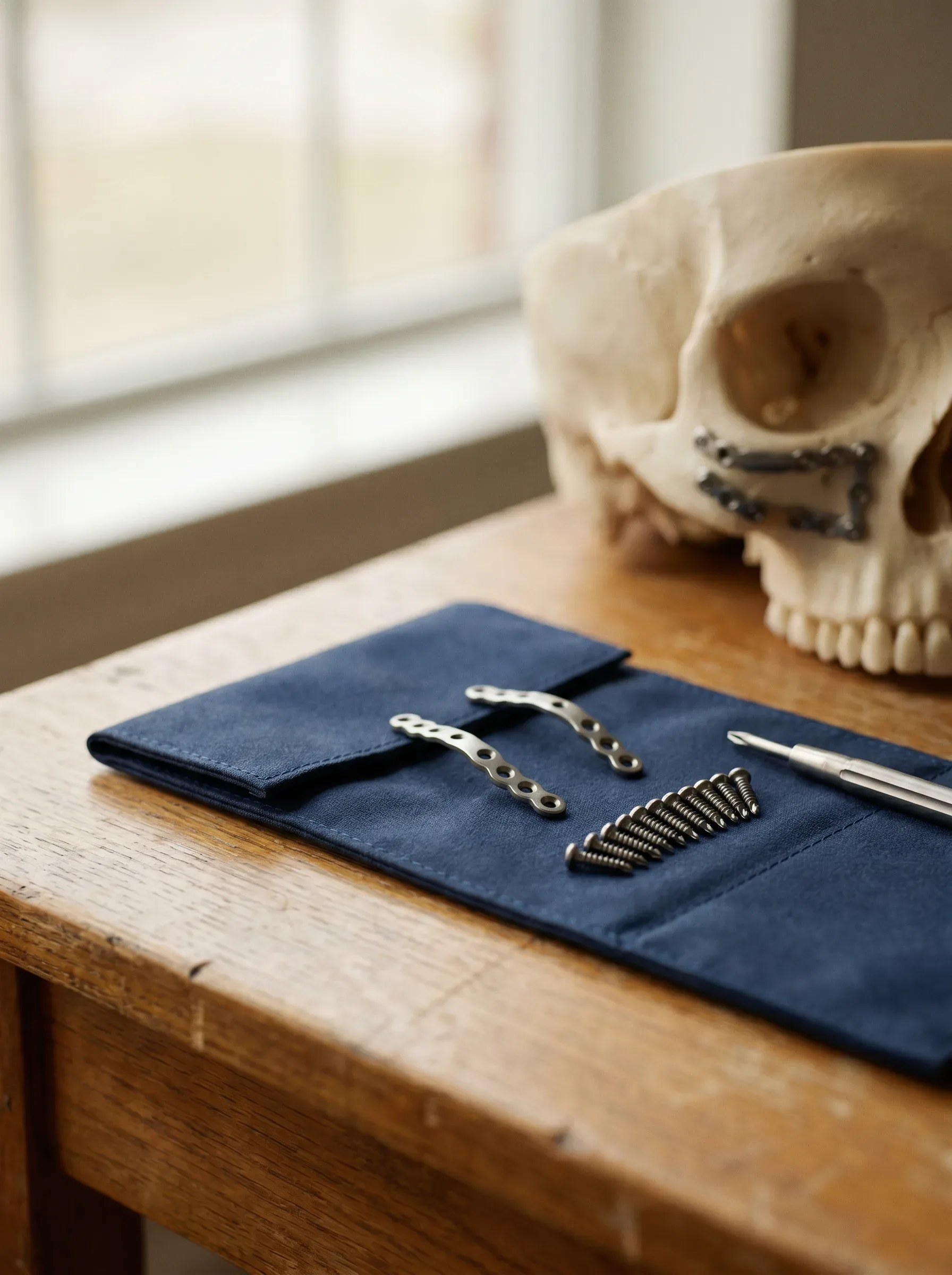
3D planning for complex facial reconstruction. CT data is processed in planning software to design osteotomies, custom surgical guides and patient-specific plates before surgery, which improves the accuracy and predictability of the result.

Planning is non-surgical Planning: 1–2 wks lead time
Read the full procedure
PROCEDURE 04

Salivary gland surgery

Surgical management of conditions affecting the parotid and submandibular glands, including stone removal, ductal surgery, and excision of the gland for tumour or recurrent infection.

General (most cases) 60–180 min
Read the full procedure
YOUR SURGEONS

Three specialist surgeons across the practice

Each surgeon carries dual qualifications (BDS + MBChB or MBBS) plus Fellowship from the Royal Australasian or English College.

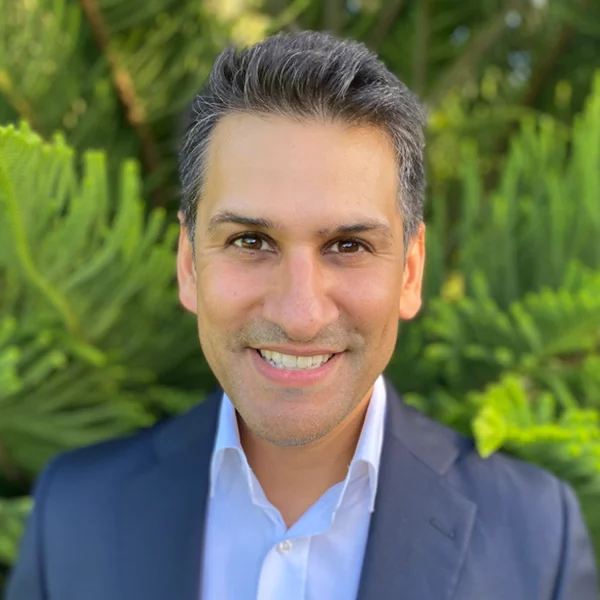
Mr Richard Cobb, Specialist Oral and Maxillofacial Surgeon

Mr Richard Cobb

Specialist Oral & Maxillofacial Surgeon

BDS · MBBS · MFDS(Eng) · MRCS(Eng) · DHMSA · FRCS(OMFS)

  • Oral Surgery
  • Jaw Surgery
  • Facial Surgery
  • Skin Surgery
View full profile
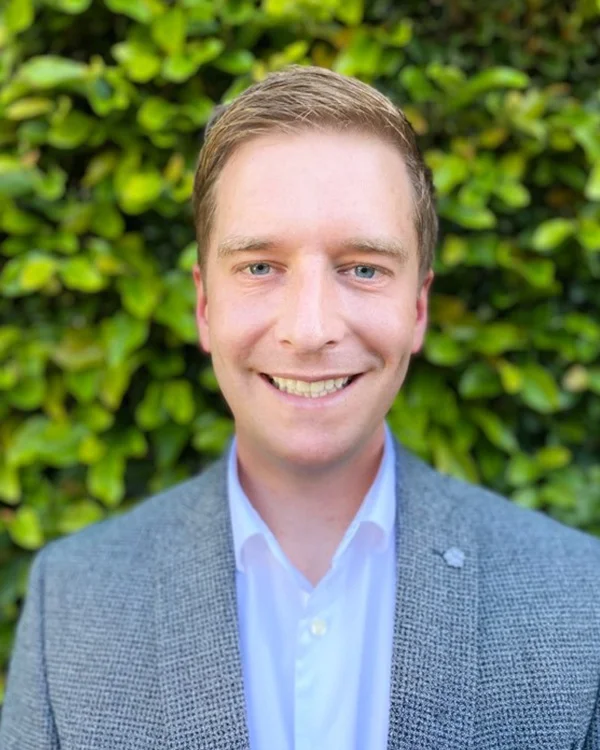
Mr Ryan Smit, Specialist Oral and Maxillofacial Surgeon

Mr Ryan Smit

Specialist Oral & Maxillofacial Surgeon

BDS · MBChB · MRACDS(PDS) · FRACDS(OMS)

  • Oral Surgery
  • Jaw Surgery
  • Facial Surgery
  • Skin Surgery
View full profile
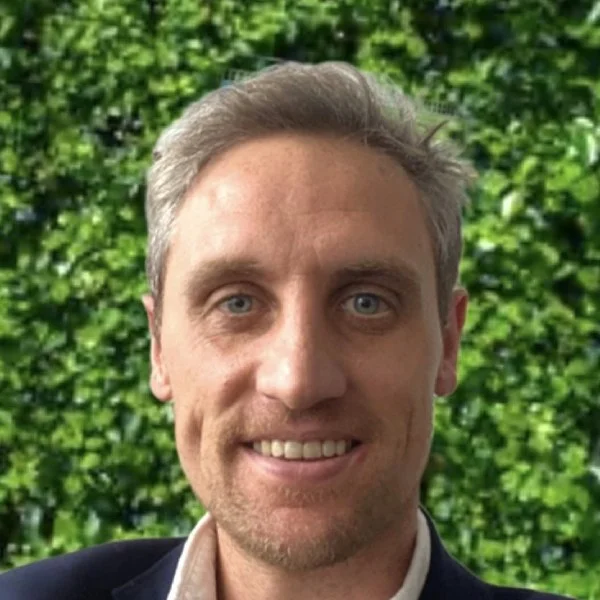
Mr Simon Roberts, Specialist Oral and Maxillofacial Surgeon

Mr Simon Roberts

Specialist Oral & Maxillofacial Surgeon

MBBS · BDS · FRCS(OMFS)

  • Oral Surgery
  • Jaw Surgery
  • Facial Surgery
  • Skin Surgery
View full profile

RECOVERY TIMELINE

What recovery usually looks like after facial surgery

Recovery varies considerably by procedure. Simple soft-tissue revision usually recovers in 1 to 2 weeks, whereas complex fracture reconstruction and salivary surgery take longer to settle.

  • 0–1 week

    Day 1–7

    Significant swelling and bruising, peaking around day 2 to 3 before settling. Soft diet, sleeping with the head elevated, and where orbital or sinus work has been performed, nose-blowing is avoided.

    Red flags · Vision changes, difficulty breathing, persistent vomiting, or fever over 38.5°C. Contact us immediately or attend ED.

  • 8–21 days

    Week 2–3

    Swelling continues to reduce, and a return to desk-based work is usually possible. Contact sport and heavy lifting are still avoided.

  • 4–6 weeks

    Week 4–6

    Most patients return to normal activity. Numbness around surgical sites continues to recover and bone fractures consolidate.

  • 3+ months

    Month 3+

    Bone healing is usually complete. Soft-tissue oedema continues to resolve over 6 to 12 months. The final outcome is reviewed and revision can be considered where required.

FREQUENTLY ASKED

Questions facial surgery patients ask in NZ

Common questions patients ask before booking facial surgery in New Zealand.

How much does facial surgery cost in New Zealand?

Costs depend significantly on the complexity of the surgery, hospital theatre time, the length of any inpatient stay, and specialist anaesthetist time. Elective and revision cases vary widely. As an indication, cheekbone augmentation (malar augmentation) typically ranges NZ$8,000 to $15,000, salivary gland surgery NZ$10,000 to $20,000 including hospital, and complex post- traumatic revision is quoted on a case-by-case basis. Virtual Surgical Planning (VSP), where used, is included in the surgical estimate. At your consultation a full written estimate will be provided covering surgeon, anaesthetist, hospital and follow up.

Do I need a referral, or can I book directly?

You can make a self-referral for a non-urgent facial surgery consultation, and a GP or dentist referral is not required to make an appointment. Acute facial trauma (such as a fracture, significant laceration, or dental injury from an accident) should be assessed through the Emergency Department first, where the public Maxillofacial Surgery team will see you on-call. For revision of older injuries, post-traumatic deformity and elective cases, referrals from GPs, dentists, dermatologists and other specialists are welcomed, and help our surgeons prepare with relevant imaging (CT, OPG, or clinical photographs) ahead of your appointment.

Can my GP or dentist do this, or do I need a specialist?

Facial surgery, particularly fracture management, salivary gland surgery, and complex reconstruction (including post-Mohs reconstruction and post-traumatic revision) sits within the specialist oral and maxillofacial surgeon scope. The surgery itself requires dual qualification in dentistry and medicine, and is delivered in a hospital theatre with a specialist anaesthetist. Both Mr Richard Cobb and Mr Ryan Smit are highly experienced in facial trauma reconstruction and manage large volumes of these cases within the public sector every week at Auckland City Hospital and Middlemore. GPs and dentists usually triage and refer for assessment, and we will write back to your referring clinician with the plan.

What anaesthetic will I have: local, sedation, or general?

Most facial fracture reconstruction, complex salivary gland surgery and major facial reconstruction is performed under general anaesthesia (complete anaesthesia) at an affiliated Auckland hospital, with a specialist anaesthetist, and may be delivered as a day-stay or with a 1 to 2 night admission depending on the case. Smaller revision and soft-tissue work, such as scar revision following facial injury or limited local-flap repair, may be performed under intravenous sedation (twilight anaesthesia) or local anaesthesia in our purpose designed surgical procedure rooms. The anaesthetic plan, fasting and recovery arrangements are confirmed at your pre-operative review.

How long is recovery, and how much time off work will I need?

Simple soft-tissue revisions usually recover in 1 to 2 weeks. Fracture reconstruction typically requires 3 to 6 weeks off work depending on your role and the bones involved, and salivary gland surgery is usually 2 to 3 weeks. Facial swelling and bruising peak around day 2 to 3 before settling, a soft diet is generally advised for the first week or two, and where orbital or sinus work has been performed nose- blowing is avoided. Contact sport and heavy lifting are avoided for at least 6 weeks following any bone surgery, while soft-tissue oedema can continue to resolve over 6 to 12 months. A specific recovery plan, post-operative instructions and a medical certificate will be provided.

Should I go to ED first, or call OMS directly for facial trauma?

For acute facial trauma (such as suspected facial fractures, significant lacerations, dental injury from an accident, or any concern about airway, vision or significant bleeding) please attend the Emergency Department first. The public Maxillofacial Surgery team will assess you on-call and coordinate any imaging required. Call OMS Specialists directly when the trauma is older and you were seen elsewhere and now need revision, when you are unsure whether further surgery is required, or for non-urgent assessment of post-traumatic deformity, scar revision, or soft tissue re-suspension following a previous facial injury.

Is virtual surgical planning available in New Zealand?

Yes. OMS Specialists uses 3D Virtual Surgical Planning (VSP) for complex corrective jaw surgery (orthognathic), facial reconstruction and trauma revision cases. CT data is processed in planning software, the osteotomies are designed digitally, and custom surgical guides and patient-specific plates are produced before theatre, so the surgery is effectively rehearsed virtually first. This usually requires a 1 to 2 week lead time between planning and surgery. Used in appropriately selected cases, VSP improves the accuracy and predictability of the result and reduces theatre time. At your consultation we will discuss whether VSP is indicated for your case.

START THE CONVERSATION

Three pathways to facial surgery care

DIRECT

Request an appointment

Online form. Our admin team will respond within one working day. For acute trauma, please attend ED first.

Request appointment

CLINICIANS

Refer a patient

For GPs, dentists and specialists. Secure referral portal with imaging upload.

Refer a patient

SPEAK DIRECTLY

Call (09) 477 0058

Mon to Fri, 8:00am to 5:00pm. Reception will route your call to the right person.

Call (09) 477 0058