
ORAL SURGERY
Wisdom Teeth Removal in Auckland
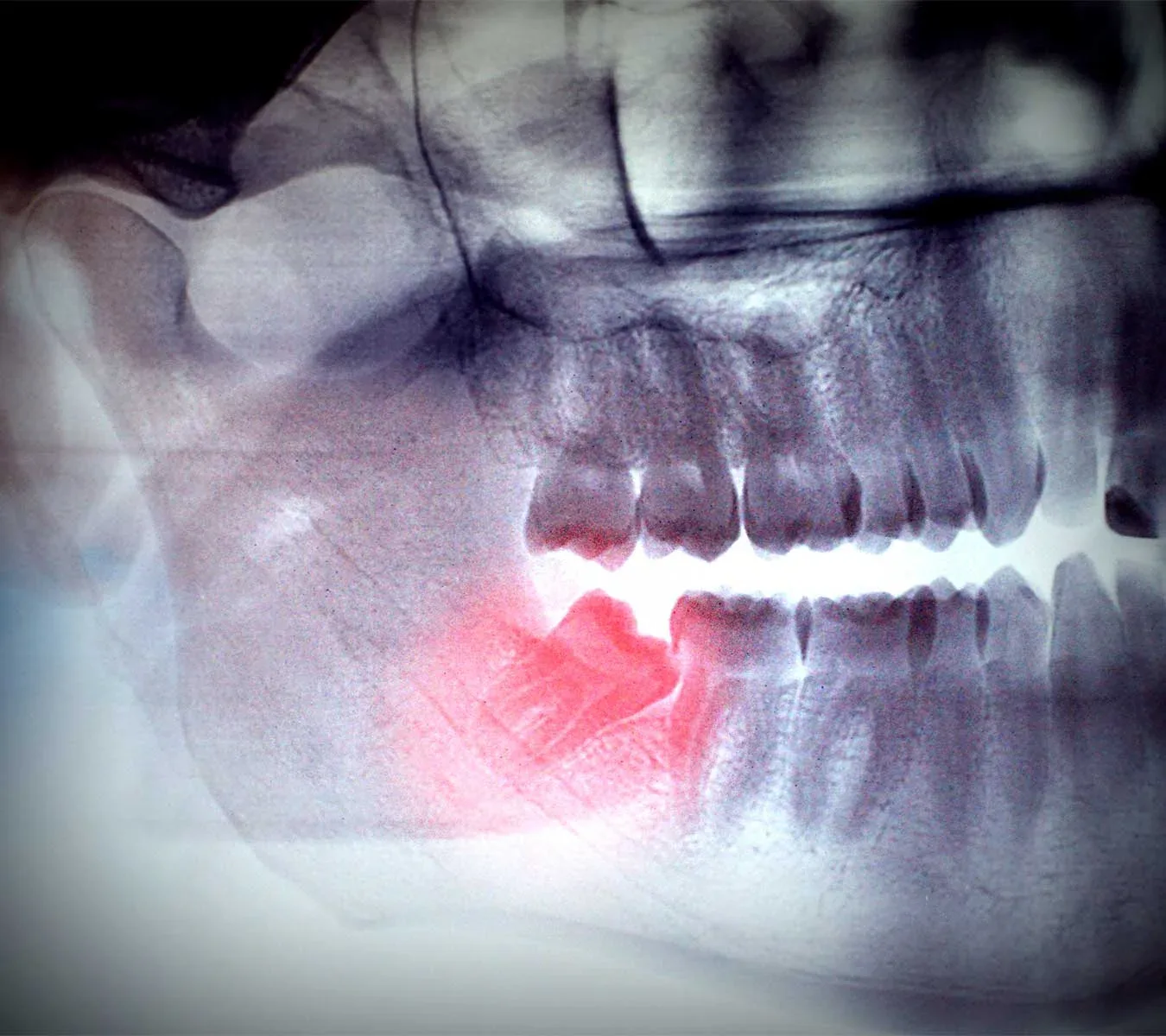
Wisdom teeth (third molars) often have limited room to erupt and become impacted in the jawbone, which can cause infection, decay or pain. Their removal is complex because the teeth sit close to the nerve that supplies feeling to the lower lip and chin. OMS Specialists is a private surgical practice in Newmarket, Auckland. We perform wisdom tooth surgery under local anaesthesia, intravenous sedation, or general anaesthesia, all in-house at our Auckland Day Surgery Centre.
WHAT IT IS
What is wisdom tooth surgery?
Wisdom teeth are the third and final set of molars at the back of the mouth, usually erupting between ages 17 and 25. When there isn't enough room in the jaw, they become impacted: stuck against the second molar, the bone, or the gum tissue. Surgery is the controlled removal of those teeth.
Simple, fully erupted wisdom teeth can often be removed by a general dentist. Where a wisdom tooth is impacted within the jawbone, particularly the lower jaw where it sits close to the inferior alveolar nerve, the procedure becomes a surgical case for Oral and Maxillofacial Surgeons.
At OMS Specialists, all three surgeons hold qualifications in both dentistry (BDS) and medicine (MBChB or MBBS), with Fellowship from the Royal College of Surgeons (FRCS) or Australasian College of Dental Surgeons (FRACDS).
QUICK ANSWER
What to expect from wisdom tooth surgery at OMS Specialists
- Procedure
- Surgical removal of impacted third molars
- Anaesthesia
- Local · IV sedation · GA, all in-house at Auckland Day Surgery Centre
- Duration
- 30–60 minutes (varies by complexity)
- Stay
- Day-stay
- Recovery
- 7 to 10 days to full activity
- Cost
- Usually covered by NZ health insurance · written quote at consultation
Anatomy
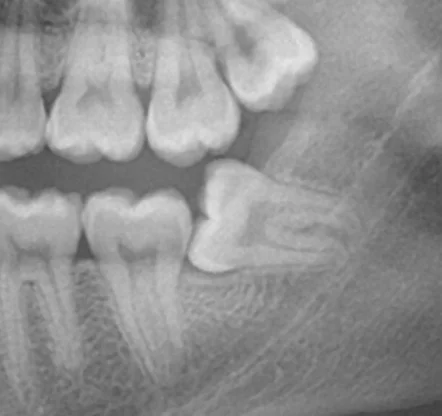
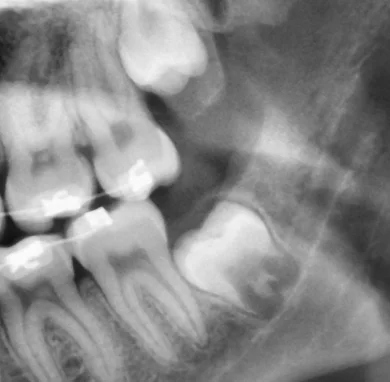
Four common ways wisdom teeth become impacted
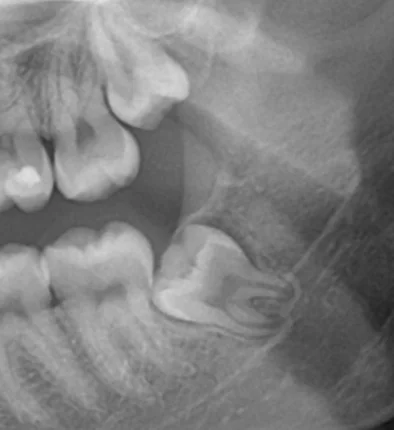
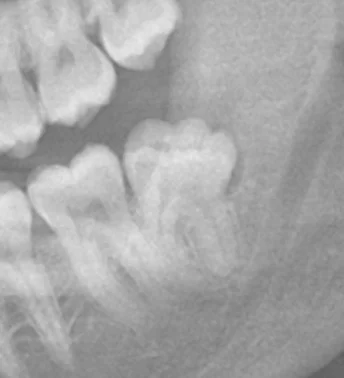
Wisdom teeth become impacted in four common ways: mesioangular, distoangular, horizontal, and vertical. Each angle changes the surgical approach we take.
- Mesioangular
- Distoangular
- Horizontal
- Vertical
COMMON SIGNS
Signs you may need wisdom tooth surgery
Not all wisdom teeth need to be removed. If they're healthy and have enough room to grow, they can often be left alone. Surgery may be recommended if you have:
-
An impacted wisdom tooth
The tooth is trapped beneath the gums or in the jaw.
-
Repeated gum infections
Pain, swelling, or infection around a partially erupted wisdom tooth.
-
Tooth decay
Decay affecting the wisdom tooth or the neighbouring tooth.
-
A cyst or lesion
Occasionally, a wisdom tooth can be associated with a cyst or other problem.
-
A tooth close to an important nerve
This requires careful assessment and specialist treatment.
-
A damaged wisdom tooth
A tooth that has been chipped or injured may need to be removed.
Your surgery
Step by step at OMS Specialists, Newmarket
Most wisdom tooth surgery is day-stay. Here is what happens from the day you walk in until the moment you head home.
- 01 Before
Consultation and imaging
You meet your surgeon, we review your symptoms and dental history, and we look at imaging that shows the tooth’s exact position.
- OPG panoramic X-ray, and a CBCT 3D scan if the tooth is close to the nerve
- Anaesthesia: local, IV sedation, or GA (fully asleep), carefully discussed between you and your surgeon to choose the most appropriate option for your case
- A written cost estimate and prior approval from your insurer, so there are no surprises on the day
- 02 During
The surgical removal
Minimally invasive technique. Most cases, even four impactions under IV sedation, take 30 to 60 minutes.
- Small incisions to access the tooth, with the gum gently lifted
- Where needed, the tooth is sectioned to remove it safely without disturbing surrounding bone or nerve
- Platelet-rich fibrin (PRF) from your own blood is placed in the socket to reduce pain, infection and dry socket
- 03 After
Recovery starts the same day
You head home the same day with everything you need for the first 48 hours.
- A take-home pack: ice packs, gauze, prescribed analgesia, written instructions, and our after-hours number
- A friend or family member drives you home if you had sedation or GA
- A review appointment within 48 to 72 hours to check healing
Anaesthesia
Anaesthesia options
Your surgeon will help you choose the most suitable anaesthetic based on your procedure, medical history, and personal preference. All procedures are performed at our Auckland Day Surgery Centre in Newmarket.
-
Local anaesthetic
You'll be awake while the area is numbed with an injection.
- Best for
- Simple wisdom tooth removal
- Cost
- Lowest tier
-
IV sedation (twilight sedation)
Awake but deeply relaxed. Most patients have no memory of the procedure. You will need someone to drive you home.
- Best for
- Multiple teeth, impacted wisdom teeth, or dental anxiety
- Cost
- Mid-tier, plus sedation team fee
-
General anaesthetic
You'll be fully asleep while your wisdom teeth are removed.
- Best for
- Complex cases, multiple teeth, or patients who are very anxious or have specific medical needs
- Cost
- Highest tier, theatre plus GA team
Risks
Risks we discuss before consent
All surgery carries risk. The rates below are drawn from our own practice where available, and from published international audits where not.
Common, low severity
Dry socket (alveolar osteitis)
2 to 3%
The blood clot dislodges from the socket, exposing bone. Painful around day 3 to 5. Treated with a medicated dressing.
Our use of platelet-rich fibrin (PRF) is associated with lower rates than the published international average of 5 to 10%.
Temporary altered sensation, lower jaw
3 to 5%
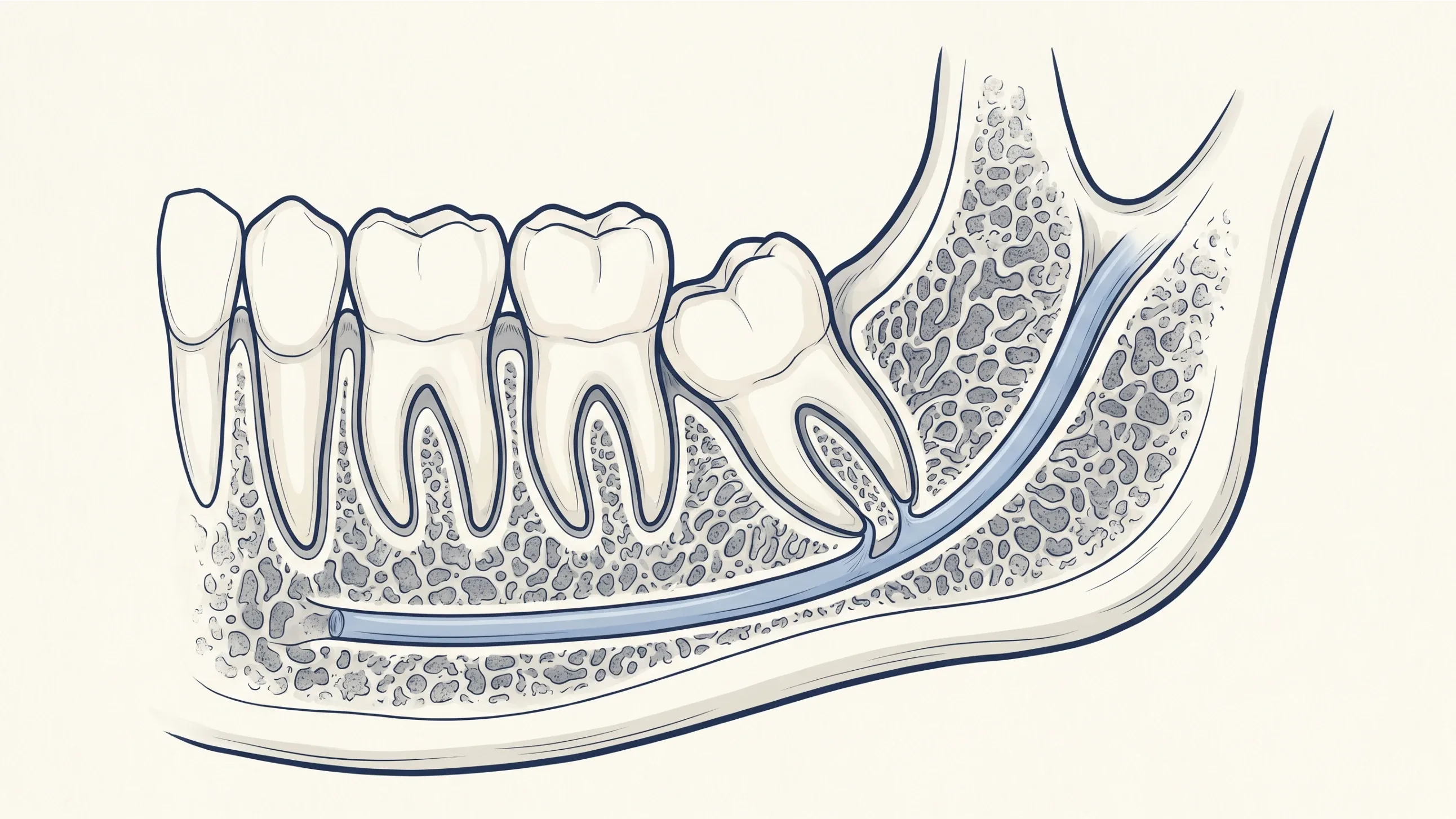
Tingling or numbness of the lower lip and chin from temporary bruising of the inferior alveolar nerve. Usually resolves within weeks to months.
Pre-operative CBCT 3D imaging lets us plan around the nerve before the first incision.
Swelling and bruising
Expected
Peaks 48 to 72 hours after surgery, then resolves over 5 to 7 days. Cold compresses for the first 24 hours minimise it.
Rare, discussed in consent
Permanent altered sensation
1 to 2%
Rare. When the nerve runs directly through the tooth, a coronectomy that leaves the roots in place can be considered to avoid this risk entirely.
Wound infection
under 1% · international rate
Treated with antibiotics. We provide a course at discharge for higher-risk cases, such as multiple impactions or immunocompromised patients.
Sinus communication
Rare, upper teeth only
A small opening into the maxillary sinus during removal of upper wisdom teeth. Usually closes on its own with antibiotics; occasionally needs a small follow-up procedure.
Why we plan this way
Recovery
Recovery, day by day
Most patients return to desk-based work within 3 to 5 days, sport in 10 to 14 days, and full bone healing takes around 8 weeks.
- Day 0
Same day
Bleeding controlled with gauze. Anaesthetic wears off over 4 to 6 hours. Take pain relief before that happens.
- Day 1 to 3
Peak swelling
Swelling peaks at 48 to 72 hours. Bruising may appear. Soft diet and rest. Most discomfort responds to over-the-counter pain relief.
- Day 4 to 7
Back to desk work
Swelling fading. Most patients return to office work mid-week. Sutures dissolving; warm salt rinses after meals.
- Week 2 to 4
Back to sport
Return to full physical activity by week 2. Bone healing of the socket continues quietly for around 8 weeks. Review visit if needed.
Do
- Ice 20 minutes on, 20 minutes off for the first 24 hours
- Eat soft foods: yogurt, smoothies, scrambled eggs, mashed potato, soup
- Rinse with warm salt water from day 2, after every meal
- Take prescribed analgesia on schedule for the first 48 hours, not just when it hurts
- Sleep with your head elevated on an extra pillow for two nights
- Call us if anything feels off, we would rather hear from you
Don't
- Drink through a straw for 7 days, the suction can dislodge the clot
- Smoke or vape for at least 72 hours, and longer if you can. Doubles dry-socket risk
- Strenuous activity for 48 hours, heart-rate-up exercise can restart bleeding
- Poke the site with your tongue, fingers, or any utensil
- Skip prescribed antibiotics, finish the full course even if symptoms settle early
- Drink alcohol while on prescribed pain relief or antibiotics
Cost & insurance
What wisdom tooth surgery costs in Auckland
With NZ health insurance such as Southern Cross, nib, AIA or Accuro/Unimed, the cost of removing impacted wisdom teeth is usually included under your surgical cover. We arrange pre-approval with your insurer in advance. If you are self-paying, the fee depends on the complexity of your case.
What affects your cost
- How many teeth are removed
- Whether they are fully erupted or impacted
- Proximity to the inferior alveolar nerve
- Anaesthetic chosen: local, IV sedation, or general
What your quote includes
- Consultation
- CBCT imaging as needed
- Surgical fee
- Anaesthetic team
- All sutures and PRF
- Take-home pack
- Post-op review
You receive a written, itemised quote at your consultation. With insurance, pre-approval is confirmed before surgery, so there are no surprises on the day.
YOUR SURGEONS
Your surgeons
All three OMS Specialists surgeons hold qualifications in both dentistry (BDS) and medicine (MBChB or MBBS), with Fellowship from the Royal College of Surgeons (FRCS) or Australasian College of Dental Surgeons (FRACDS). Any of them can perform wisdom tooth surgery.

FAQ
Questions we hear from wisdom-tooth patients in Auckland
How much does wisdom teeth removal cost in Auckland?
With NZ health insurance, including Southern Cross, nib, AIA and Accuro/Unimed, impacted wisdom tooth removal usually falls under your surgical cover, and we arrange pre-approval with your insurer before surgery. If you are self-paying, the fee depends on how many teeth are removed, how deeply they are impacted, and the anaesthetic you choose. The written, itemised quote you receive at consultation is the final price.
Do I need a referral from my dentist or GP?
No referral is needed to request an appointment with OMS Specialists. Tell us a little about your situation and we will be in touch within one business day with available consult times. Dentists and GPs can also refer patients electronically via Healthlink or our online referral form, and we acknowledge every referral within 24 to 48 hours.
What's the difference between a general dentist and a specialist OMFS surgeon for wisdom teeth?
Simple, fully erupted wisdom teeth can often be removed by a general dentist. Where a wisdom tooth is impacted within the jawbone, particularly in the lower jaw where it sits close to the inferior alveolar nerve, the procedure becomes a surgical case for an Oral and Maxillofacial Surgeon. At OMS Specialists all three surgeons hold qualifications in both dentistry (BDS) and medicine (MBChB or MBBS), with Fellowship from the Royal College of Surgeons (FRCS) or Australasian College of Dental Surgeons (FRACDS).
Which anaesthesia is right for me, local, IV sedation, or general anaesthetic?
Local anaesthetic is a numbing injection at the site only, leaving you fully awake and able to drive yourself home, and is best for simple, fully-erupted single teeth. Intravenous sedation keeps you awake but deeply relaxed, with most patients having no memory of the procedure, and suits multiple teeth, impactions or dental anxiety; you will need someone to drive you home. General anaesthetic means you are fully asleep, performed in-house at our Auckland Day Surgery Centre with the same OMS Specialists surgeon, and is reserved for complex impactions, multiple teeth, medical reasons, or patients who are very young or very anxious. We guide you to the right option at consultation based on case complexity, anaesthetic preference and any medical considerations.
How long is recovery, and when can I return to work, study, or sport?
Most people are back at a desk within 3 to 5 days, back to sport within 10 to 14 days, and the socket fully heals over about 8 weeks. Swelling peaks around day 2 to 3 and settles across the first week. You go home with a recovery plan specific to your case, and a medical certificate for work or study where needed.
What are the actual risks, dry socket and nerve injury, and how often do they happen?
The two risks patients ask about most are dry socket, which occurs in around 2 to 3% of cases, and temporary numbness of the lower lip and chin, around 3 to 5%, which usually resolves over weeks to months. Permanent altered sensation is rare, around 1 to 2%. Our use of platelet-rich fibrin is associated with lower dry-socket rates than the published international average of 5 to 10%, CBCT imaging maps the nerve before surgery, and where a tooth wraps the nerve a coronectomy can avoid that risk entirely. Every risk is talked through before you consent.
Can I keep my wisdom teeth if they're not causing pain right now?
A wisdom tooth that is silent and well-positioned does not need removal, and a watchful approach is often reasonable. Removal is usually recommended when a tooth is impacted in the jawbone, causes recurrent gum infection (pericoronitis), leads to decay on itself or the second molar in front of it, shows a cyst or lesion on imaging, sits close to the inferior alveolar nerve, or has been damaged by trauma. At your consultation we assess your specific case using clinical examination and imaging, often an OPG or CBCT scan.
What happens if I do nothing?
If a problematic wisdom tooth is left in place, the issues that prompted the recommendation can continue or worsen. A partly-erupted tooth can cause recurrent infection of the overlying gum flap (pericoronitis) with pain, swelling and bad taste, which can result in a serious infection. An impacted wisdom tooth, if left, can damage the second molar in front of it through decay or resorption. An impacted tooth can also be associated with a cyst or lesion forming around it, which is rare but serious. We assess your specific case at consultation and talk through what monitoring versus removal looks like for you.
Will I be numb forever? How often does the nerve recover?
Temporary altered sensation, a tingling or numbness of the lower lip and chin, comes from temporary bruising of the inferior alveolar nerve and usually resolves within weeks to months. Permanent altered sensation is rare, around 1 to 2%. Where the nerve runs directly through the tooth, a coronectomy that leaves the roots in place can be considered to avoid this risk entirely. Pre-operative CBCT 3D imaging allows us to plan the procedure around the nerve before the first incision.
Can I have all four out at once?
Yes. Removing all four wisdom teeth in a single sitting is a common scenario, often with the upper teeth straightforward and the lower teeth impacted. Most cases, even four impactions under IV sedation, take 30 to 60 minutes. We discuss whether to remove all four at once or stage the surgery at your consultation, based on case complexity and your anaesthetic preference.
Can I have my wisdom teeth removed at OMS Specialists if I live outside Auckland?
Yes. OMS Specialists is a private surgical practice in Newmarket, Auckland, and we see patients who travel in for wisdom tooth surgery. No referral is needed to request an appointment, and most wisdom tooth surgery is day-stay, so you head home the same day. If you live outside Auckland, contact our rooms and our team will help plan your consultation and surgery around your travel.
Patient experience
Reviews from recent patients
OMS Specialists' patients share their experiences on Google, where reviews are independent and unedited. Read what recent patients say about their care, including wisdom-tooth procedures.
Read reviews on Google →Call us urgently if…
Concerns after surgery
Phone us early rather than late. The after-hours number is on the take-home pack.
(09) 477 0058- Bleeding that doesn’t stop after 10 minutes of firm pressure on a gauze pack
- Severe escalating pain not responding to prescribed pain relief
- Fever above 38°C
- Pus discharge or persistent bad taste three or more days after surgery
- Numbness in your lip or chin that doesn’t recover within 48 hours
- Significant facial swelling spreading down toward your neck
RELATED PROCEDURES
Other oral surgery we perform
-
ANAESTHESIA & SEDATION
Intravenous sedation (twilight anaesthesia)
Awake but deeply relaxed, the most-chosen option for wisdom tooth surgery. Detail on what IV sedation feels like and who it suits.
Learn about IV sedation -
ORAL SURGERY
Bone augmentation & grafting
Where the jaw bone needs reinforcement after extraction, most often planned alongside future dental implants.
Learn about bone grafting -
ORAL SURGERY
Surgical removal of teeth
When other teeth need specialist removal: broken roots, ankylosed teeth, teeth close to nerves.
Learn about surgical extractions
WAYS TO GET IN TOUCH
Starting the conversation
FOR PATIENTS
Request an appointment
No referral needed. Tell us a little about your situation and we'll be in touch within one business day with available consult times.
Request appointmentFOR DENTISTS & GPs
Refer a patient
Electronic referral via Healthlink or our online referral form. We acknowledge every referral within 24 to 48 hours.
Refer a patientBY PHONE
Call our rooms
Speak with our team during business hours. Best if you have a referral letter ready.
Call (09) 477 0058