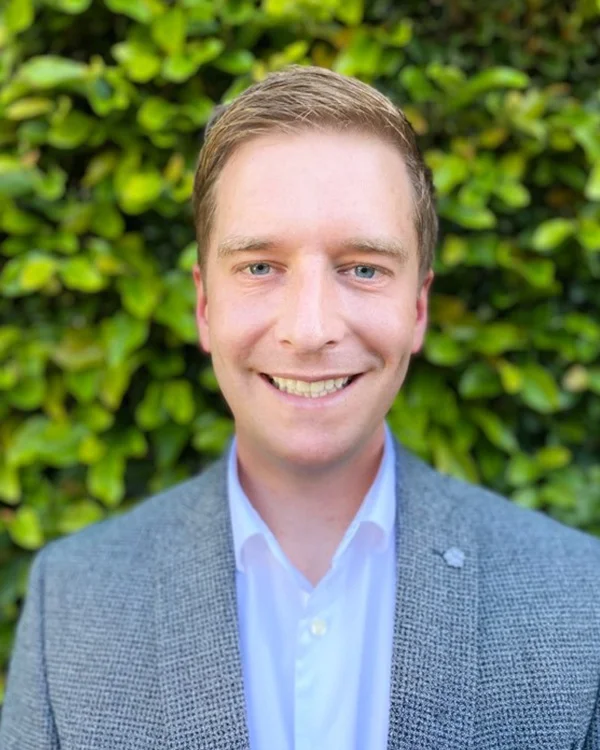
Mr Richard Cobb
Specialist Oral & Maxillofacial Surgeon
- Oral Surgery
- Jaw Surgery
- Facial Surgery
- Skin Surgery

A persistent lump, ulcer, or red or white patch in the mouth should always be assessed. If needed, our surgeons may take a small tissue sample (biopsy), which is examined under a microscope to help diagnose the condition and guide treatment.
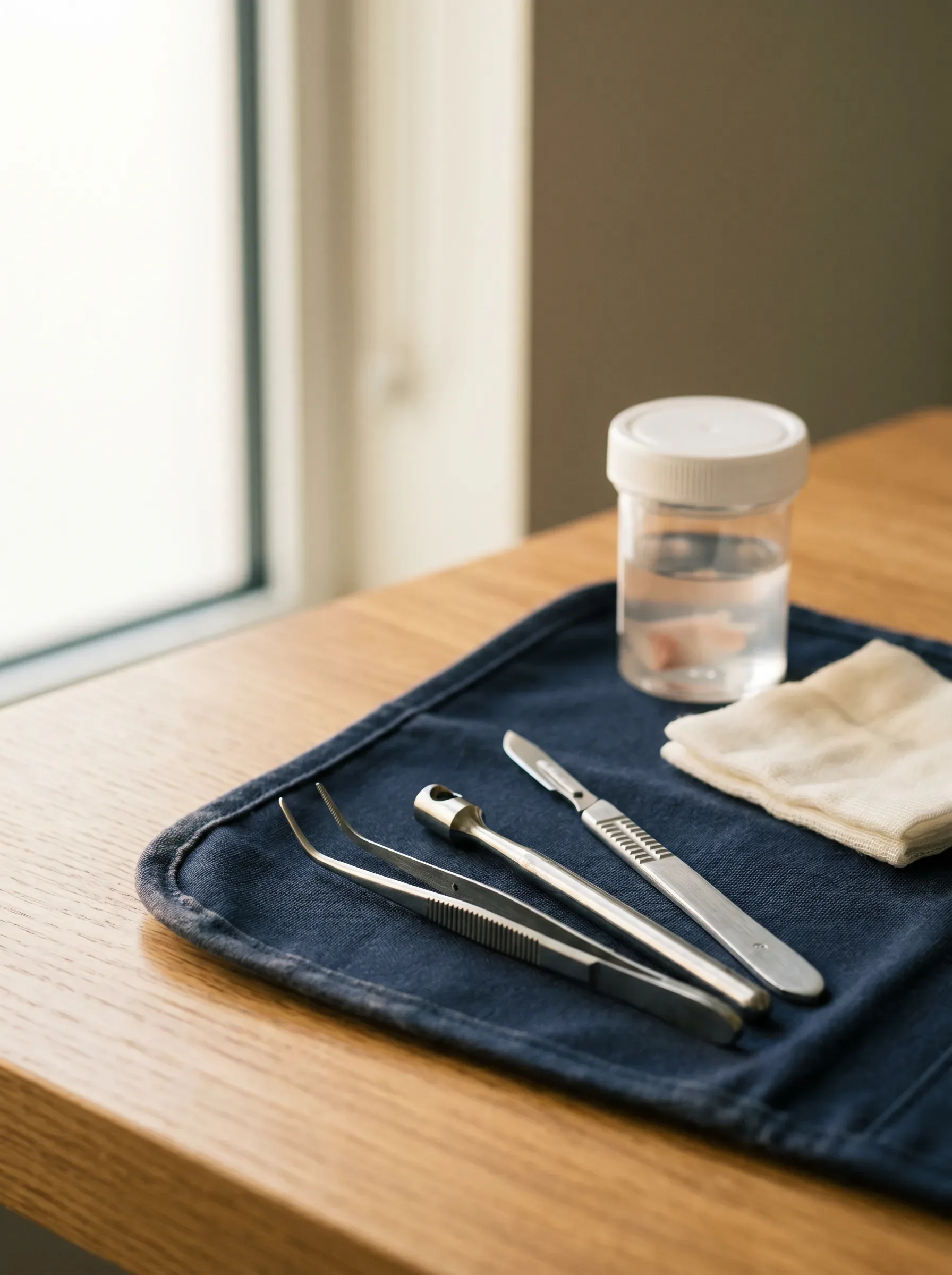
Excisional and incisional biopsies of suspicious lesions within the mouth. Tissue is sent for analysis under a microscope by a pathologist, and you will be given the results at your follow up appointment.
IS THIS FOR YOU?
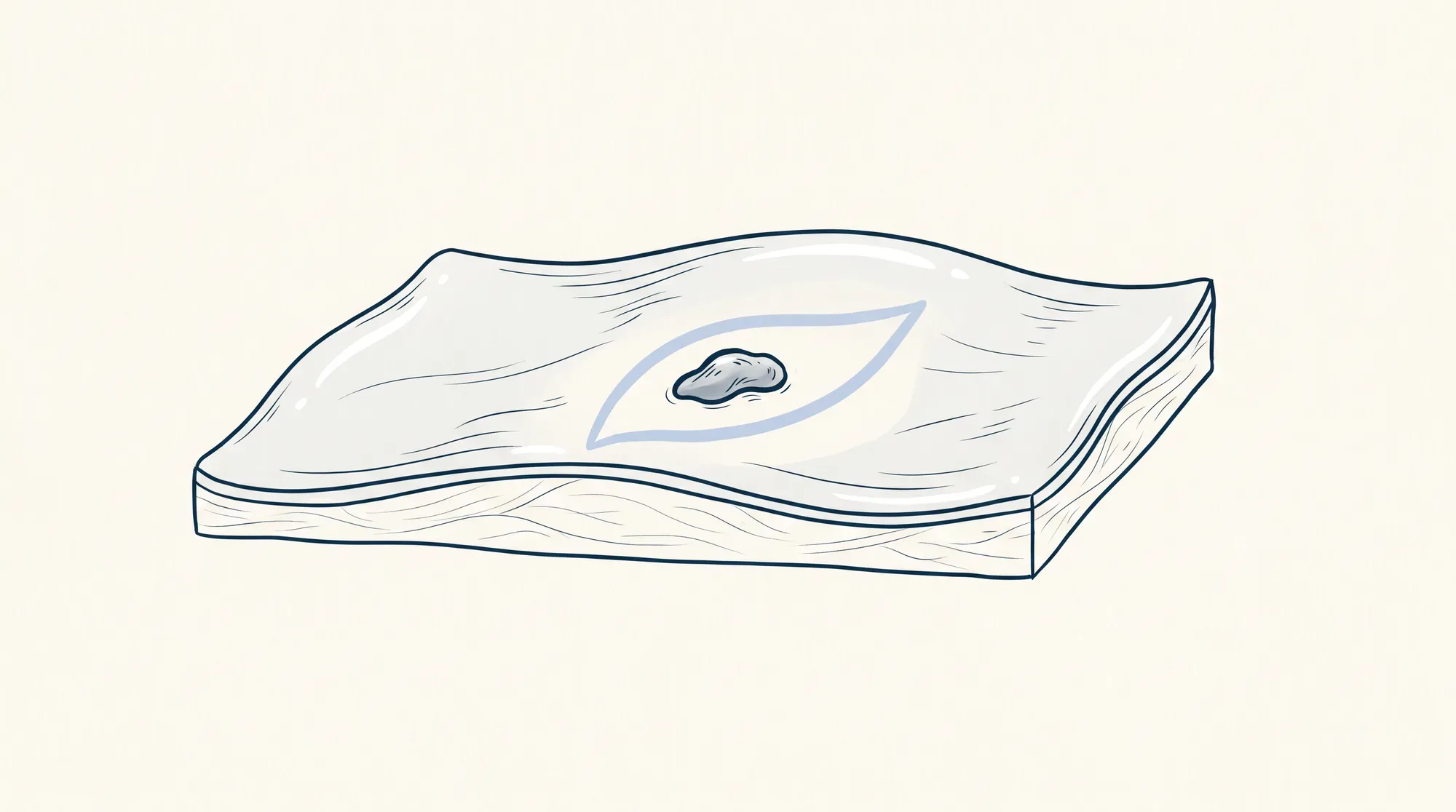
Understanding the anatomy
All three surgeons at OMS Specialists perform this procedure. Each holds dual qualifications in medicine and dentistry and is a Fellow of the Royal Australasian College of Dental Surgeons or the Royal College of Surgeons of England.
Specialist Oral & Maxillofacial Surgeon
Specialist Oral & Maxillofacial Surgeon

Specialist Oral & Maxillofacial Surgeon
RECOVERY TIMELINE
Local discomfort at the biopsy site that settles with simple analgesia. Soft diet, avoid the biopsy area when brushing, and rinse gently as instructed.
Heavy bleeding not slowed by gentle pressure, or rapid swelling.
The biopsy site heals over several days. Dissolvable sutures fall away. Most patients return to normal activity within 24 to 48 hours.
Histopathology results are usually available within 1 to 2 weeks and will be discussed at your follow-up appointment, with onward management planned where required.
| Phase | What to expect | When to contact us |
|---|---|---|
| First 24 hours | Local discomfort at the biopsy site that settles with simple analgesia. Soft diet, avoid the biopsy area when brushing, and rinse gently as instructed. | Heavy bleeding not slowed by gentle pressure, or rapid swelling. |
| Day 2–7 | The biopsy site heals over several days. Dissolvable sutures fall away. Most patients return to normal activity within 24 to 48 hours. | |
| Week 1–2 | Histopathology results are usually available within 1 to 2 weeks and will be discussed at your follow-up appointment, with onward management planned where required. |
RISKS & HONESTY
Some bleeding at the biopsy site is normal; firm pressure with gauze controls it. Bruising of the surrounding tissue may occur.
Local soreness for a few days is usual, particularly for biopsies on the tongue or floor of mouth. Altered taste at the site may occur transiently.
Infection of the biopsy site is uncommon and is treated with prescribed antibiotics where it occurs. Persistent swelling or fever warrants review.
Occasionally a repeat or larger biopsy is required if the initial sample is not diagnostic, particularly for very small or deep lesions.
FREQUENTLY ASKED
Most biopsies are performed under local anaesthesia in clinic. The surgeon numbs the area, removes a small sample of tissue (or, where appropriate, the whole lesion), and closes the site with dissolvable sutures. The tissue is sent to a pathologist for analysis under a microscope. The whole appointment usually takes 30 to 60 minutes including consent and aftercare instructions.
Histopathology results are usually available within 1 to 2 weeks and will be discussed with you at your follow-up appointment. Where the result requires urgent onward referral or treatment we will contact you sooner.
This depends entirely on the diagnosis. Many lesions are benign and require no further treatment. Where the biopsy identifies a lesion needing definitive excision, ongoing surveillance, or referral to another specialist, we will coordinate that pathway with you and with your dentist or GP.
Many general dentists are comfortable with simple excisional biopsies of straightforward lesions. Referral to an oral and maxillofacial surgeon is appropriate when the lesion is difficult to access, of uncertain diagnosis, near vital structures, or when malignancy needs to be excluded with definitive surgical management.
RELATED PROCEDURES
DIRECT
Online form. Our admin team will respond within one working day.
Request appointmentCLINICIANS
For GPs, dentists and specialists. Secure referral portal with imaging upload.
Refer a patientSPEAK DIRECTLY
Mon to Fri, 8:00am to 5:00pm. Reception will route your call to the right person.
Call (09) 477 0058