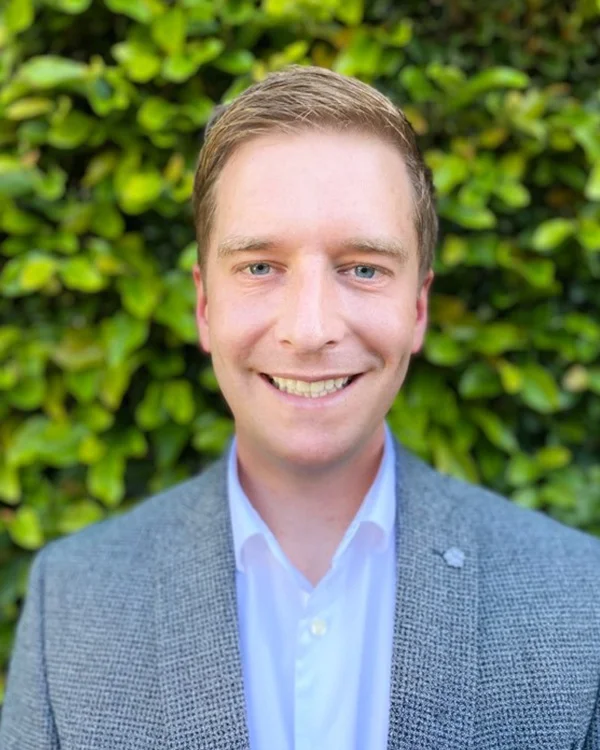
Mr Richard Cobb
Specialist Oral & Maxillofacial Surgeon
- Oral Surgery
- Jaw Surgery
- Facial Surgery
- Skin Surgery

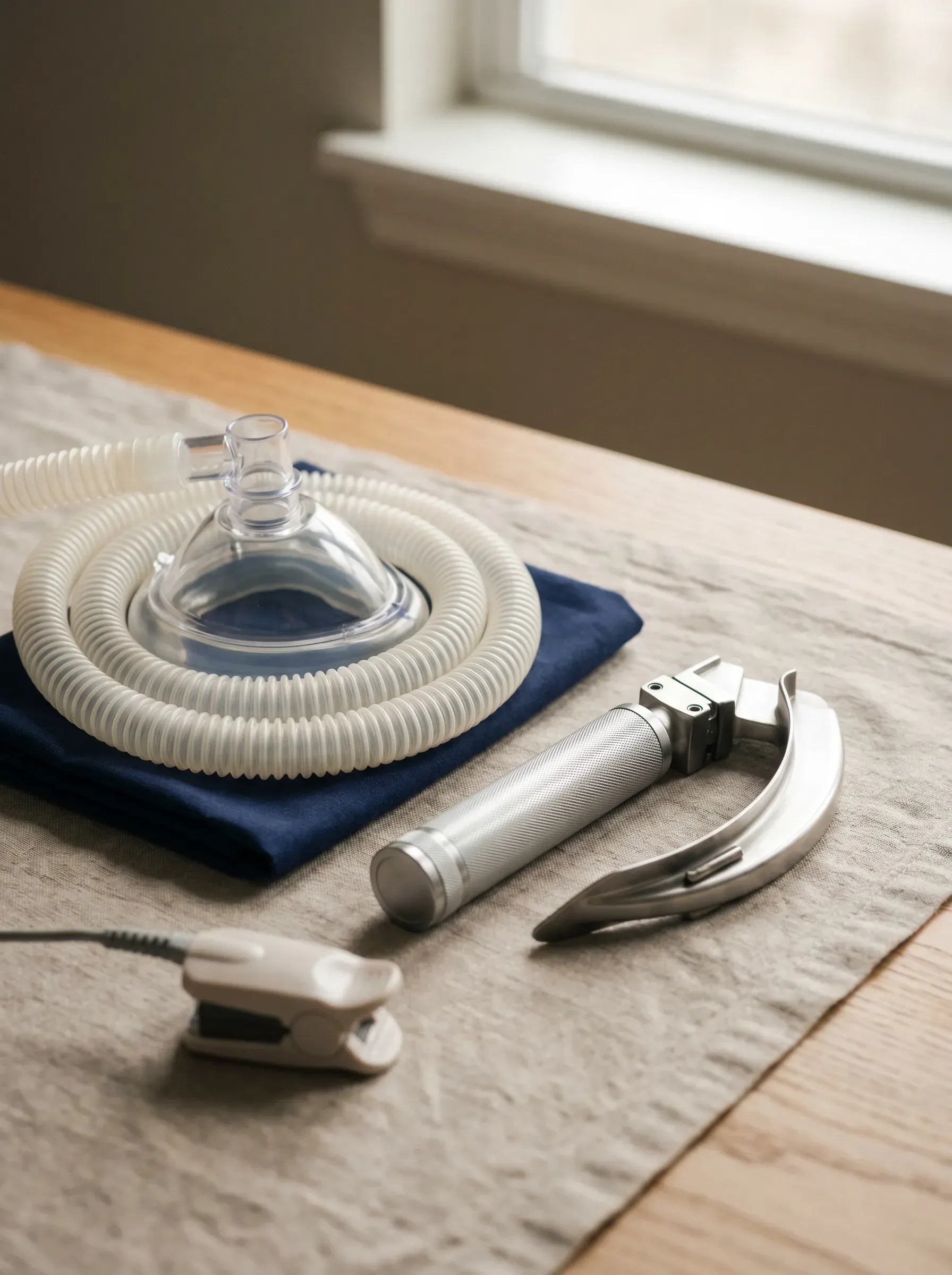
OMS Specialists are experts in providing sedation, using medications given into a vein to manage patients during minor surgery. Close monitoring throughout the procedure is maintained using the most modern equipment and highest safety standards.
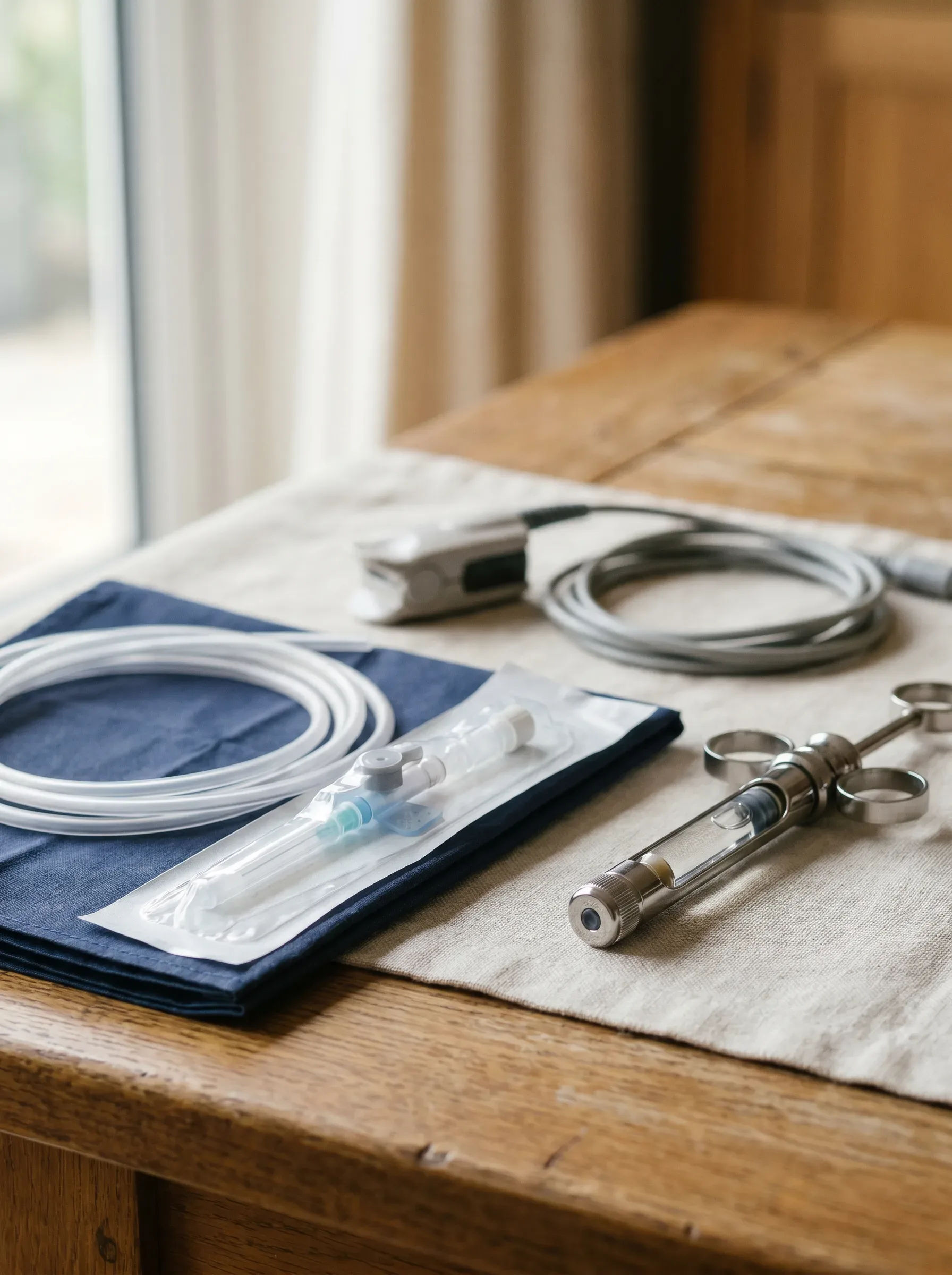
Intravenous sedation (often called "twilight anaesthesia") delivers medication into a vein that leaves you deeply relaxed and drowsy, with little or no memory of the procedure afterwards. Local anaesthesia is given alongside to ensure no pain during treatment.
IS THIS FOR YOU?
Understanding the anatomy
All three surgeons at OMS Specialists perform this procedure. Each holds dual qualifications in medicine and dentistry and is a Fellow of the Royal Australasian College of Dental Surgeons or the Royal College of Surgeons of England.
Specialist Oral & Maxillofacial Surgeon
Specialist Oral & Maxillofacial Surgeon

Specialist Oral & Maxillofacial Surgeon
RECOVERY TIMELINE
Drowsiness and mild grogginess for several hours. Due to the nature of intravenous sedation you will need an escort to take you to and pick you up from surgery.
Persistent confusion, severe bleeding, or any concerning symptoms. Call us or seek urgent review.
No driving, alcohol, or important decisions for 24 hours. A responsible adult should stay with you overnight.
Most patients feel fully back to normal by the day after the procedure. Surgical-site recovery follows the timeline of the underlying procedure.
| Phase | What to expect | When to contact us |
|---|---|---|
| Day of procedure | Drowsiness and mild grogginess for several hours. Due to the nature of intravenous sedation you will need an escort to take you to and pick you up from surgery. | Persistent confusion, severe bleeding, or any concerning symptoms. Call us or seek urgent review. |
| Next 24 hours | No driving, alcohol, or important decisions for 24 hours. A responsible adult should stay with you overnight. | |
| Day 2 onwards | Most patients feel fully back to normal by the day after the procedure. Surgical-site recovery follows the timeline of the underlying procedure. |
RISKS & HONESTY
IV sedation can transiently lower blood pressure and slow breathing. Close monitoring throughout the procedure is maintained using the most modern equipment and highest safety standards.
Expected effect for several hours after the procedure. No driving, alcohol or important decisions for 24 hours.
One of the effects of the medication is amnesia which means a loss of memory for the period of sedation. This is part of the intended effect for most patients.
Your full medical history, current medications and any allergies are reviewed pre-operatively to plan the safest regimen.
FREQUENTLY ASKED
The patient is not fully asleep and is able to talk if they would like, however they generally feel sleepy, relaxed and happy. One of the effects of the medication is amnesia which means a loss of memory for the period of sedation. Whilst sedated, local anaesthetic is also given (injections into the mouth) to make sure that there is no pain from the treatment.
Due to the nature of intravenous sedation you will need an escort to take you to and pick you up from surgery. The medication impairs reaction time and judgement for several hours afterwards, so driving, returning to work, important decisions and alcohol are all unsafe in the first 24 hours.
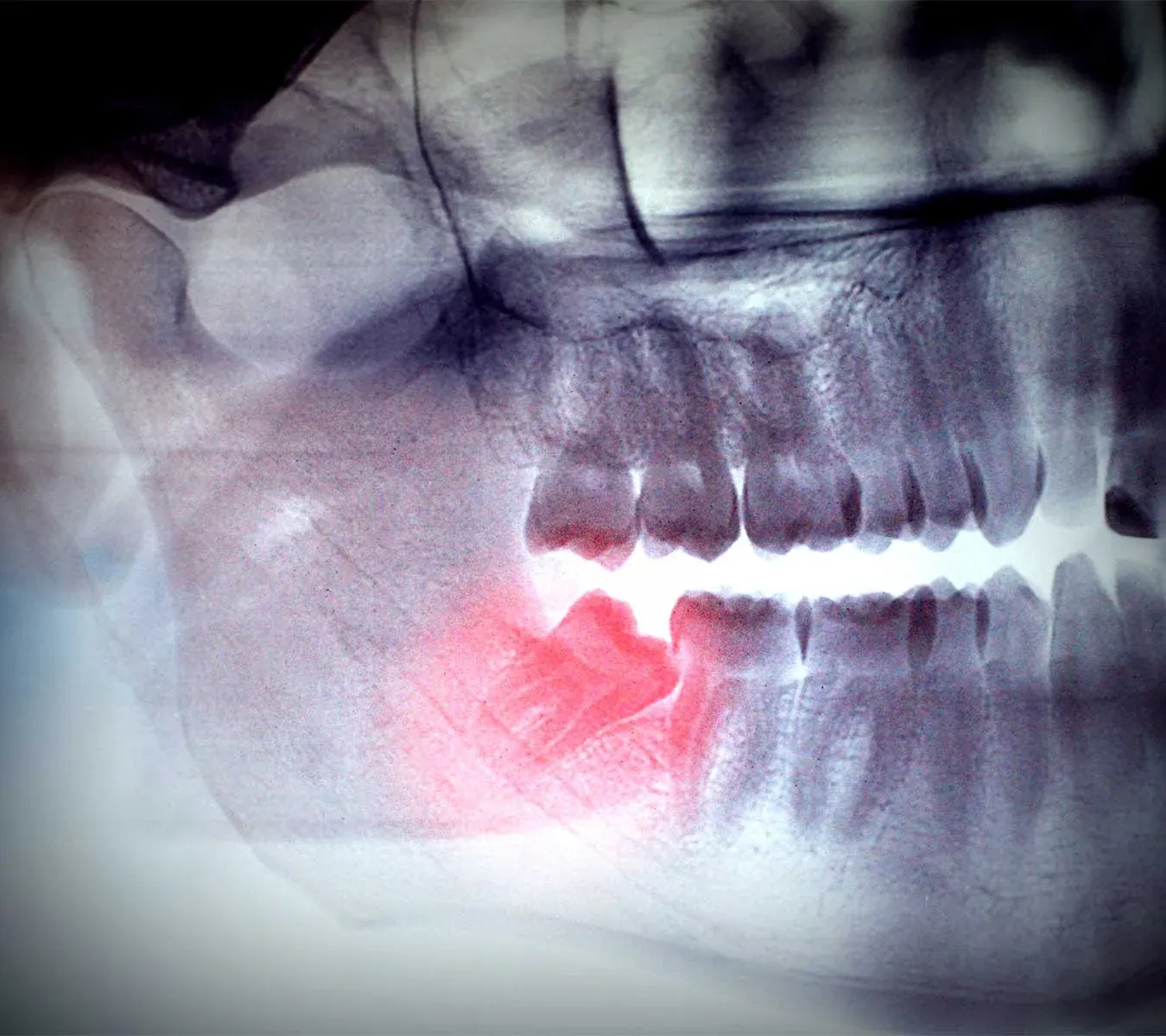
Our surgeons perform cases under sedation on a daily basis. Common procedures suited to IV sedation include wisdom tooth surgery, complex surgical extractions, oral biopsies, dental implant placement, and bone grafting where the volume of graft is moderate. General anaesthesia is reserved for more complex procedures, longer cases, or for patients who are particularly anxious.
Yes, fasting instructions are provided at your pre-operative appointment. Typically this is 6 hours for solids and 2 hours for clear fluids before the procedure. Your full medical history and current medications are reviewed at the pre-operative appointment.
RELATED PROCEDURES
DIRECT
Online form. Our admin team will respond within one working day.
Request appointmentCLINICIANS
For GPs, dentists and specialists. Secure referral portal with imaging upload.
Refer a patientSPEAK DIRECTLY
Mon to Fri, 8:00am to 5:00pm. Reception will route your call to the right person.
Call (09) 477 0058