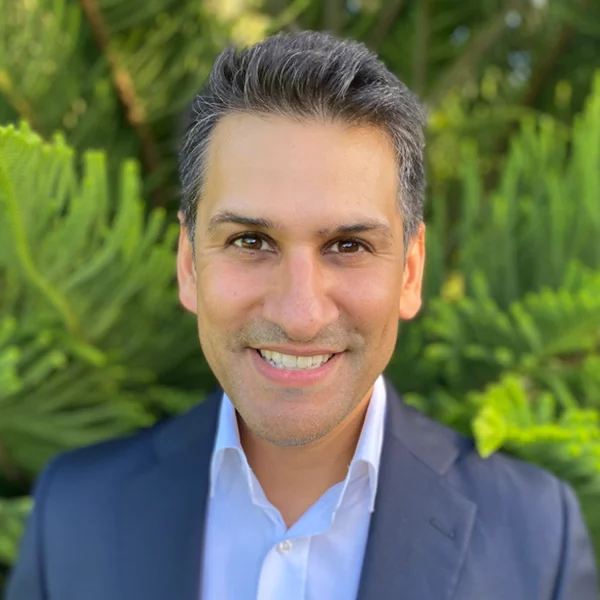
Mr Richard Cobb
Specialist Oral & Maxillofacial Surgeon
- Oral Surgery
- Jaw Surgery
- Facial Surgery
- Skin Surgery

Unfortunately New Zealand has among the highest international rates of facial skin cancer due to our increased exposure to UV radiation. The most common forms of skin cancer are Basal Cell Carcinoma (BCC) and Squamous Cell Carcinoma (SCC) which are usually curable with surgical excision.
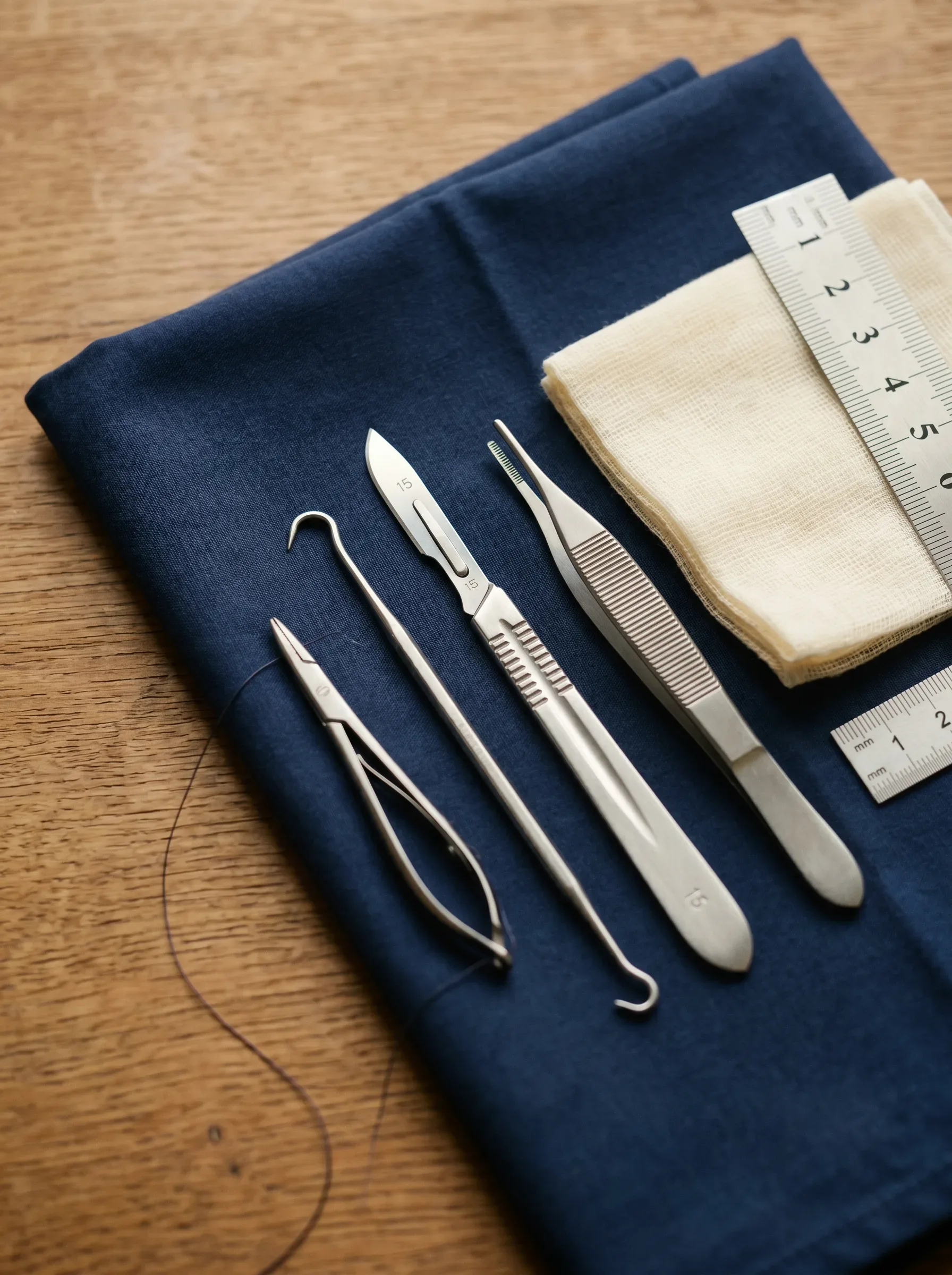
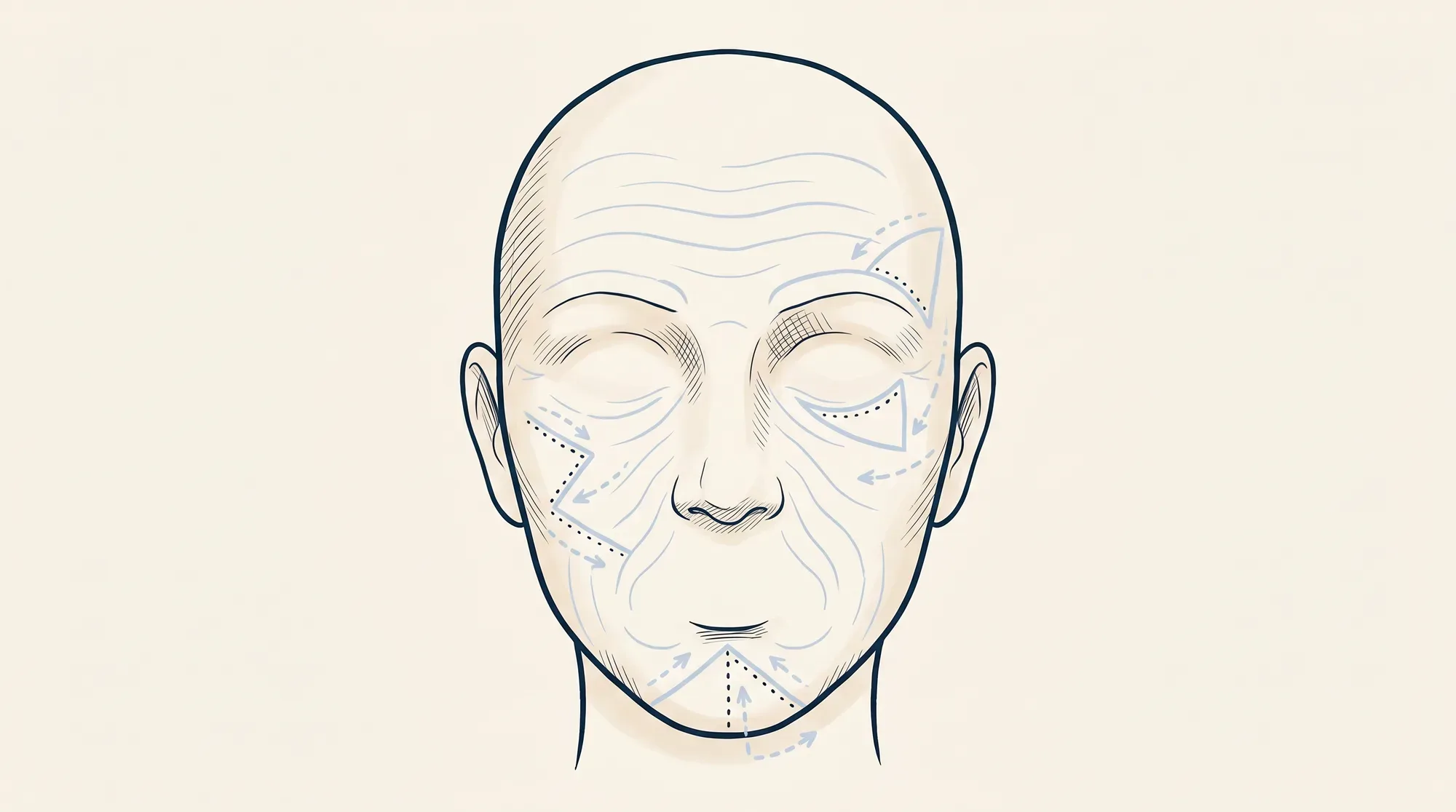
Surgical excision and aesthetic reconstruction of non-melanoma skin cancers of the face, principally Basal Cell Carcinoma and Squamous Cell Carcinoma. As maxillofacial surgeons trained in facial plastic surgical techniques, our surgeons provide a broad range of reconstructive options including local skin flaps and skin grafts.
IS THIS FOR YOU?
Understanding the anatomy
All three surgeons at OMS Specialists perform this procedure. Each holds dual qualifications in medicine and dentistry and is a Fellow of the Royal Australasian College of Dental Surgeons or the Royal College of Surgeons of England.
Specialist Oral & Maxillofacial Surgeon
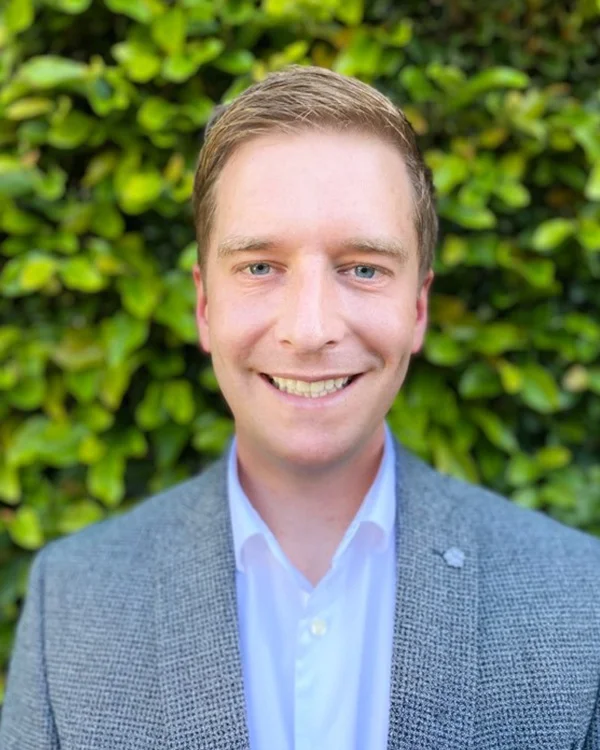
Specialist Oral & Maxillofacial Surgeon
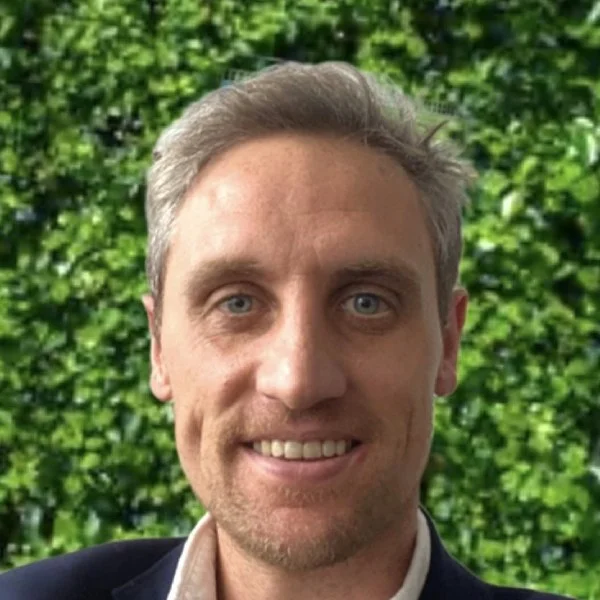
Specialist Oral & Maxillofacial Surgeon
RECOVERY TIMELINE
Local discomfort, dressings to the surgical site, and simple analgesia. Day-stay procedure for most cases.
Heavy bleeding, fever over 38°C, or severe pain not relieved by prescribed medication.
Sutures are removed at 7 to 14 days depending on site. Histopathology with margin assessment is usually available within 1 to 2 weeks.
Scar maturation over 6 to 12 months. Annual skin checks and coordination with your dermatologist are advised.
| Phase | What to expect | When to contact us |
|---|---|---|
| First 24–48 hours | Local discomfort, dressings to the surgical site, and simple analgesia. Day-stay procedure for most cases. | Heavy bleeding, fever over 38°C, or severe pain not relieved by prescribed medication. |
| Day 7–14 | Sutures are removed at 7 to 14 days depending on site. Histopathology with margin assessment is usually available within 1 to 2 weeks. | |
| Month 6–12 | Scar maturation over 6 to 12 months. Annual skin checks and coordination with your dermatologist are advised. |
RISKS & HONESTY
Histopathology confirms whether margins are clear. Incomplete margins may require further surgery, and recurrence can occur years later, hence the need for ongoing skin surveillance.
All excision leaves a scar. We use facial plastic surgical techniques including local skin flaps and skin grafts to optimise the result, but final appearance varies with site and individual healing.
Numbness around the surgical site is common in the early weeks and usually recovers over months.
Surgery on or near functional structures (eyelid, lip, nostril) may transiently alter function. Careful reconstruction minimises this risk.
FREQUENTLY ASKED
Our surgeons are specifically trained in the management of skin cancer of the face, with an emphasis on aesthetic reconstruction. As maxillofacial surgeons trained in facial plastic surgical techniques, they also provide a broad range of reconstructive options which may involve local skin flaps or skin grafts. For lesions in cosmetically sensitive subunits (nose, eyelid, lip, ear), the reconstructive technique materially affects the final aesthetic result.
Yes. Patients who have had one NMSC are at increased risk of further skin cancers. Annual skin checks with your GP or dermatologist, regular self-examination, and rigorous sun protection are all important. We coordinate the surveillance pathway with your dermatologist.
Scar maturation continues over 6 to 12 months and most scars continue to soften well beyond a year. Where the final result is not as desired, scar revision can be considered once the scar has fully matured.
RELATED PROCEDURES
DIRECT
Online form. Our admin team will respond within one working day.
Request appointmentCLINICIANS
For GPs, dentists and specialists. Secure referral portal with imaging upload.
Refer a patientSPEAK DIRECTLY
Mon to Fri, 8:00am to 5:00pm. Reception will route your call to the right person.
Call (09) 477 0058