Mr Richard Cobb
Specialist Oral & Maxillofacial Surgeon
- Oral Surgery
- Jaw Surgery
- Facial Surgery
- Skin Surgery

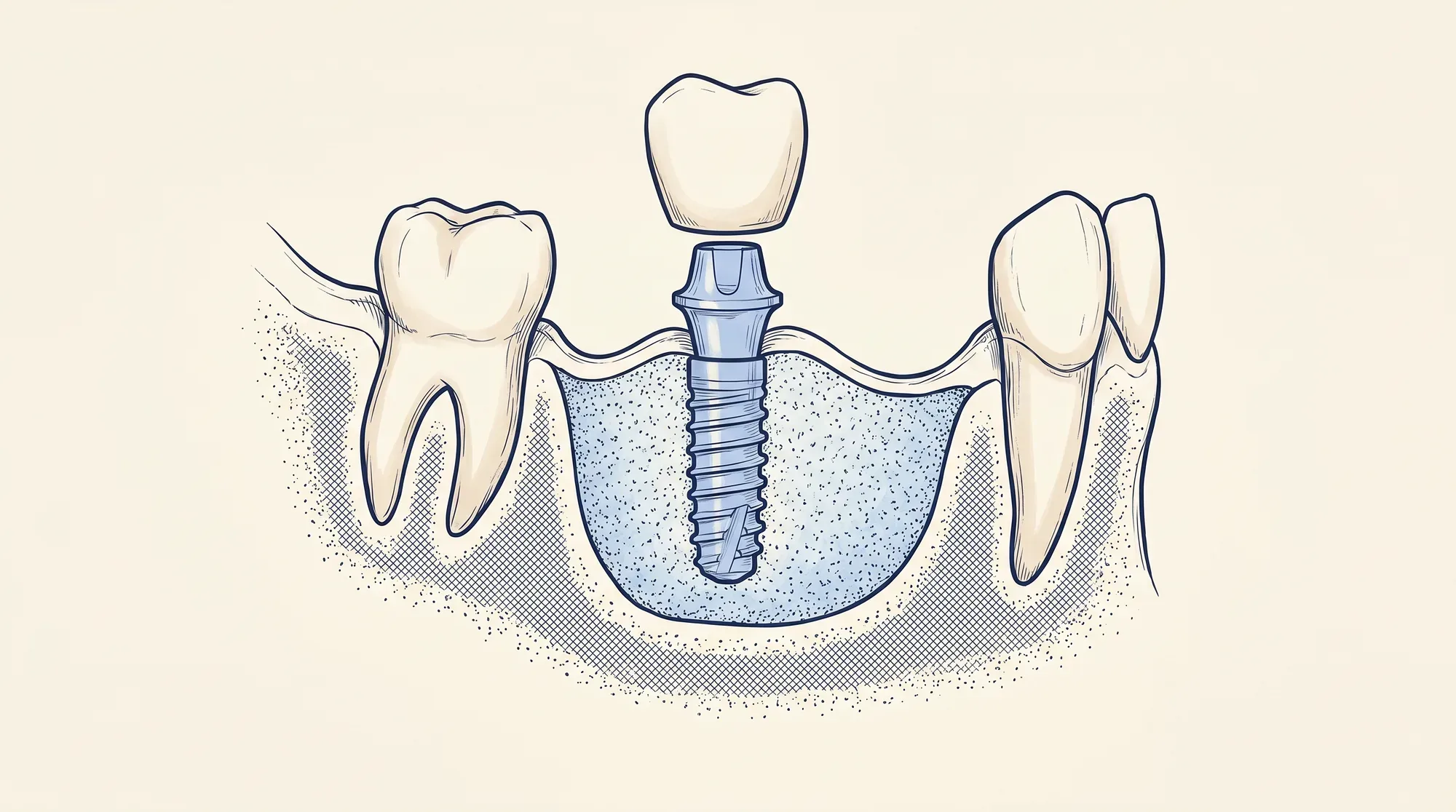
Sometimes it is necessary to build or create new bone in the jaws to support dental implants. Bone grafting can involve harvesting your own bone (from the jaws, or occasionally the hip), or the use of synthetic materials to help build up the jawbone in preparation for dental implants.
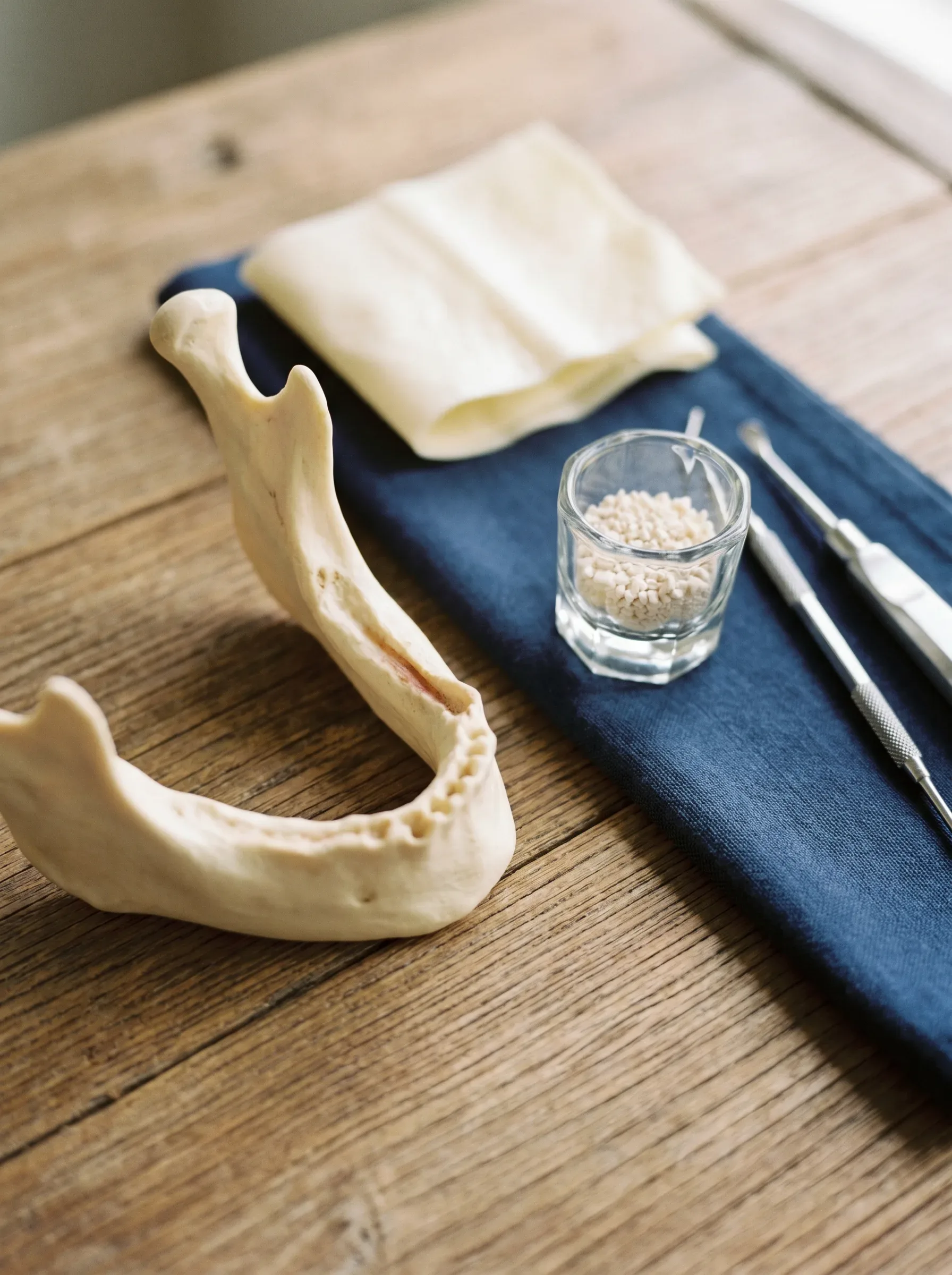
Surgical procedures to build up bone volume before, or at the time of, dental implant placement. Autogenous (your own), allograft or synthetic graft material is selected based on your case, with the goal of providing a stable foundation for future implants.
IS THIS FOR YOU?
Understanding the anatomy
All three surgeons at OMS Specialists perform this procedure. Each holds dual qualifications in medicine and dentistry and is a Fellow of the Royal Australasian College of Dental Surgeons or the Royal College of Surgeons of England.
Specialist Oral & Maxillofacial Surgeon

Specialist Oral & Maxillofacial Surgeon

Specialist Oral & Maxillofacial Surgeon
RECOVERY TIMELINE
Day-stay procedure for most cases. Rest with the head elevated, soft diet, ice to the cheek and prescribed pain medication. Avoid rinsing the mouth vigorously to protect the graft site.
Heavy bleeding not slowed by pressure, fever over 38°C, or severe pain not relieved by prescribed medication.
Soft diet continues. Most patients return to desk-based work within a week, with physical work resuming around 2 weeks.
The graft integrates with surrounding bone over several months before implant placement. CBCT imaging is repeated to confirm adequate bone volume before the next stage.
| Phase | What to expect | When to contact us |
|---|---|---|
| First 24 hours | Day-stay procedure for most cases. Rest with the head elevated, soft diet, ice to the cheek and prescribed pain medication. Avoid rinsing the mouth vigorously to protect the graft site. | Heavy bleeding not slowed by pressure, fever over 38°C, or severe pain not relieved by prescribed medication. |
| Week 1–2 | Soft diet continues. Most patients return to desk-based work within a week, with physical work resuming around 2 weeks. | |
| Month 3–6 | The graft integrates with surrounding bone over several months before implant placement. CBCT imaging is repeated to confirm adequate bone volume before the next stage. |
RISKS & HONESTY
Occasionally the graft material does not integrate as expected and may need re-grafting. Smoking, poorly controlled diabetes and chronic infection increase this risk.
Infection of the graft site can occur in the days after surgery and is usually managed with prescribed antibiotics. Persistent symptoms warrant review.
Grafting in the upper jaw (sinus lift) or near the inferior alveolar nerve in the lower jaw requires careful technique to avoid damaging these structures. CBCT imaging is used to plan accurately.
Where autogenous bone is harvested from within the mouth (or rarely the hip), the donor site has its own healing period and temporary soreness.
FREQUENTLY ASKED
Bone augmentation (grafting) may be required when there is not enough bone volume or density to securely anchor a dental implant, which is common following long-standing tooth loss, advanced gum disease, prior infection or trauma. Grafting can sometimes be performed at the same appointment as the extraction (a technique known as socket preservation), at a separate appointment several months before the implant is placed, or in appropriately selected cases alongside the implant itself. CBCT (cone-beam CT) imaging is used at consultation to plan this accurately and confirm whether grafting is required.
Our surgeons use meticulous technique and the most up-to-date and novel bio-materials available. The graft material may be autogenous (your own bone, harvested from within the mouth or occasionally the hip), allograft, xenograft or a synthetic substitute, selected based on your case. The choice depends on graft volume, the planned implant site, and your medical history.
Bone graft integration typically takes 3 to 6 months before the site is ready for implant placement, although this varies with graft type and volume. Smaller socket preservation grafts may be ready sooner; larger ridge augmentation grafts often need the full 6 months. CBCT imaging is repeated to confirm adequate bone before the next stage.
Bone grafting is performed under local anaesthesia, intravenous sedation, or general anaesthesia depending on the volume of graft and your preference. Post-operative discomfort is usually well managed with prescribed pain medication for the first few days, with soft diet and head elevation aiding recovery.
RELATED PROCEDURES
DIRECT
Online form. Our admin team will respond within one working day.
Request appointmentCLINICIANS
For GPs, dentists and specialists. Secure referral portal with imaging upload.
Refer a patientSPEAK DIRECTLY
Mon to Fri, 8:00am to 5:00pm. Reception will route your call to the right person.
Call (09) 477 0058