ANAESTHESIA & SEDATION

Anaesthesia & sedation for oral, jaw, and facial surgery

Surgery of the Mouth, Jaw and Face can often be a source of concern. Our aim is to make the patient journey and experience as simple and relaxed as possible. OMS Specialists are highly trained in local anaesthetic techniques, however our patients often require oral or intravenous sedation to reduce anxiety or for more complex surgery. Our surgeons work with the very best specialist anaesthetists to provide treatment under general anaesthetic if required.

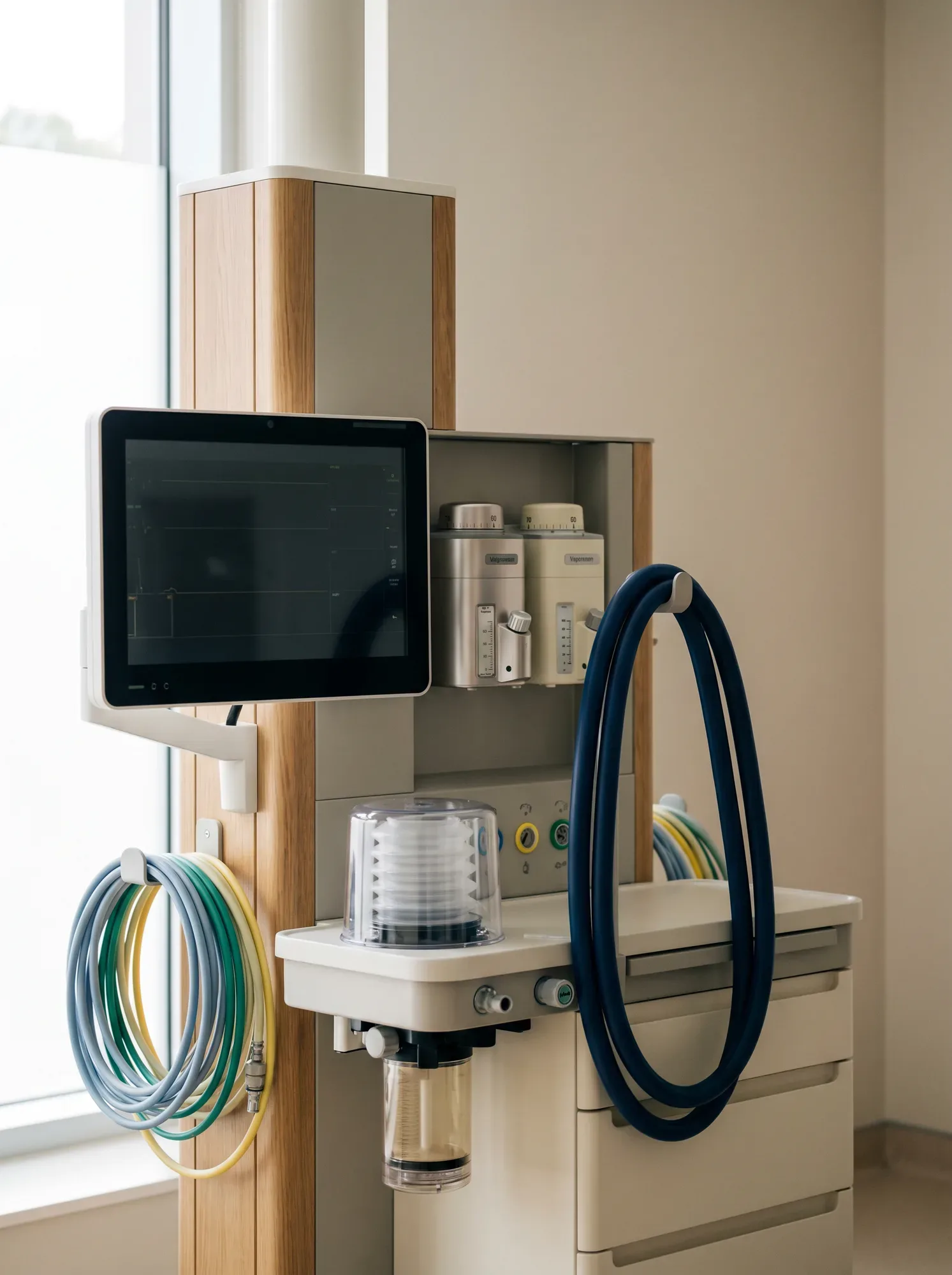
OMS Specialists anaesthetist managing a patient under general anaesthesia in theatre

Quick answer about this procedure

QUICK ANSWER

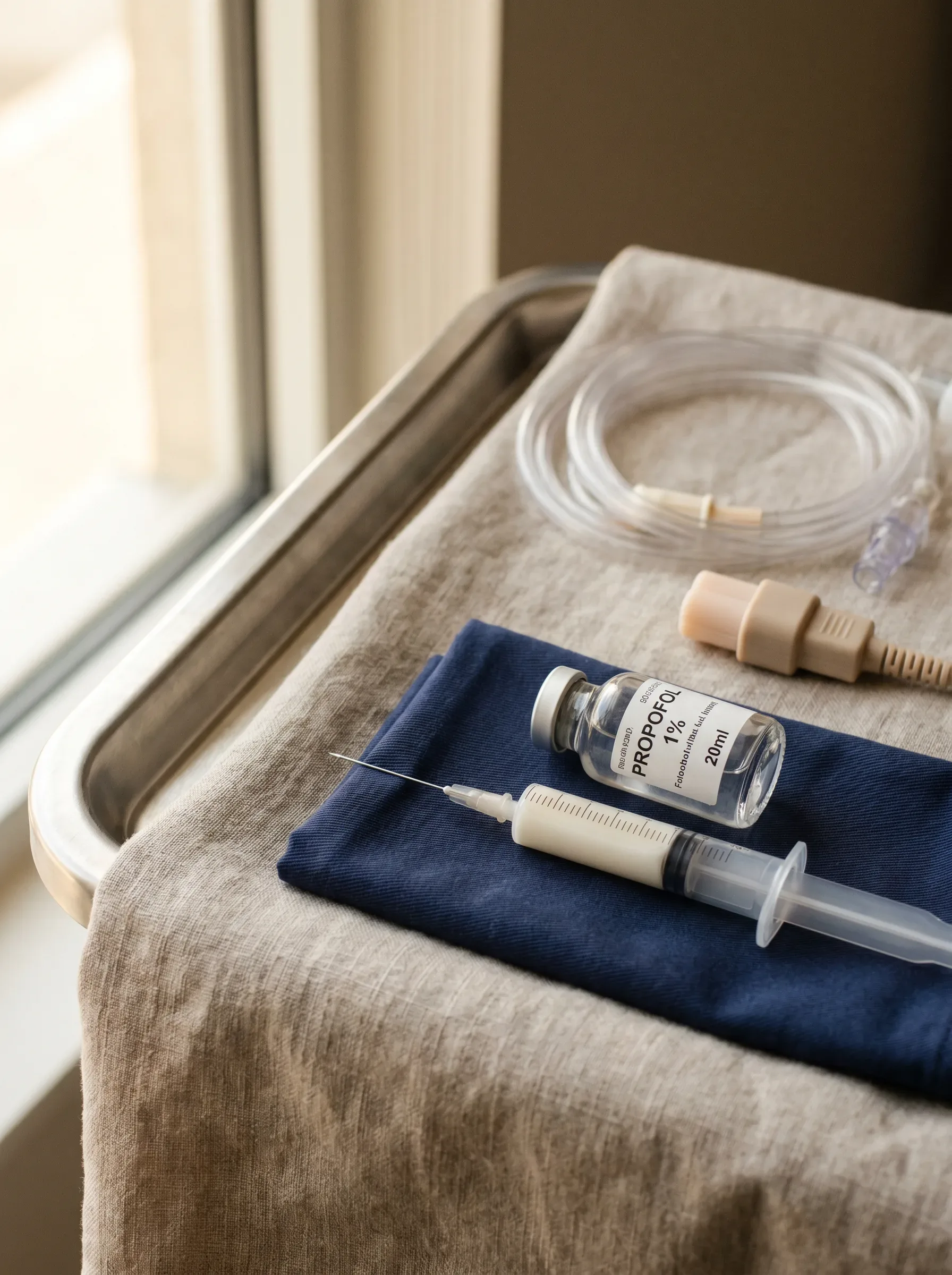
Anaesthesia at OMS Specialists covers three modalities: local anaesthesia (numbing the surgical site, fully awake), intravenous sedation (twilight anaesthesia, relaxed and drowsy, usually with little or no memory of the procedure), and general anaesthesia (complete anaesthesia, delivered by a specialist anaesthetist at hospital).

Modalities
Local · IV sedation · General
Provider
OMS surgeons and specialist anaesthetists
Setting
Clinic rooms (local or sedation) · Hospital (GA)
Fasting required
Sedation or GA, yes. Local, no.
Recovery to discharge
Local, immediate. Sedation, 1–2 hrs. GA, 2–4 hrs.
Escort home required
Sedation or GA, yes. Local, no.

WHAT IT'S FOR

When each anaesthesia option is usually used

  • Local anaesthesia

    • Simple extractions and biopsies
    • Skin lesion removal and scar revision
    • Patients who prefer to be awake and aware
  • Intravenous sedation (twilight anaesthesia)

    • Wisdom teeth removal and surgical extractions
    • Dental implants and bone grafting
    • Patients with significant dental or procedural anxiety
    • Longer or more complex clinic-based procedures
  • General anaesthesia (complete anaesthesia)

    • Orthognathic and TMJ surgery
    • Major facial trauma and reconstruction
    • Salivary gland surgery
    • Complex skin cancer surgery with reconstruction
    • Children, and patients who are unable to tolerate awake procedures

OUR APPROACH

Hospital-grade safety, clinic-room comfort

Our purpose designed operating theatres have the most modern equipment and anaesthetic monitoring to provide safe intravenous sedation, and we work closely with all regulatory bodies on safety standards.

After the procedure, patients recover in a specialist area under close monitoring until ready for discharge. For general anaesthesia, our surgeons work with the very best specialist anaesthetists at affiliated Auckland hospitals.

At pre-operative review the anaesthetic plan is confirmed, fasting and medication instructions are explained, and any questions about the experience can be discussed: going under, waking up, and how you may feel afterwards.

ANAESTHESIA OPTIONS

Three options, chosen to fit the procedure and the patient

Most OMS procedures can be delivered under any of the three options. We discuss which fits best at consultation.

PROCEDURE 01

Local anaesthesia

A numbing injection at the surgical site. You remain fully awake and aware throughout, but feel no pain. Used for simple extractions, skin lesion removal, biopsies, and patients who prefer to remain alert during the procedure. Fasting is not required, and you can drive yourself home afterwards.

Local Onset 5–10 min
Read the full procedure
PROCEDURE 02

Intravenous sedation (twilight anaesthesia)

Sedative drugs delivered through a small intravenous cannula leave you deeply relaxed and drowsy, and most patients have little or no memory of the procedure afterwards. Sedation is combined with local anaesthesia at the surgical site. Used for wisdom teeth, implants, bone grafting, and anxious patients. Fasting and an escort home are required.

IV sedation + local Recover 1–2 hrs
Read the full procedure
PROCEDURE 03

General anaesthesia

General (complete) anaesthesia, delivered by a specialist anaesthetist at an affiliated Auckland hospital. Used for orthognathic surgery, major facial trauma, complex reconstruction, and for children. Fasting is required, the procedure is performed as either a day-stay or overnight admission depending on the case, and an escort home is required.

GA (specialist anaesthetist) Recover 2–4 hrs · Day-stay or overnight
Read the full procedure
YOUR SURGEONS

Three specialist surgeons across the practice

Each surgeon carries dual qualifications (BDS + MBChB or MBBS) plus Fellowship from the Royal Australasian or English College.

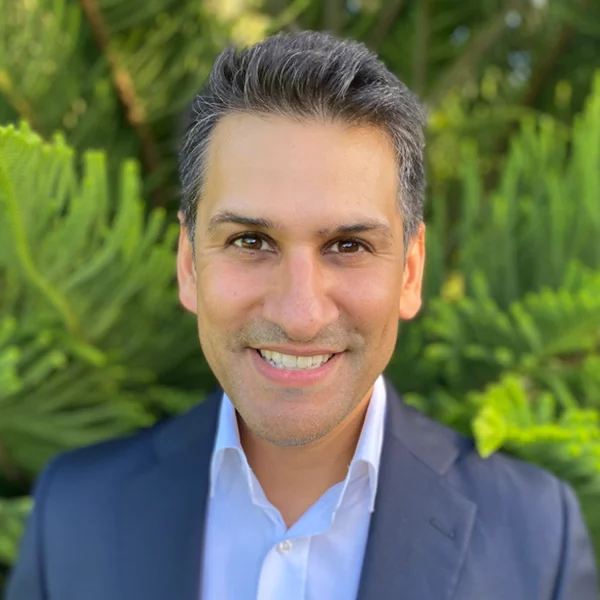
Mr Richard Cobb, Specialist Oral and Maxillofacial Surgeon

Mr Richard Cobb

Specialist Oral & Maxillofacial Surgeon

BDS · MBBS · MFDS(Eng) · MRCS(Eng) · DHMSA · FRCS(OMFS)

  • Oral Surgery
  • Jaw Surgery
  • Facial Surgery
  • Skin Surgery
View full profile
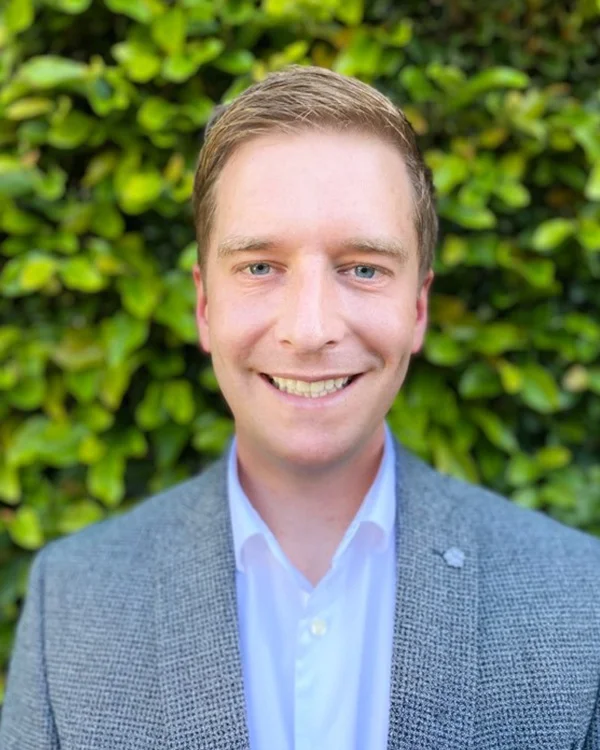
Mr Ryan Smit, Specialist Oral and Maxillofacial Surgeon

Mr Ryan Smit

Specialist Oral & Maxillofacial Surgeon

BDS · MBChB · MRACDS(PDS) · FRACDS(OMS)

  • Oral Surgery
  • Jaw Surgery
  • Facial Surgery
  • Skin Surgery
View full profile
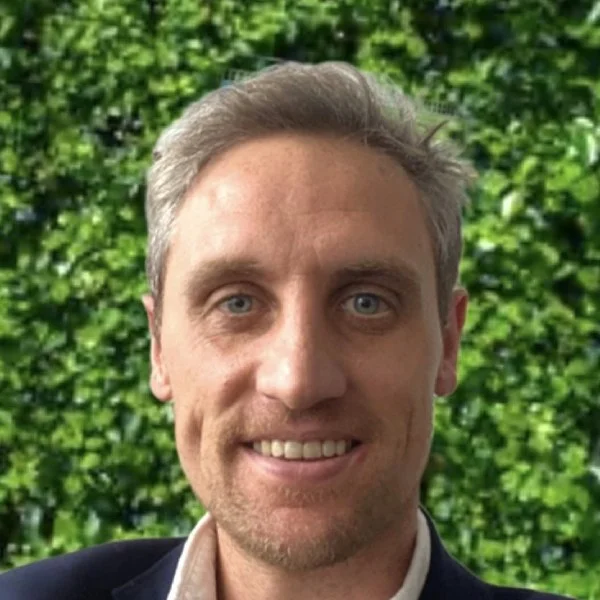
Mr Simon Roberts, Specialist Oral and Maxillofacial Surgeon

Mr Simon Roberts

Specialist Oral & Maxillofacial Surgeon

MBBS · BDS · FRCS(OMFS)

  • Oral Surgery
  • Jaw Surgery
  • Facial Surgery
  • Skin Surgery
View full profile

WHAT TO EXPECT

From check-in to home

The anaesthetic experience is one of the more common areas of patient concern. The stages below describe what is usually involved for intravenous sedation and general anaesthesia.

  • Day before, or morning of surgery

    Pre-op

    Fasting from midnight, or per specific instructions. Loose comfortable clothing, and your escort accompanies you. Regular medications can usually be taken with a sip of water unless advised otherwise.

    Red flags · A cold, fever or new illness in the days before surgery. Contact us so the case can be reassessed.

  • First 5–15 min

    Induction

    An intravenous cannula is placed and monitoring attached (oxygen, heart rate, blood pressure). The sedative or anaesthetic agent is given; you will feel drowsy quickly, and for general anaesthesia asleep within a minute or two.

  • 1–4 hrs

    Recovery

    Monitored in the recovery area until alert and stable. Tea, toast or biscuits are offered, and pain is controlled with regular medication. Once ready, you are discharged home with your escort.

  • 0–24 hrs

    First 24 hours at home

    No driving, operating machinery, or making important legal decisions. A responsible adult should be with you overnight. Follow the surgery-specific post-operative instructions.

FREQUENTLY ASKED

Questions about anaesthesia & sedation

Common questions patients ask about anaesthesia and sedation.

How much does anaesthesia and sedation cost in New Zealand?

Anaesthesia is bundled into the overall surgical estimate rather than billed as a standalone service. Local anaesthesia (a numbing injection at the surgical site) is included in the surgeon's fee. Intravenous sedation (twilight anaesthesia) typically adds NZ$400 to $900 depending on the length of the procedure and the monitoring required. General anaesthesia (complete anaesthesia) at an affiliated Auckland hospital is the largest additional cost, typically NZ$1,500 to $3,500 or more depending on the hospital, theatre time, and the specialist anaesthetist. A full line-item breakdown is provided at consultation before you commit.

Do I need a referral, or can I book directly?

Anaesthesia is part of the surgical pathway rather than a standalone booking, so there is no separate referral for anaesthesia itself. The anaesthetic plan, including the modality (local, intravenous sedation, or general anaesthesia) and the setting (one of our purpose designed clinic rooms, or an affiliated Auckland hospital with a specialist anaesthetist) is set at your surgical consultation and confirmed at the pre-operative review. You can make a self-referral for surgery without a GP or dentist referral. If you have specific anaesthetic concerns from previous surgery, or known medical conditions affecting anaesthesia, please flag these at consultation so they can be planned around in advance.

Can my GP or dentist do this, or do I need a specialist?

Many GPs and general dentists provide local anaesthesia (a numbing injection) for routine in-rooms care. Intravenous sedation (twilight anaesthesia) in a clinic setting requires specialist training, purpose designed operating theatres with modern anaesthetic monitoring, and recovery facilities, all of which OMS Specialists has in place. General anaesthesia (complete anaesthesia) is delivered by a specialist anaesthetist at an affiliated Auckland hospital. Our surgeons are highly trained in local anaesthetic techniques and in delivering safe intravenous sedation, and work with the very best specialist anaesthetists for general anaesthesia cases and complex inpatient surgery.

What anaesthetic will I have: local, sedation, or general?

For simple procedures, such as small surgical extractions, biopsies, or skin lesion removal, local anaesthesia is usually used and you remain fully awake and aware. For wisdom tooth surgery, dental implants, bone augmentation, and for patients with significant dental or procedural anxiety, intravenous sedation (twilight anaesthesia) is generally recommended in one of our purpose designed clinic rooms. For corrective jaw surgery (orthognathic), major reconstruction, complex facial trauma, salivary gland surgery, and for children, general anaesthesia (complete anaesthesia) is used at an affiliated Auckland hospital with a specialist anaesthetist. The choice is discussed and agreed at your consultation.

How long is recovery, and when can I go home?

For local anaesthesia, recovery is immediate, fasting is not required, and you can drive yourself home afterwards. For intravenous sedation (twilight anaesthesia), you will recover in a specialist area under close monitoring for 1 to 2 hours, and then go home with a responsible adult escort, with no driving, operating machinery, or important legal decisions for 24 hours. For general anaesthesia (complete anaesthesia), you will recover for 2 to 4 hours, with either a day-stay or a 1 to 2 night overnight admission depending on the procedure, before going home with an escort. A responsible adult should be with you overnight after sedation or general anaesthesia.

Will I be fully unconscious, or can I respond?

Under local anaesthesia you remain fully awake and aware throughout the procedure, feeling pressure but no pain at the surgical site. Under intravenous sedation (twilight anaesthesia) you are deeply relaxed and drowsy, your breathing remains your own, and you may respond to simple instructions, although most patients have little or no memory of the procedure afterwards. Under general anaesthesia (complete anaesthesia) you are fully unconscious with no awareness of the procedure, your breathing and vital signs are managed by a specialist anaesthetist, and you wake in the recovery area afterwards. The level chosen is matched to the procedure and to your preference.

Can I have just local anaesthetic instead of sedation?

For many procedures, yes. If you would prefer to remain awake we can plan local-only care for simpler cases, such as straightforward extractions, small biopsies, or facial skin lesion removal, and fasting and an escort home are not required. Some procedures, including longer wisdom tooth surgery, complex impacted extractions, bone augmentation, and surgery for patients with significant dental anxiety, often work significantly better under intravenous sedation (twilight anaesthesia) or general anaesthesia, because the experience is more comfortable and the procedure can usually be completed more efficiently. At consultation the trade-offs are discussed openly, and your preference is respected where it is safe to do so.

START THE CONVERSATION

Three pathways to a calm, safe experience

DIRECT

Request an appointment

Online form. Our admin team will respond within one working day.

Request appointment

CLINICIANS

Refer a patient

For GPs, dentists and specialists. Secure referral portal with imaging upload.

Refer a patient

SPEAK DIRECTLY

Call (09) 477 0058

Mon to Fri, 8:00am to 5:00pm. Reception will route your call to the right person.

Call (09) 477 0058