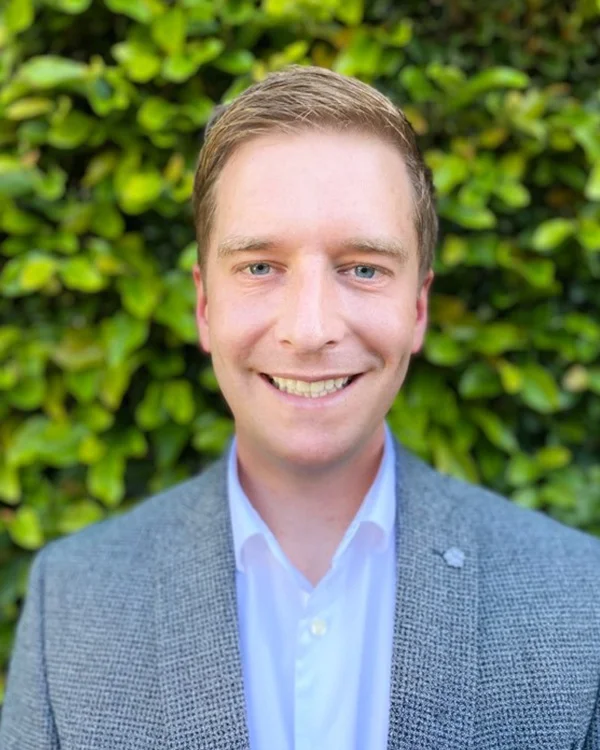
Mr Richard Cobb
Specialist Oral & Maxillofacial Surgeon
- Oral Surgery
- Jaw Surgery
- Facial Surgery
- Skin Surgery

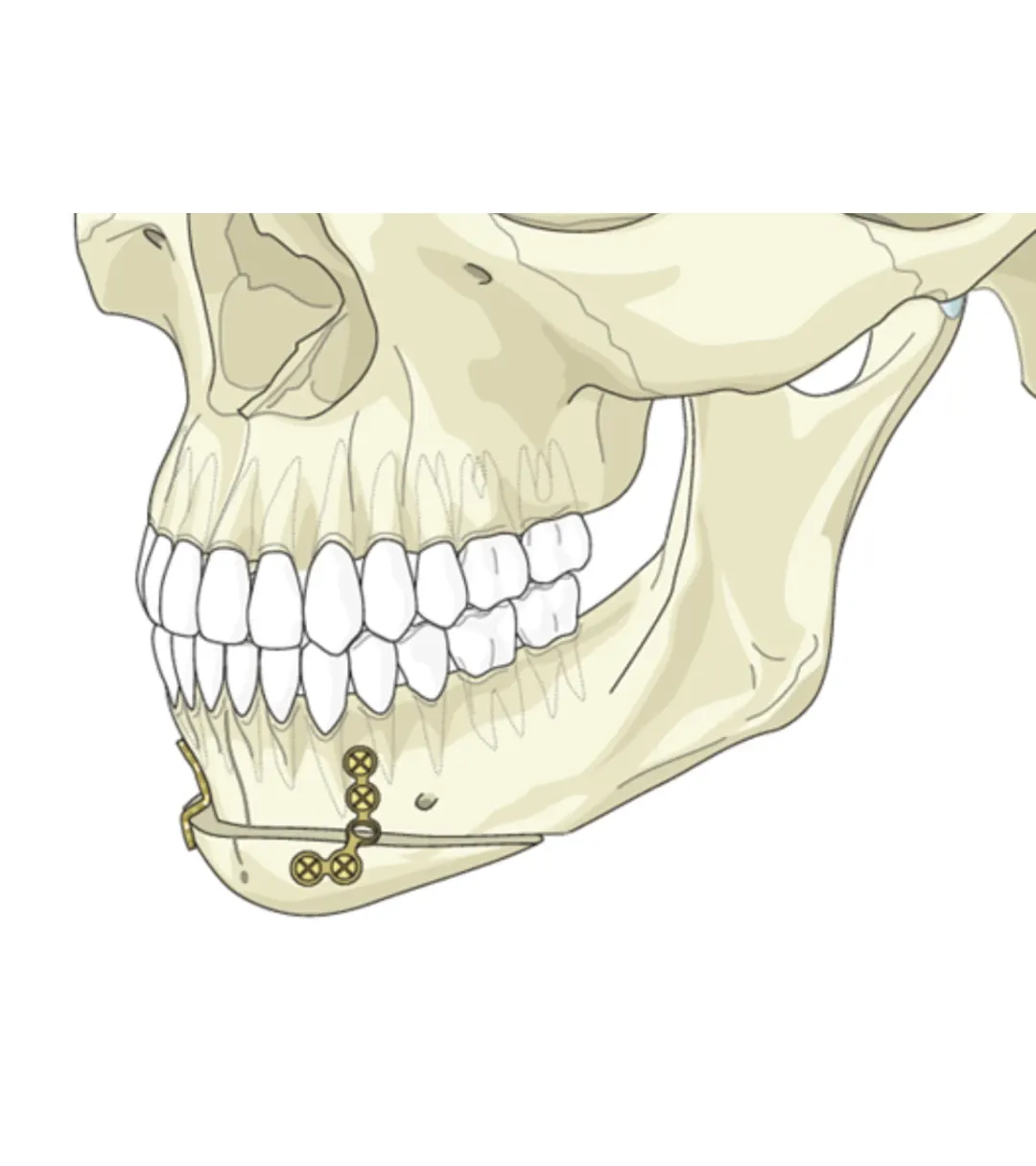
Orthognathic surgery involves the surgical repositioning of the top jaw, bottom jaw and/or chin in any direction to correct functional or cosmetic problems. This is usually performed in conjunction with your orthodontist, as a period of braces is usually required to prepare for and supplement surgery. This is a core part of our work at OMS Specialists.
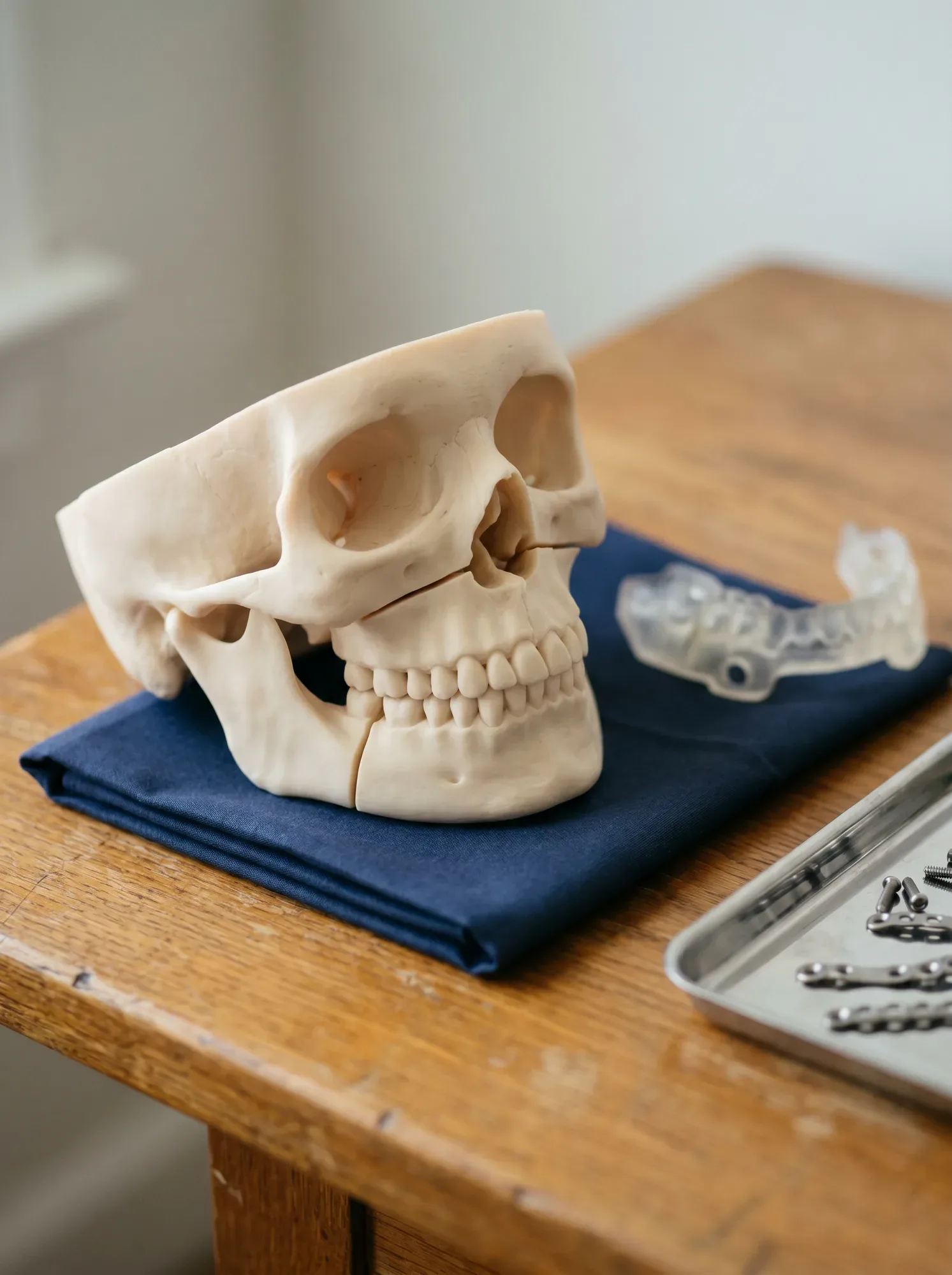
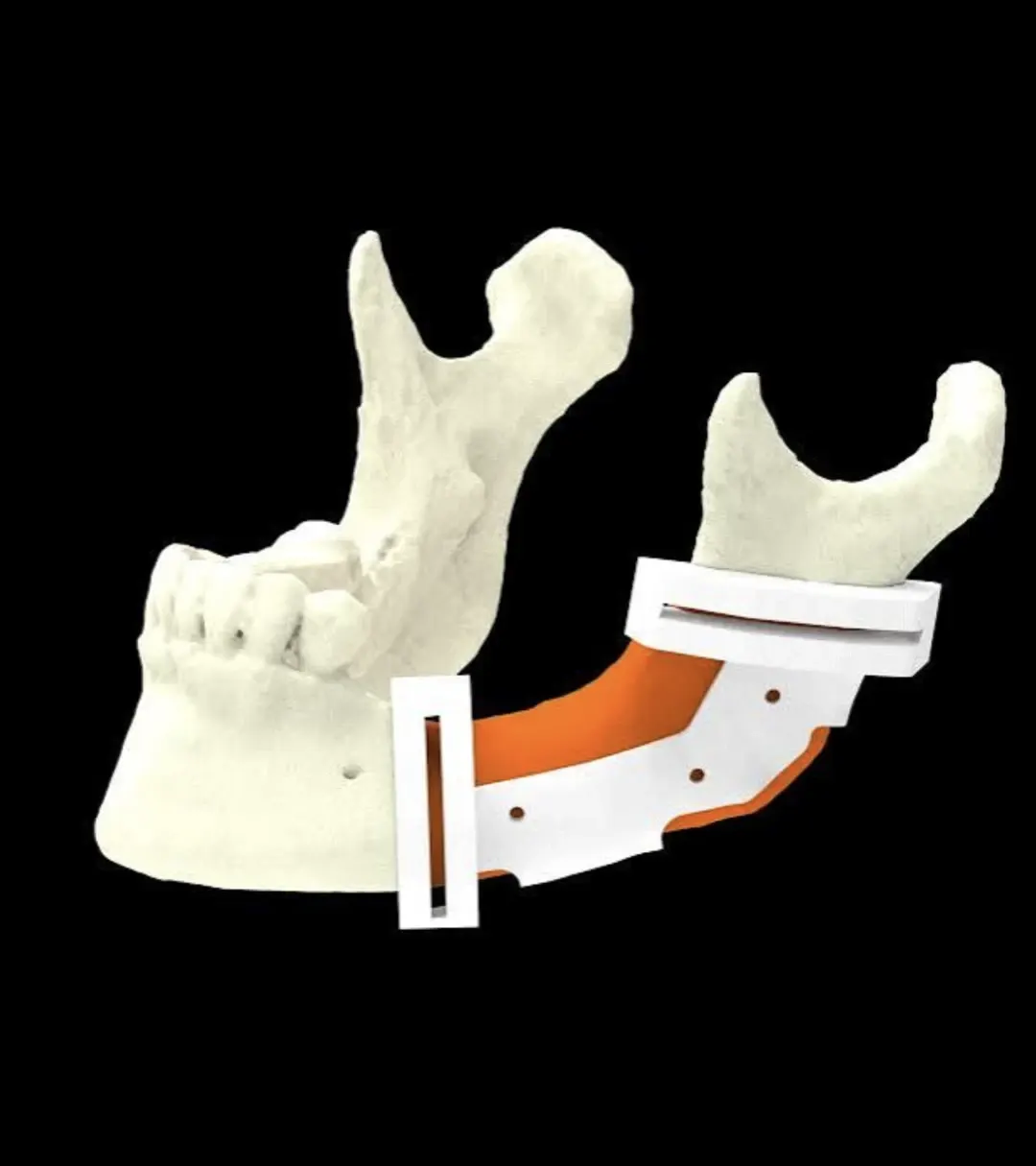
Corrective jaw surgery (orthognathic surgery) repositions the upper jaw, lower jaw or chin to address skeletal discrepancies causing an abnormal bite, breathing difficulties or facial imbalance. All three surgeons at OMS Specialists perform corrective jaw surgery, with some having completed international subspecialty fellowship training and holding a particular interest in this area. Complex cases are planned using 3D Virtual Surgical Planning software.
IS THIS FOR YOU?
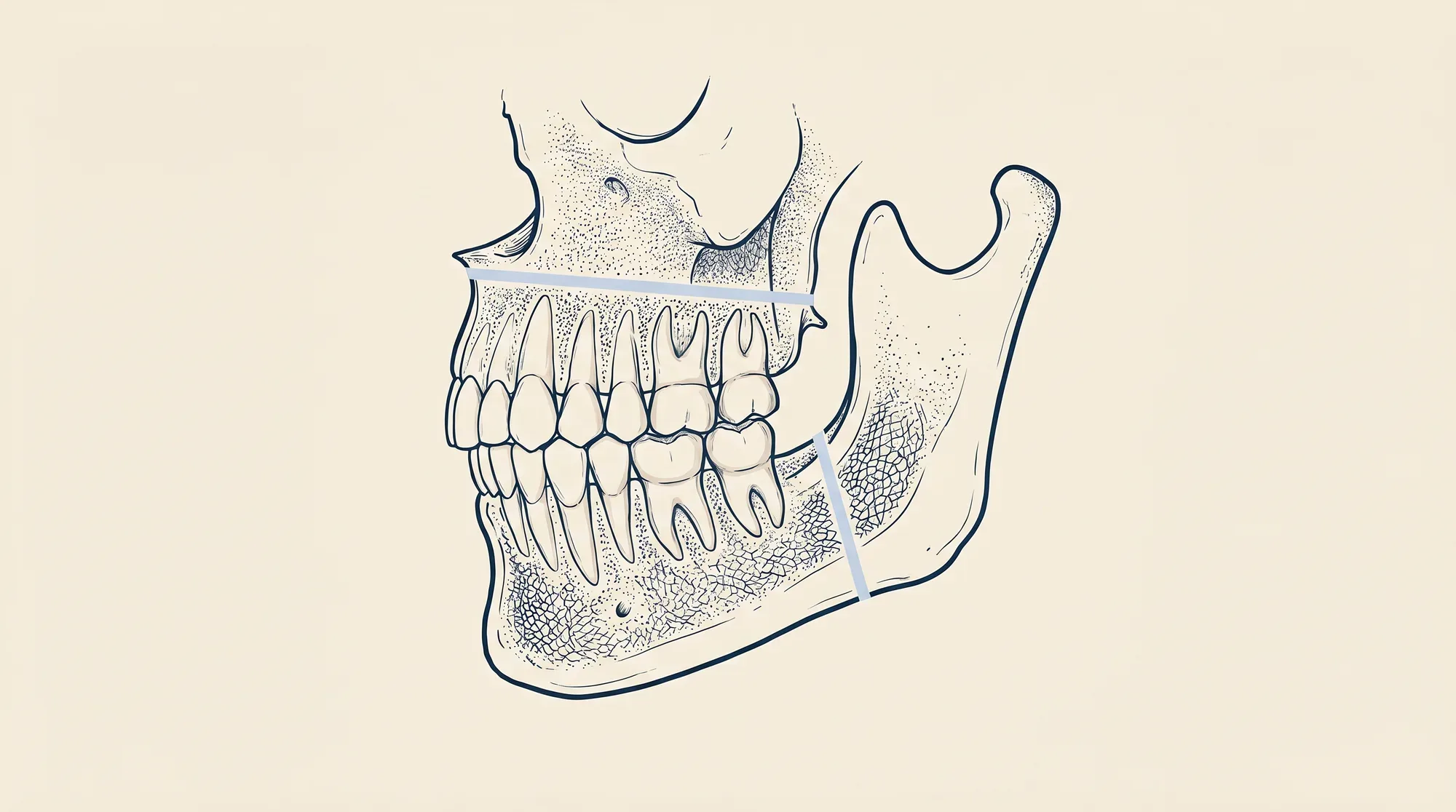
Understanding the anatomy
All three surgeons at OMS Specialists perform this procedure. Each holds dual qualifications in medicine and dentistry and is a Fellow of the Royal Australasian College of Dental Surgeons or the Royal College of Surgeons of England.
Specialist Oral & Maxillofacial Surgeon
Specialist Oral & Maxillofacial Surgeon

Specialist Oral & Maxillofacial Surgeon
RECOVERY TIMELINE
Inpatient admission with monitored recovery. Liquid then soft diet, prescribed pain relief and anti-inflammatory medication.
Difficulty breathing, severe bleeding, fever over 38°C, or inability to swallow fluids.
Swelling peaks in the first week then settles. Soft diet continues. Most patients work from home in week 2.
Return to desk-based work, dietary progression to chewing soft foods, and orthodontic elastics begin to refine the bite.
Continued bone healing and braces finishing. Final orthodontic detailing is usually complete by 6–12 months post-surgery.
| Phase | What to expect | When to contact us |
|---|---|---|
| Hospital stay (1–2 nights) | Inpatient admission with monitored recovery. Liquid then soft diet, prescribed pain relief and anti-inflammatory medication. | Difficulty breathing, severe bleeding, fever over 38°C, or inability to swallow fluids. |
| Week 1–2 | Swelling peaks in the first week then settles. Soft diet continues. Most patients work from home in week 2. | |
| Week 4–6 | Return to desk-based work, dietary progression to chewing soft foods, and orthodontic elastics begin to refine the bite. | |
| Month 3–12 | Continued bone healing and braces finishing. Final orthodontic detailing is usually complete by 6–12 months post-surgery. |
RISKS & HONESTY
Numbness or altered sensation of the lower lip, chin or cheek is common in the early weeks and usually recovers over months. A small risk of permanent altered sensation is discussed at consent.
Significant haemorrhage during orthognathic surgery is uncommon but is part of the consent discussion given the vascular anatomy of the maxilla and mandible.
Occasionally the corrected position relapses slightly or the bone heals unfavourably, requiring revision or adjustment of the orthodontic finishing plan.
Infection at the surgical sites or around the fixation plates is uncommon and is managed with prescribed antibiotics.
FREQUENTLY ASKED
The full pathway typically takes 18 to 24 months from braces start to braces off. Pre-surgical orthodontics align the teeth within each jaw over 12 to 18 months, surgery repositions the jaws in a single operation, and post-surgical orthodontics refines the bite over a further 3 to 6 months. This is usually performed in conjunction with your orthodontist, as a period of braces is required to prepare and supplement surgery.
Orthognathic surgery is performed under general anaesthesia in a hospital, with prescribed pain relief and anti-inflammatory medication managing post-operative discomfort. Most patients describe the first week as moderately uncomfortable rather than acutely painful, with swelling being the more dominant sensation. Pain settles markedly over the first 7 to 10 days.
Virtual Surgical Planning (VSP) uses digital imaging and computer software to plan the surgical movement of the jaws and to manufacture custom cutting guides and plates. It allows highly complex procedures to be extremely precise. All three surgeons at OMS Specialists use VSP, and complex orthognathic cases routinely use VSP to plan the surgery in three dimensions.
RELATED PROCEDURES
DIRECT
Online form. Our admin team will respond within one working day.
Request appointmentCLINICIANS
For GPs, dentists and specialists. Secure referral portal with imaging upload.
Refer a patientSPEAK DIRECTLY
Mon to Fri, 8:00am to 5:00pm. Reception will route your call to the right person.
Call (09) 477 0058