Mr Richard Cobb
Specialist Oral & Maxillofacial Surgeon
- Oral Surgery
- Jaw Surgery
- Facial Surgery
- Skin Surgery

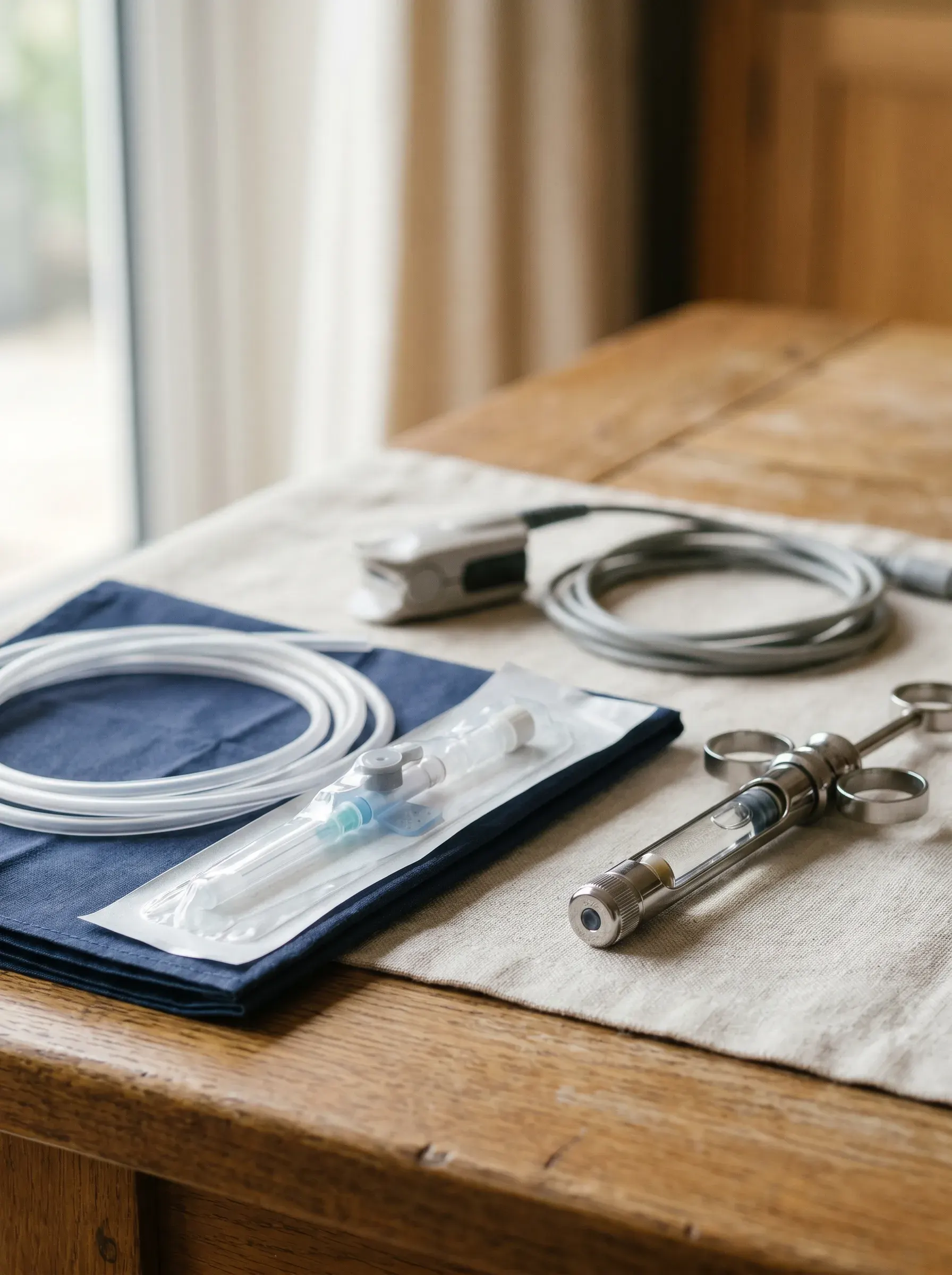
A general anaesthetic (GA) is when you are put completely to sleep. This is performed by a specialist anaesthetist, usually in a hospital setting, the type of anaesthetic you might have if you were having your tonsils removed or your appendix taken out.
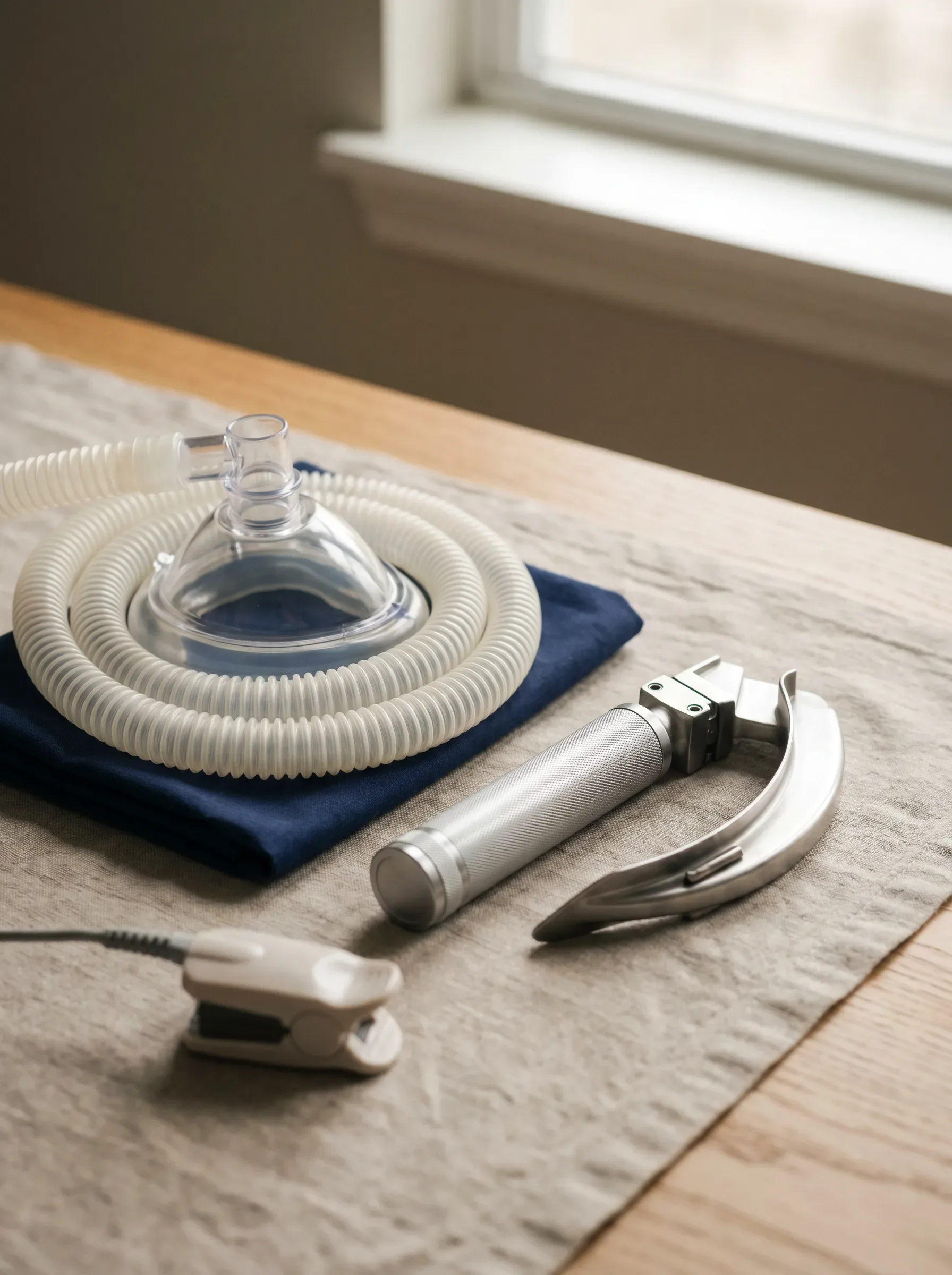
General anaesthesia (GA) is complete anaesthesia delivered by a specialist anaesthetist in a hospital setting. While you are asleep you are carefully looked after and monitored by the anaesthetist whilst the surgeon carries out the procedure.
IS THIS FOR YOU?
Understanding the anatomy
All three surgeons at OMS Specialists perform this procedure. Each holds dual qualifications in medicine and dentistry and is a Fellow of the Royal Australasian College of Dental Surgeons or the Royal College of Surgeons of England.
Specialist Oral & Maxillofacial Surgeon

Specialist Oral & Maxillofacial Surgeon

Specialist Oral & Maxillofacial Surgeon
RECOVERY TIMELINE
On waking you are taken to the specialist recovery area where you are again carefully monitored until you are safe to go home. Sore throat, mild grogginess and possible nausea are common short-term effects.
Severe pain not controlled by prescribed medication, difficulty breathing, or persistent vomiting.
Discharge home with an escort, prescribed pain medication and post-operative instructions for the underlying procedure. No driving, alcohol or important decisions for 24 hours.
Most patients feel close to their normal selves by the day after the procedure. Surgical-site recovery follows the timeline of the underlying procedure.
| Phase | What to expect | When to contact us |
|---|---|---|
| On waking (1–2 hours) | On waking you are taken to the specialist recovery area where you are again carefully monitored until you are safe to go home. Sore throat, mild grogginess and possible nausea are common short-term effects. | Severe pain not controlled by prescribed medication, difficulty breathing, or persistent vomiting. |
| Same day | Discharge home with an escort, prescribed pain medication and post-operative instructions for the underlying procedure. No driving, alcohol or important decisions for 24 hours. | |
| Day 2 onwards | Most patients feel close to their normal selves by the day after the procedure. Surgical-site recovery follows the timeline of the underlying procedure. |
RISKS & HONESTY
Sore throat, mild grogginess, nausea and occasional headache for the first day are common. These usually settle quickly with simple measures.
Modern general anaesthesia is very safe when delivered by a specialist anaesthetist with full hospital monitoring. Rare serious risks are discussed individually at the pre- operative anaesthetic review.
Your full medical history, current medications and any allergies are reviewed pre-operatively by the anaesthetist to plan the safest regimen.
Some patients experience post-operative nausea and vomiting, which is treated with anti-emetic medication and usually settles within hours.
FREQUENTLY ASKED
A General Anaesthetic (GA) is when you are put completely to sleep. This is performed by a specialist anaesthetist, usually in a hospital setting. There are a number of different reasons for having a general anaesthetic, these include the complexity or length of the surgery, the management of young patients or those who are particularly anxious or nervous about undergoing surgery.
You attend the hospital fasted as instructed. The specialist anaesthetist reviews your history and explains the anaesthetic. Medication is given to send you to sleep. While you are asleep you are carefully looked after and monitored by the anaesthetist whilst the surgeon carries out the procedure. On waking you are taken to the specialist recovery area where you are again carefully monitored until you are safe to go home.
Typical fasting is 6 hours for solids and 2 hours for clear fluids before the procedure. Specific instructions are provided at your pre-operative appointment. Following the fasting guidance is important for your safety during anaesthesia.
Many oral and maxillofacial procedures under GA are day-stay with same-day discharge once recovery criteria are met. More complex procedures (orthognathic surgery, MMA, large reconstructions) involve a 1 to 2 night hospital stay. This is discussed at consultation based on the specific procedure.
RELATED PROCEDURES
DIRECT
Online form. Our admin team will respond within one working day.
Request appointmentCLINICIANS
For GPs, dentists and specialists. Secure referral portal with imaging upload.
Refer a patientSPEAK DIRECTLY
Mon to Fri, 8:00am to 5:00pm. Reception will route your call to the right person.
Call (09) 477 0058