ORAL SURGERY

Specialist oral surgery in Auckland

Oral surgery involves procedures such as dental extractions, the removal of impacted wisdom teeth, the placement of dental implants and biopsies of lesions within the mouth. This work is often performed following referral from your general dentist, specialist orthodontist or you can make a self-referral.

OMS Specialists surgeon performing wisdom tooth surgery under sterile conditions

Quick answer about this procedure

QUICK ANSWER

Oral surgery is the surgical management of conditions affecting the mouth, teeth and surrounding structures. At OMS Specialists this includes extractions, wisdom teeth, dental implants, bone augmentation and oral pathology biopsies, undertaken under local anaesthesia with intravenous sedation (twilight anaesthesia) or general anaesthesia.

Procedure types
6 procedures
Anaesthesia
Local · Sedation · General
Duration
30 min – 2 hrs
Stay
Day-stay (most cases)
Recovery
3–14 days

CONDITIONS WE TREAT

Conditions we surgically manage in the oral cavity

  • Teeth and extractions

    • Surgical extraction of broken, retained or unrestorable teeth
    • Impacted or problematic wisdom teeth
    • Trauma to teeth and the surrounding bone
  • Implants and bone

    • Replacement of missing teeth with dental and zygomatic implants
    • Insufficient bone volume for implants, where bone augmentation (grafting) may be required
  • Orthodontic and pathology

    • Surgical exposure of unerupted teeth as part of orthodontic treatment
    • Cysts and oral pathology requiring excision
    • Suspicious lesions requiring biopsy and histopathology

OUR APPROACH

Care matched to the patient, not just the procedure

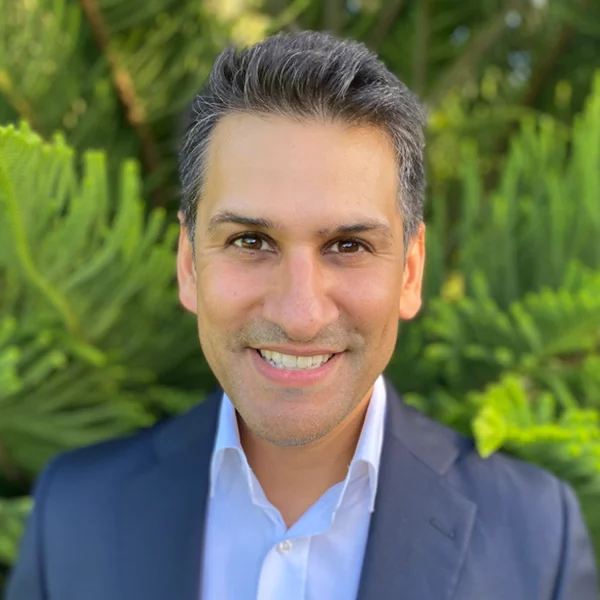
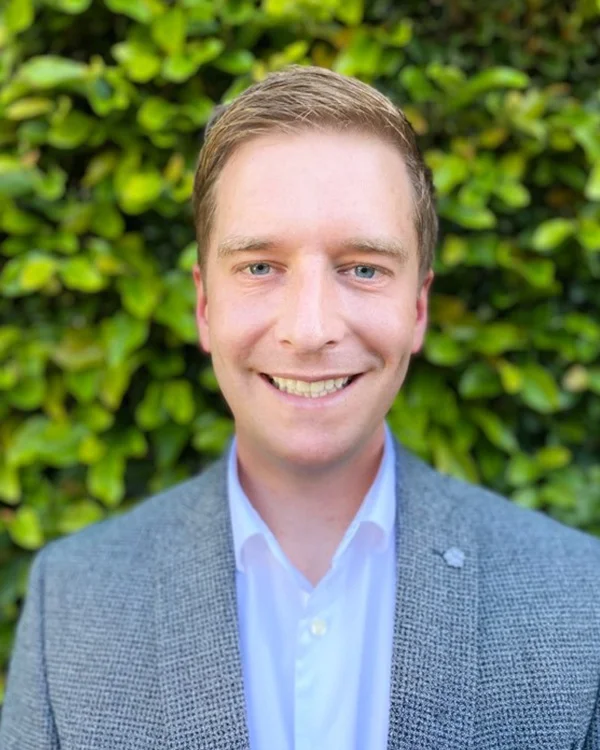
Procedures involving the mouth can often cause concern. Richard, Ryan and Simon are highly experienced in diagnosing and treating these issues.

They are thoroughly trained to deliver care under local anaesthesia with intravenous sedation (twilight anaesthesia) or general anaesthesia (complete anaesthesia) and work with the very best specialist anaesthetists to provide an excellent patient experience.

At your consultation appointment a detailed history and examination will be performed. Any necessary tests will be organised to give you a thorough and considered opinion. You will then be given a treatment plan with all of your options, and time to consider these in order to make an informed decision about how you would like to proceed.

PROCEDURES

Six oral surgery procedures we perform

Each procedure has a dedicated page with detail on recovery, anaesthesia, cost pathways, and surgeon assignment.

PROCEDURE 01

Surgical removal of teeth

Surgical extraction of broken, retained or unrestorable teeth that cannot be managed in a general dental setting. Usually performed under local anaesthesia with intravenous sedation (twilight anaesthesia), or under general anaesthesia where preferred.

Local · Sedation · GA 30–60 min
Read the full procedure
PROCEDURE 02

Wisdom tooth surgery

Surgical removal of impacted or symptomatic third molars (wisdom teeth). The art of removing a wisdom tooth from within the jawbone is complex, as the tooth is often closely related to a nerve that supplies feeling to the lower lip and chin.

Local · Sedation · GA 45–90 min
Read the full procedure
PROCEDURE 03

Exposure and bonding of teeth

Surgical exposure of unerupted teeth (commonly canines or incisors) so the orthodontist can guide the tooth into position with braces. Undertaken in conjunction with your specialist orthodontist.

Local + sedation 45–75 min
Read the full procedure
PROCEDURE 04

Dental and zygomatic implants

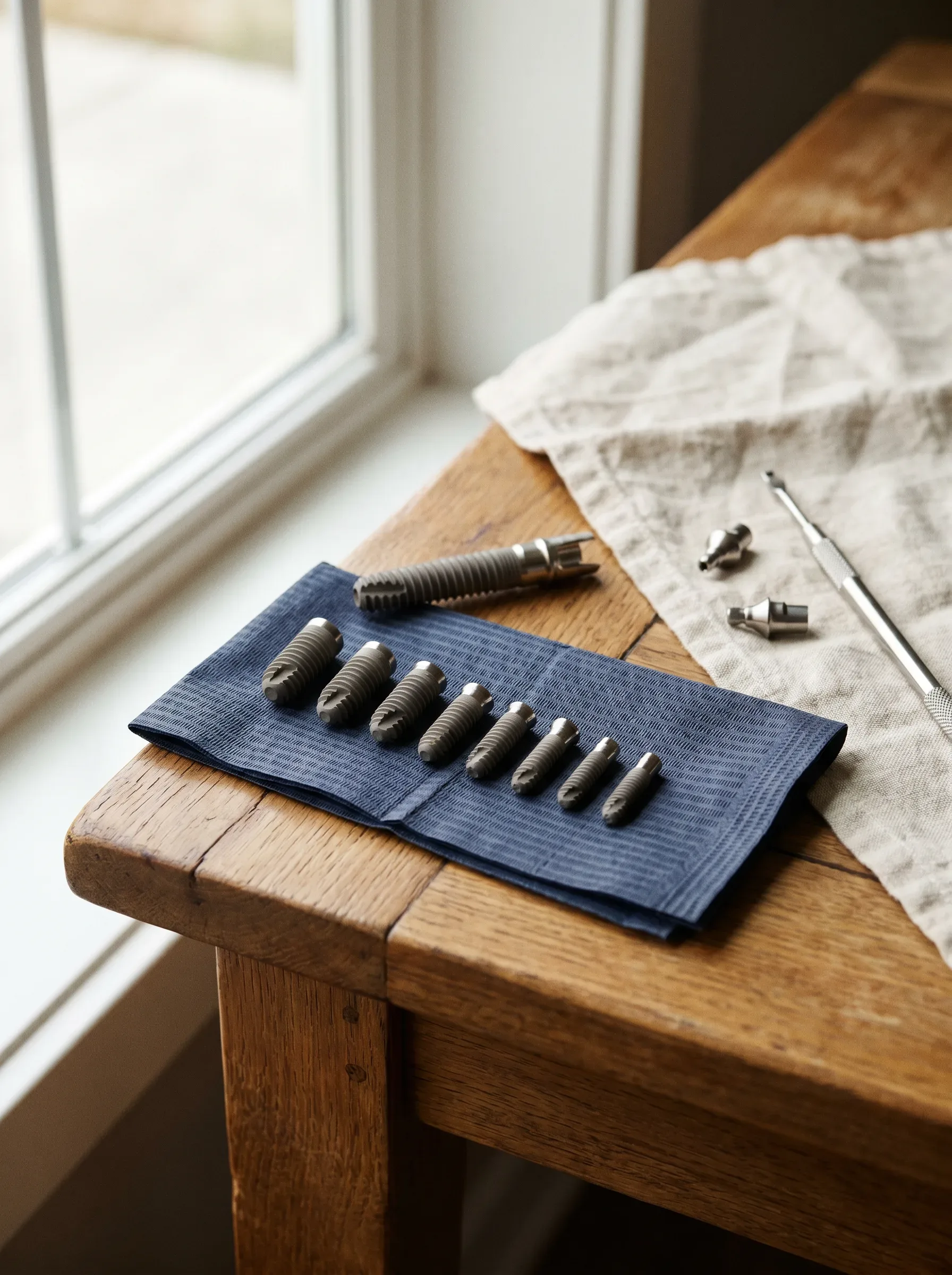
Placement of titanium dental implants to replace missing teeth. Zygomatic implants, which anchor into the cheekbone, may be considered in appropriately selected cases where there is insufficient upper jaw bone for conventional implants.

Local · Sedation · GA 60–120 min
Read the full procedure
PROCEDURE 05

Bone augmentation and grafting

Surgical procedures to build up bone volume before, or at the time of, dental implant placement. Autogenous (your own), allograft or synthetic graft material is selected based on your case.

Local · Sedation · GA 60–120 min
Read the full procedure
PROCEDURE 06

Oral pathology and biopsies

Excisional and incisional biopsies of suspicious lesions within the mouth. Tissue is sent for analysis under a microscope by a pathologist, and you will be given the results at your follow up appointment.

Local · Sedation 20–60 min
Read the full procedure
YOUR SURGEONS

Three specialist surgeons across the practice

Each surgeon carries dual qualifications (BDS + MBChB or MBBS) plus Fellowship from the Royal Australasian or English College.

Mr Richard Cobb, Specialist Oral and Maxillofacial Surgeon

Mr Richard Cobb

Specialist Oral & Maxillofacial Surgeon

BDS · MBBS · MFDS(Eng) · MRCS(Eng) · FRCS(OMFS)

  • Oral Surgery
  • Jaw Surgery
  • Facial Surgery
  • Skin Surgery
View full profile
Mr Ryan Smit, Specialist Oral and Maxillofacial Surgeon

Mr Ryan Smit

Specialist Oral & Maxillofacial Surgeon

BDS · MBChB · MRACDS(PDS) · FRACDS(OMS)

  • Oral Surgery
  • Jaw Surgery
  • Facial Surgery
  • Skin Surgery
View full profile
Mr Simon Roberts, Specialist Oral and Maxillofacial Surgeon

Mr Simon Roberts

Specialist Oral & Maxillofacial Surgeon

MBBS · BDS · FRCS(OMFS)

  • Oral Surgery
  • Jaw Surgery
  • Facial Surgery
  • Skin Surgery
View full profile

RECOVERY TIMELINE

What recovery usually looks like

Recovery varies by procedure. Wisdom teeth and biopsies usually settle more quickly than bone grafts and implants, and the general arc set out below applies to most day-stay oral surgery. You will be given post-operative instructions on how to care for your mouth as it heals, and contact information for help and advice should you need it.

  • 0–2 days

    Day 1–2

    Most patients return home the same day. Rest with the head elevated, ice for 20 minutes each hour while awake, a soft diet, and prescribed pain medication as needed.

    Red flags · Heavy bleeding not slowed by pressure, fever over 38.5°C, or severe swelling worsening after day 2.

  • 3–7 days

    Week 1

    Pain decreases and bruising clears. Soft diet continues, and a gentle return to desk-based work is often possible.

  • 8–28 days

    Week 2–4

    Most patients return to normal activity, diet transitions from soft to normal, and dissolvable sutures gradually dissolve.

  • 3+ months

    Month 3+

    Healing is usually complete. Where dental implants have been placed, integration with the bone continues over this period, and a final follow up confirms the outcome.

FREQUENTLY ASKED

Questions oral surgery patients ask in NZ

Common questions patients ask before booking oral surgery in New Zealand.

How much does oral surgery cost in New Zealand?

Costs vary with the complexity of the procedure, the anaesthesia chosen (local, intravenous sedation, or general anaesthesia), and whether private health insurance covers part of the treatment. As an indication, surgical extraction of wisdom teeth typically ranges NZ$1,200 to $3,500, a single dental implant NZ$5,000 to $7,500, and bone grafting (augmentation) varies with graft type and volume. At your consultation a full written estimate is provided covering the surgeon fee, anaesthetist fee, theatre fee and follow up appointments. Southern Cross and Nib commonly cover most procedures under their surgical plans.

Do I need a referral, or can I book directly?

You can make a self-referral to OMS Specialists. A GP or dentist referral is not required to make an appointment, and you can request a consultation directly through our website or by phoning the clinic. Many patients do come to us via referral from their general dentist or specialist orthodontist, and a formal referral with imaging and clinical notes helps our surgeons prepare a fuller assessment ahead of your appointment. If you already have imaging available (an OPG or CBCT scan) please bring it on the day or have your dentist forward it to us in advance. At consultation we will then perform a detailed history and examination and give you a treatment plan with all of your options.

Can my dentist do this, or do I need a specialist?

General dentists routinely manage straightforward extractions and many simpler oral surgical cases in their own rooms. Specialist oral and maxillofacial surgeon involvement is usually recommended when teeth are impacted within the jawbone, fractured at the gum line, or closely related to important structures such as the inferior alveolar nerve (which supplies feeling to the lower lip and chin) or the maxillary sinus, or when intravenous sedation (twilight anaesthesia) or general anaesthesia is preferred. Dental and zygomatic implants, bone augmentation, surgical exposure of unerupted teeth for orthodontic treatment, and biopsy of suspicious oral lesions also sit firmly within specialist scope, given the dual qualification in medicine and dentistry required.

What anaesthetic will I have: local, sedation, or general?

Most oral surgery is performed under local anaesthesia with intravenous sedation (twilight anaesthesia) in one of our purpose designed clinic rooms, which leaves you deeply relaxed and drowsy with little or no memory of the procedure afterwards. Local anaesthesia alone is appropriate for simple extractions and biopsies, particularly when you would prefer to remain alert. General anaesthesia (complete anaesthesia) is reserved for more complex procedures, longer cases, or for patients who are particularly anxious, and is delivered at an affiliated Auckland hospital with a specialist anaesthetist. At your consultation we will discuss the options and recommend the modality that best suits your case and your preference.

How long is recovery, and how much time off work will I need?

Most patients return to desk-based work within 3 to 5 days after wisdom teeth removal or routine surgical extractions, 5 to 10 days after dental implant placement, and 1 to 2 weeks following bone augmentation (grafting). Soft diet, head elevation and prescribed pain medication are usually advised for the first few days, with swelling and bruising settling progressively across the first week. Physical work and exercise can usually resume around 2 weeks, and most patients return to normal eating within 7 to 14 days. At your pre-operative appointment you will be given a recovery plan specific to your case, post-operative instructions and contact information for help and advice should you need it, along with a medical certificate where required.

Can my wisdom teeth wait, or do I need them out now?

Wisdom teeth that are fully erupted, asymptomatic and easy to keep clean may not need removal, and a watchful approach is often reasonable. Removal is usually recommended when they cause pain, recurrent infection of the overlying gum (pericoronitis), decay, gum disease around adjacent teeth, cyst formation, or damage to the second molar. Removal in your twenties is generally more straightforward than later in life, because the surrounding bone is softer and the roots are less developed, which can reduce both procedure complexity and the risk of injury to the inferior alveolar nerve. At your consultation we will assess your specific case using clinical examination and imaging (often an OPG or CBCT scan).

Will I need bone grafting before implants?

Bone augmentation (grafting) may be required when there is not enough bone volume or density to securely anchor a dental implant, which is common following long-standing tooth loss, advanced gum disease, prior infection or trauma. Grafting can sometimes be performed at the same appointment as the extraction (a technique known as socket preservation), at a separate appointment several months before the implant is placed, or in appropriately selected cases alongside the implant itself. The graft material may be autogenous (your own bone), allograft, or a synthetic substitute, selected based on your case. CBCT (cone-beam CT) imaging is used at consultation to plan this accurately and confirm whether grafting is required.

START THE CONVERSATION

Three pathways to oral surgery care

DIRECT

Request an appointment

Online form. Our admin team will respond within one working day.

Request appointment

CLINICIANS

Refer a patient

For GPs, dentists and specialists. Secure referral portal with imaging upload.

Refer a patient

SPEAK DIRECTLY

Call (09) 477 0058

Mon to Fri, 8:00am to 5:00pm. Reception will route your call to the right person.

Call (09) 477 0058