Mr Richard Cobb
Specialist Oral & Maxillofacial Surgeon
- Oral Surgery
- Jaw Surgery
- Facial Surgery
- Skin Surgery

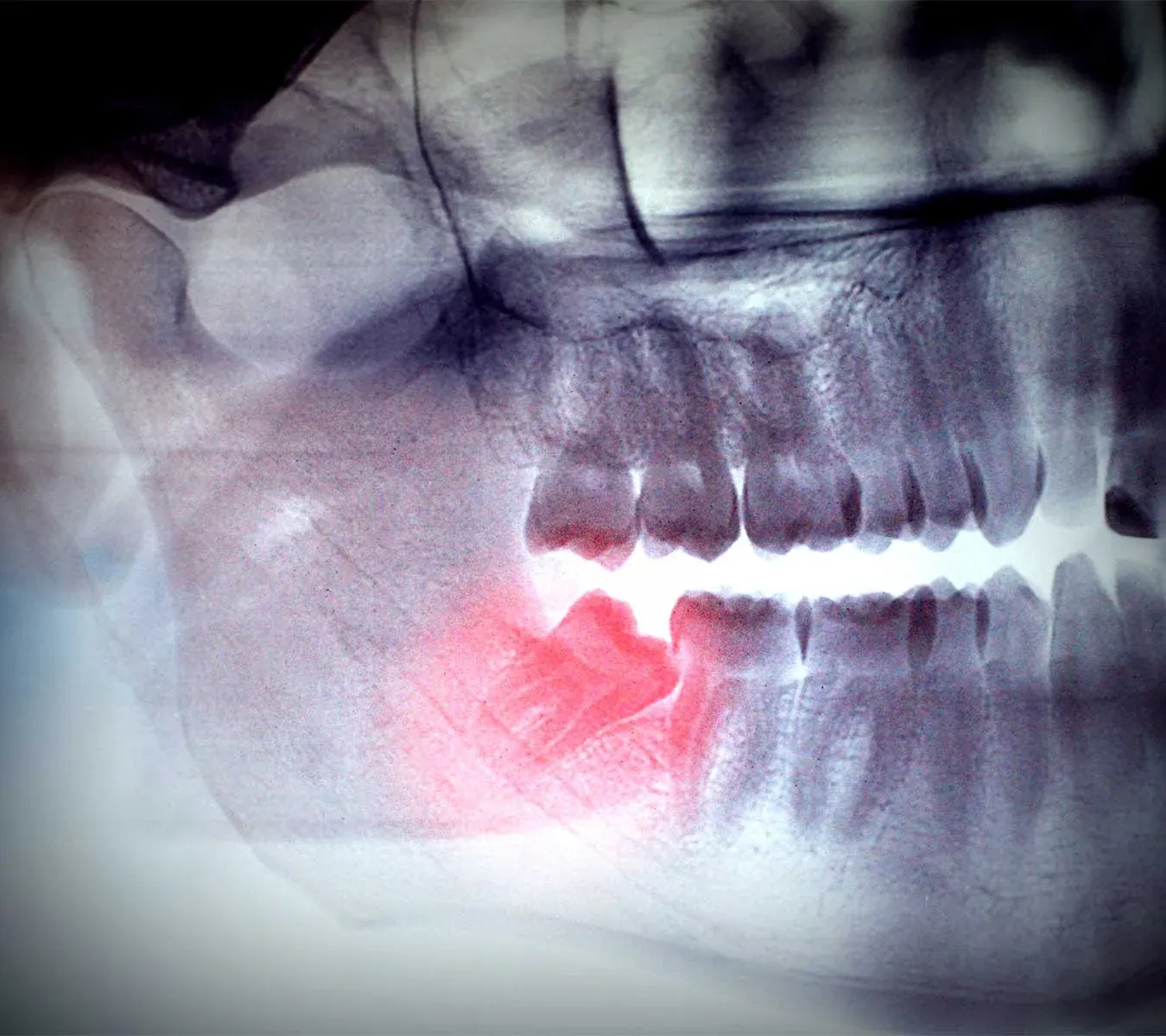
Your dentist, doctor, or specialist may refer you to an Oral and Maxillofacial Surgeon if a tooth is difficult to remove or you have a complex medical condition. This may be because the tooth is infected, difficult to access, or located close to important structures such as blood vessels or nerves.

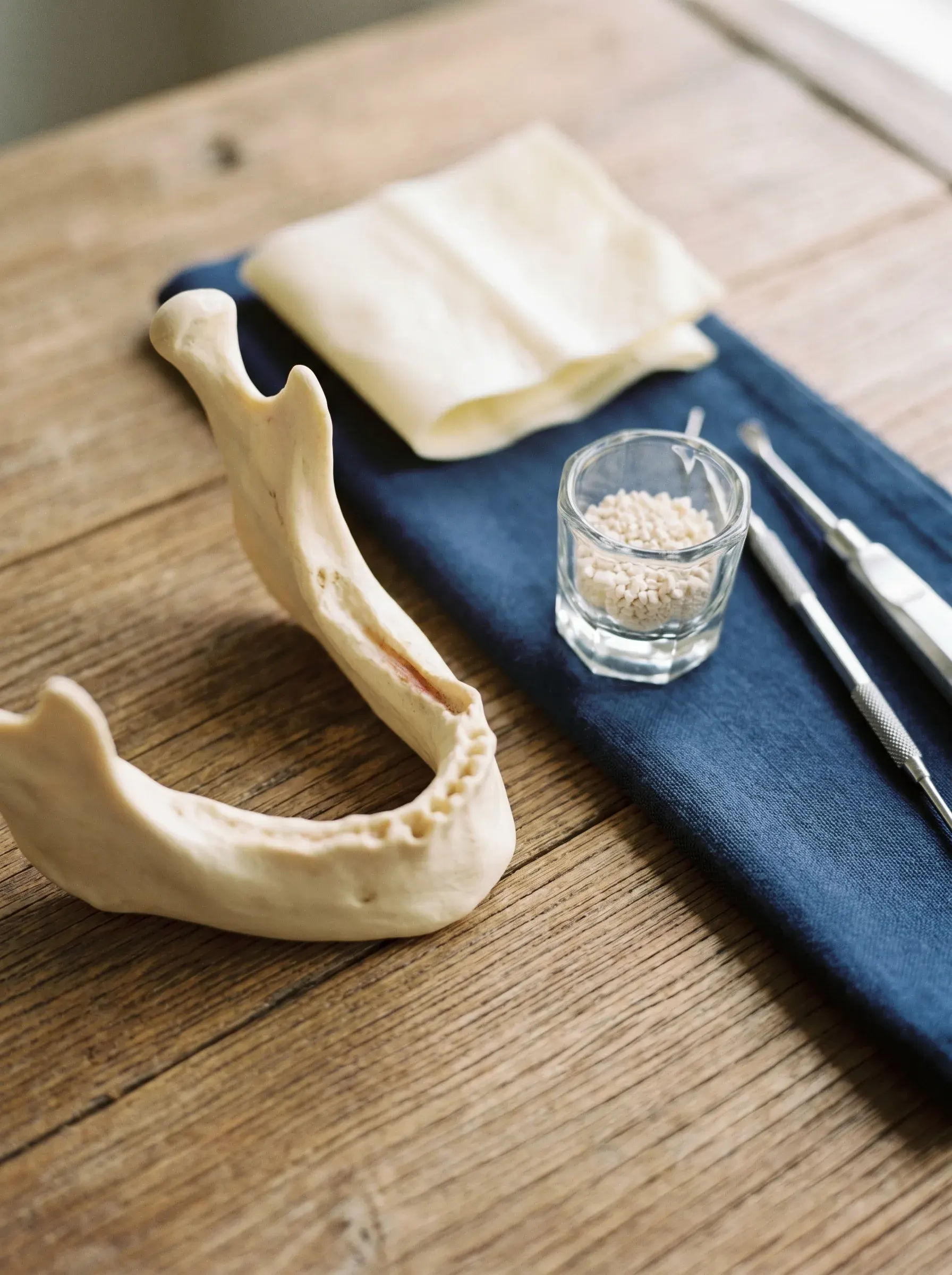
Surgical extraction of broken, retained or unrestorable teeth that cannot be managed in a general dental setting. Usually performed under local anaesthesia with intravenous sedation (twilight anaesthesia), or under general anaesthesia where preferred.
IS THIS FOR YOU?
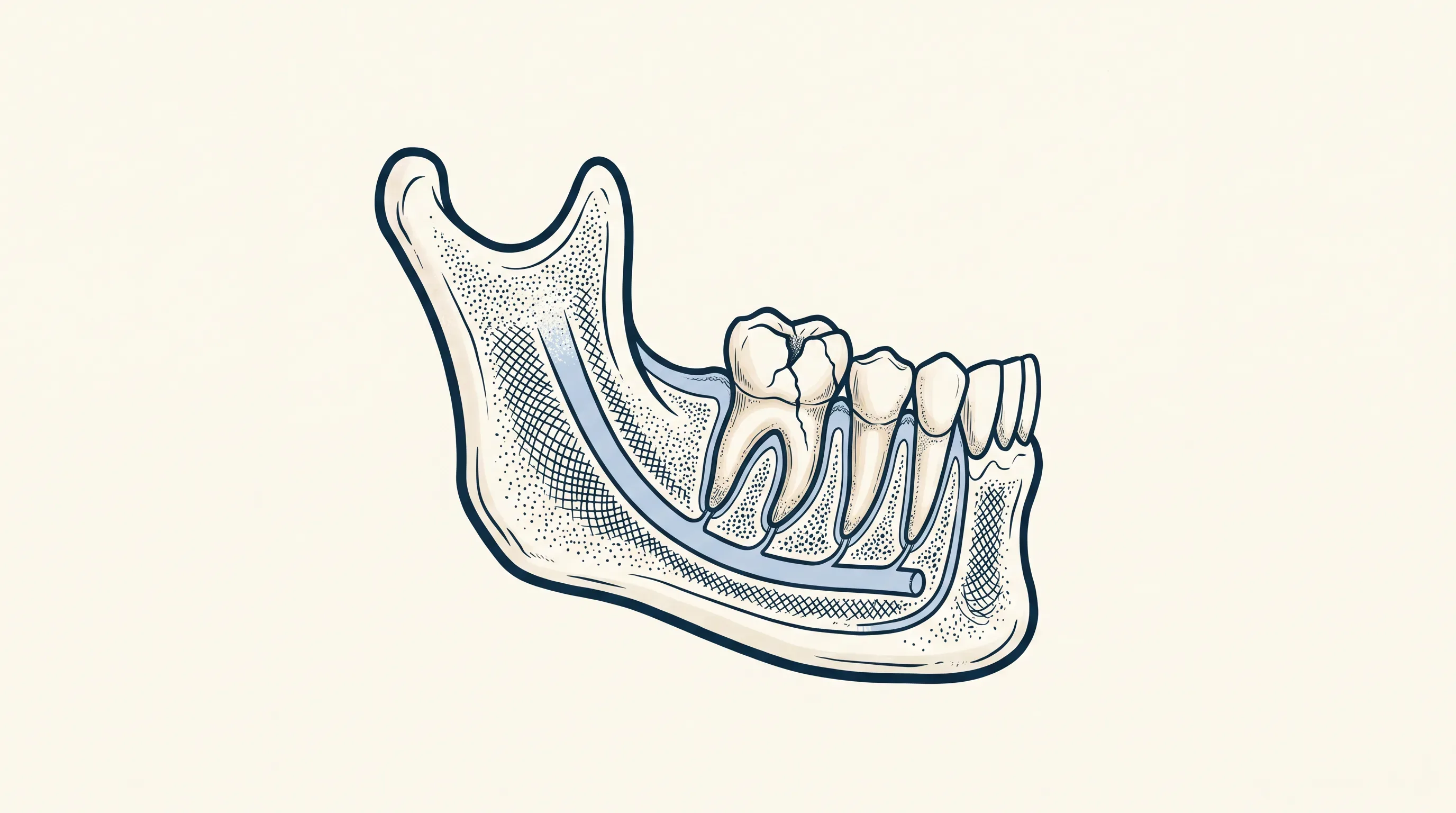
Understanding the anatomy
All three surgeons at OMS Specialists perform this procedure. Each holds dual qualifications in medicine and dentistry and is a Fellow of the Royal Australasian College of Dental Surgeons or the Royal College of Surgeons of England.
Specialist Oral & Maxillofacial Surgeon

Specialist Oral & Maxillofacial Surgeon

Specialist Oral & Maxillofacial Surgeon
RECOVERY TIMELINE
Most procedures are performed as day surgery, allowing you to return home the same day. Rest with your head elevated, apply an ice pack for 20 minutes each hour while awake, eat a soft diet, and take your prescribed pain relief as directed.
Heavy bleeding that does not stop with firm pressure, difficulty breathing or swallowing, a fever above 38°C, or rapidly worsening swelling.
Swelling usually peaks after 2–3 days before gradually improving. Bruising is common. Most people return to desk-based work within 3–5 days, although physically demanding work may require longer. Continue a soft diet and maintain good oral hygiene.
Swelling continues to settle, dissolvable stitches begin to fall away, your diet gradually returns to normal, and most people have resumed their usual daily activities.
| Phase | What to expect | When to contact us |
|---|---|---|
| First 24 hours | Most procedures are performed as day surgery, allowing you to return home the same day. Rest with your head elevated, apply an ice pack for 20 minutes each hour while awake, eat a soft diet, and take your prescribed pain relief as directed. | Heavy bleeding that does not stop with firm pressure, difficulty breathing or swallowing, a fever above 38°C, or rapidly worsening swelling. |
| Days 2–7 | Swelling usually peaks after 2–3 days before gradually improving. Bruising is common. Most people return to desk-based work within 3–5 days, although physically demanding work may require longer. Continue a soft diet and maintain good oral hygiene. | |
| Weeks 2–4 | Swelling continues to settle, dissolvable stitches begin to fall away, your diet gradually returns to normal, and most people have resumed their usual daily activities. |
RISKS & HONESTY
Some bleeding for the first 24 hours is normal; firm pressure with gauze controls it. Patients on blood-thinners are managed in consultation with their prescribing doctor.
Loss of the blood clot from the extraction site, typically around day 3–5, causing sharp pain. Treated with a medicated dressing in clinic.
Infection of the extraction site can occur in the days after surgery. Prescribed mouthwash and any antibiotics should be used as directed.
Where the tooth lies close to nerves, the maxillary sinus or adjacent teeth, careful technique minimises but does not eliminate risk to those structures. CBCT imaging is used pre-operatively when proximity is a concern.
FREQUENTLY ASKED
General dentists routinely manage straightforward extractions and many simpler oral surgical cases in their own rooms. Specialist oral and maxillofacial surgeon involvement is usually recommended when teeth are impacted within the jawbone, fractured at the gum line, or closely related to important structures such as the inferior alveolar nerve (which supplies feeling to the lower lip and chin) or the maxillary sinus, or when intravenous sedation (twilight anaesthesia) or general anaesthesia is preferred.
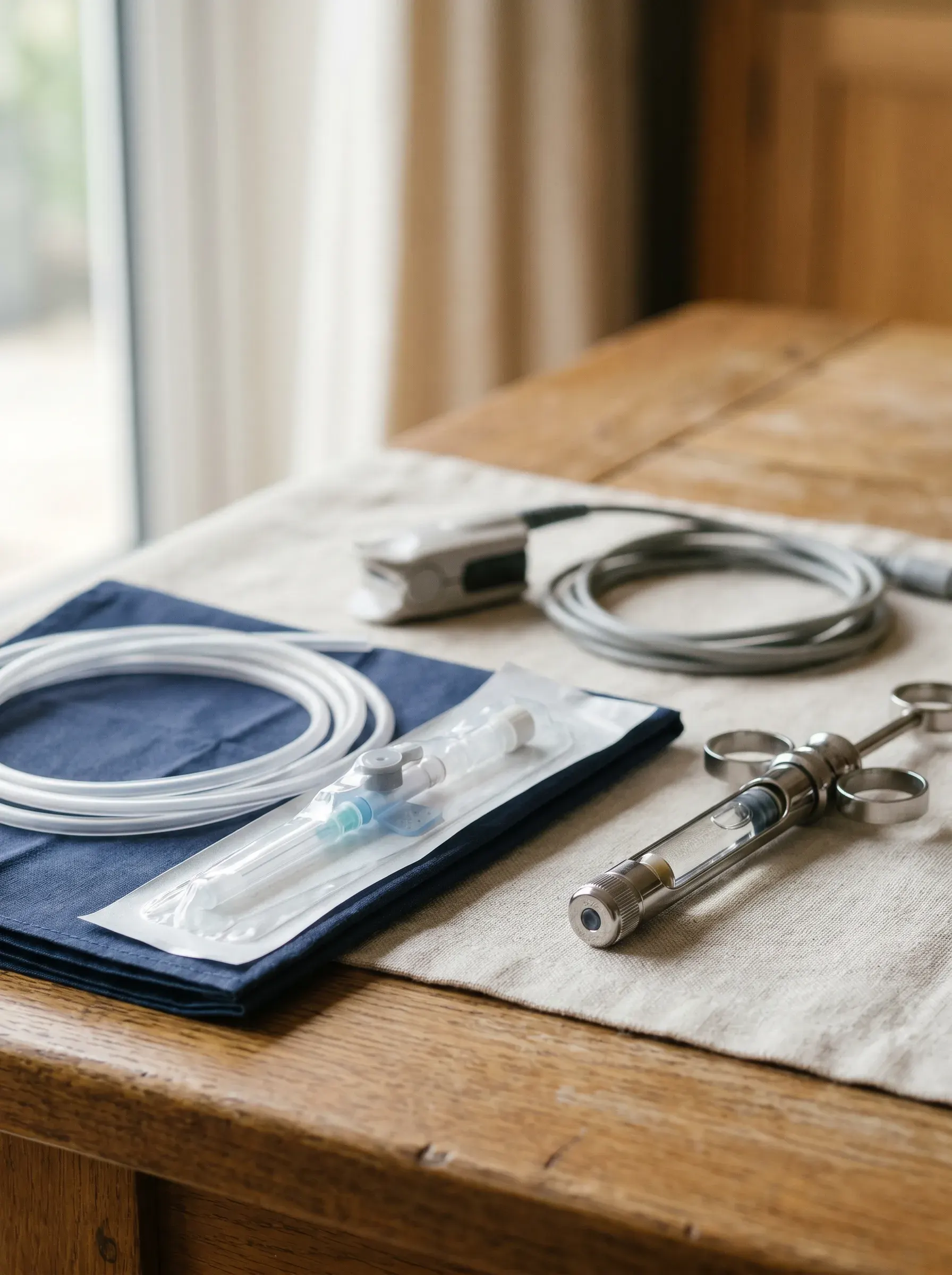
Most complex surgical extractions are performed under local anaesthesia with intravenous sedation (twilight anaesthesia) in one of our purpose-designed clinic rooms. Local anaesthesia alone is appropriate for simpler cases. General anaesthesia is reserved for multiple complex extractions, longer cases, or for patients who are particularly anxious.
Costs vary with the complexity of the procedure, the anaesthesia chosen, and whether private health insurance covers part of the treatment. At your consultation a full written estimate is provided covering the surgeon fee, anaesthetist fee (if applicable), theatre fee and follow-up appointments. Southern Cross and Nib commonly cover most procedures under their surgical plans.
Most patients return to desk-based work within 3 to 5 days. Soft diet, head elevation and prescribed pain medication are usually advised for the first few days, with swelling and bruising settling across the first week. Physical work and exercise can usually resume around 2 weeks.
RELATED PROCEDURES
DIRECT
Online form. Our admin team will respond within one working day.
Request appointmentCLINICIANS
For GPs, dentists and specialists. Secure referral portal with imaging upload.
Refer a patientSPEAK DIRECTLY
Mon to Fri, 8:00am to 5:00pm. Reception will route your call to the right person.
Call (09) 477 0058