Mr Richard Cobb
Specialist Oral & Maxillofacial Surgeon
- Oral Surgery
- Jaw Surgery
- Facial Surgery
- Skin Surgery

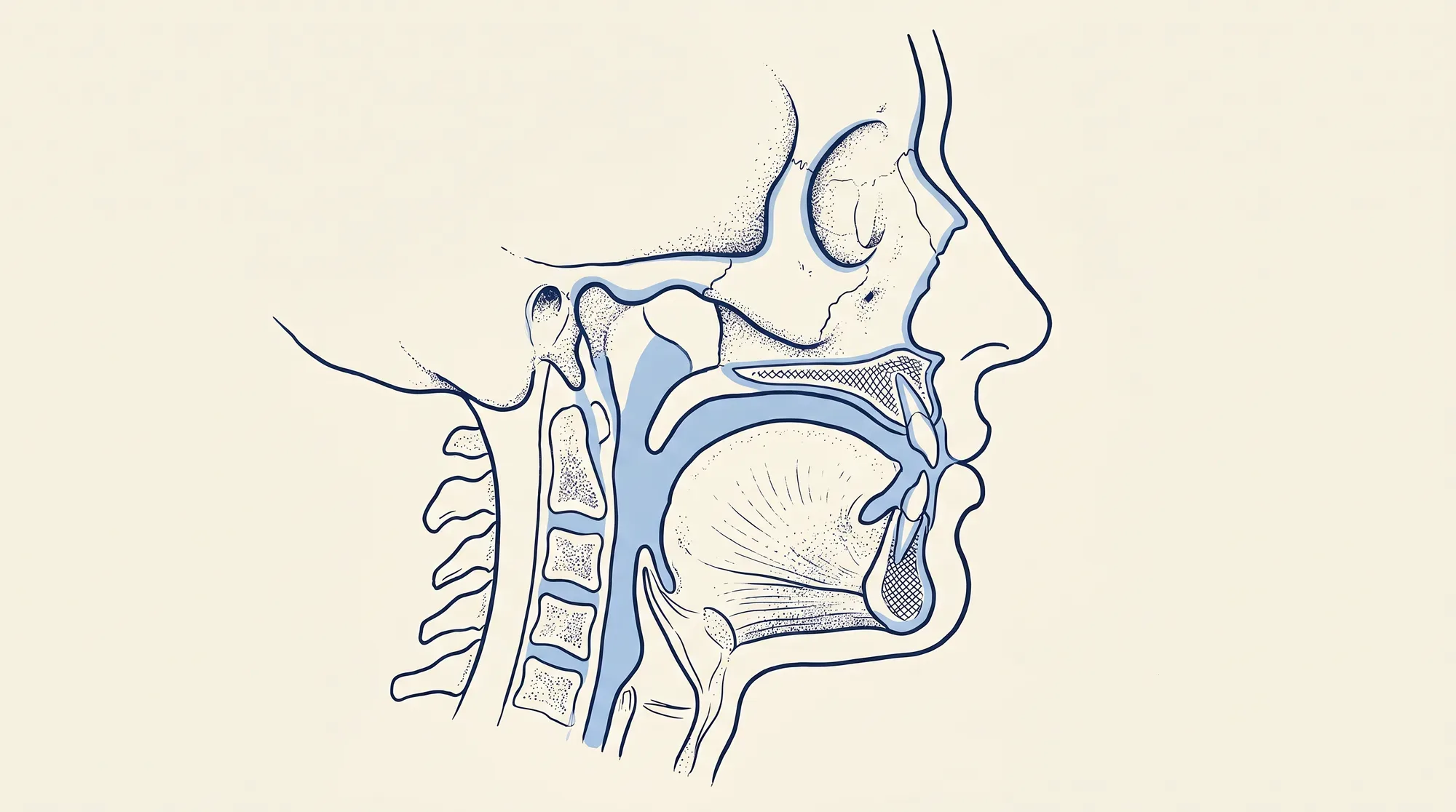
OSA is a sleep-related breathing disorder which involves the partial or complete obstruction of the upper airway due to relaxation of the walls of the throat. Over time, this can cause snoring, poor sleep and significant health problems such as high blood pressure, diabetes, stroke or heart attack.

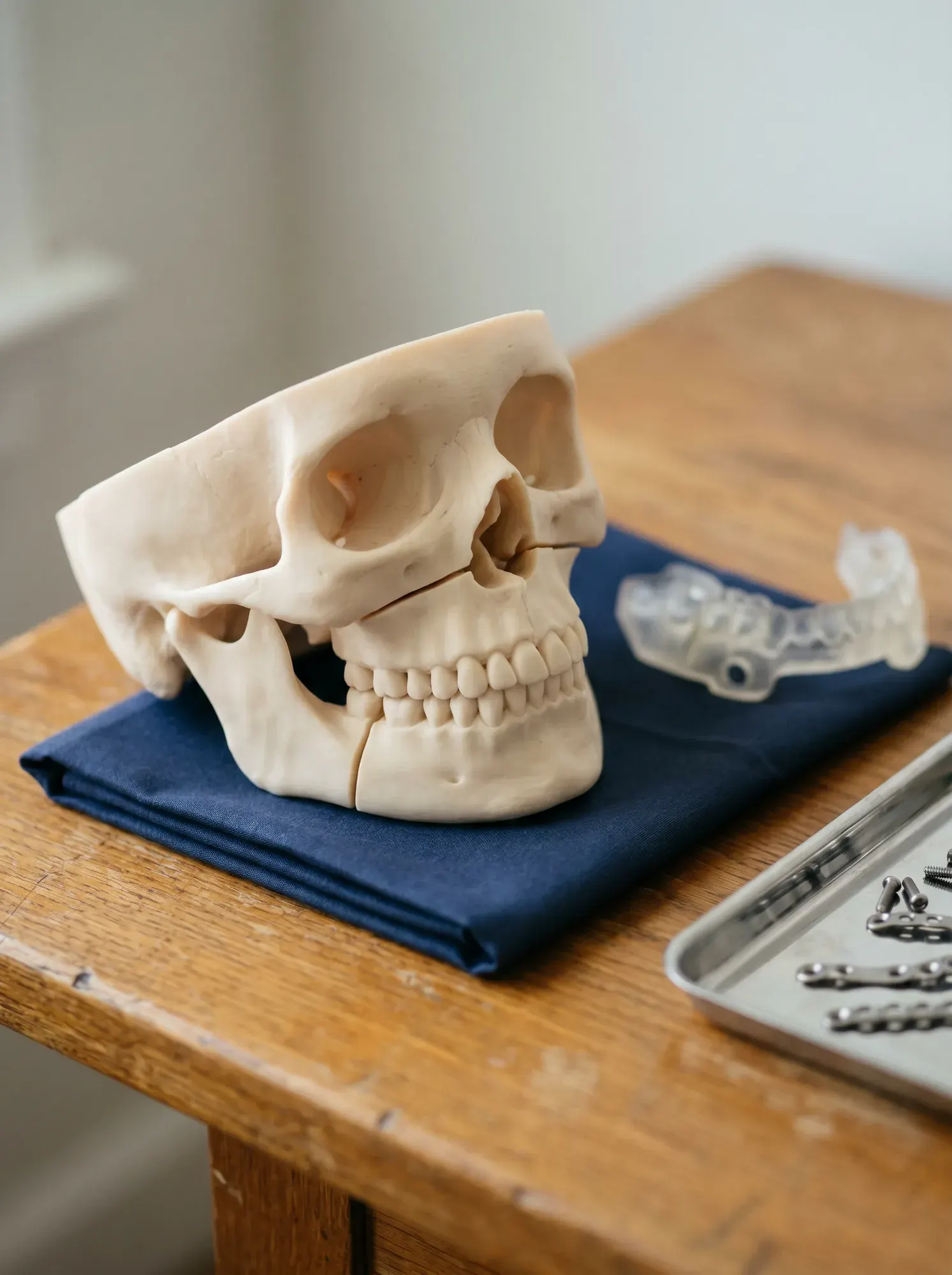
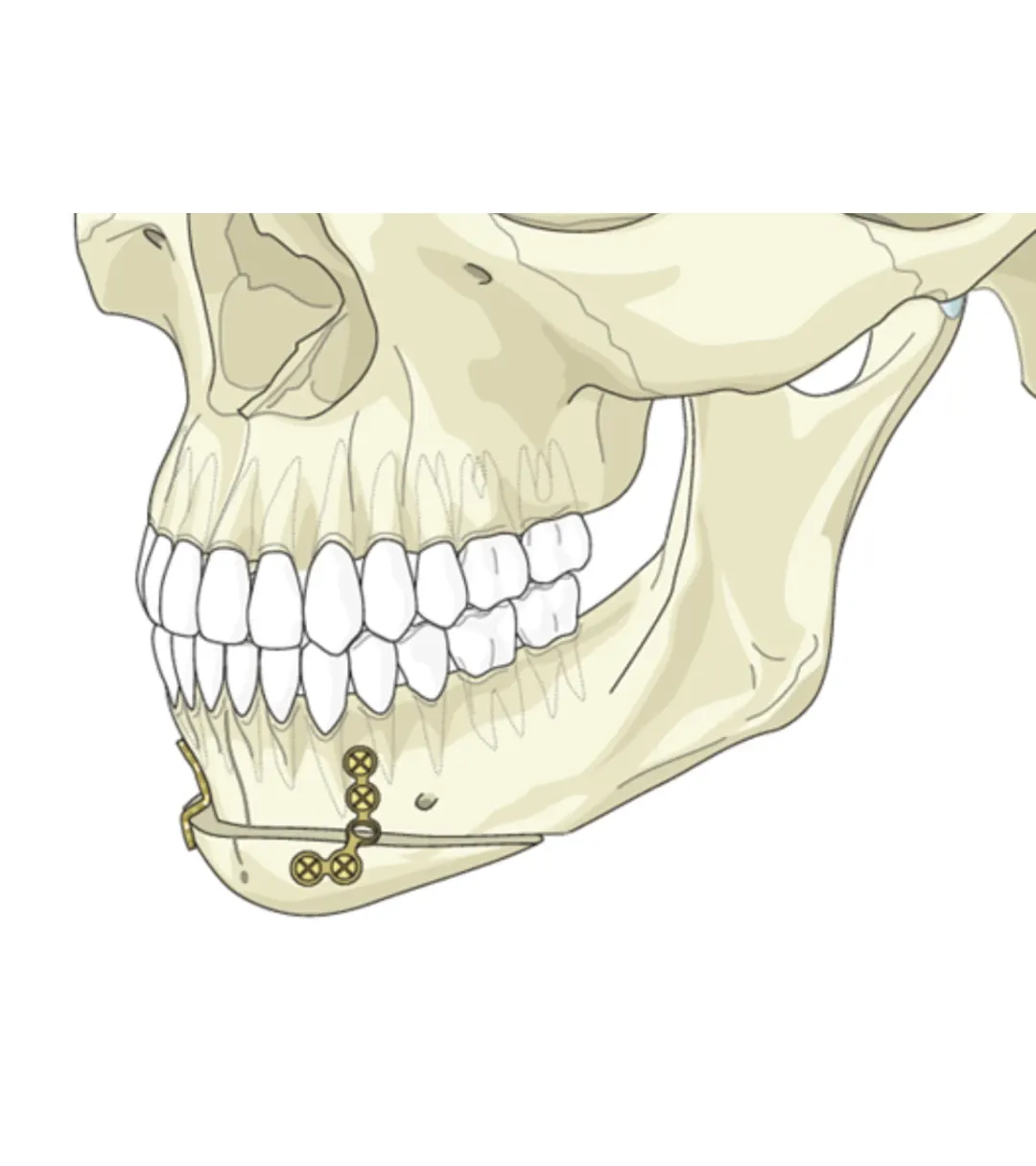
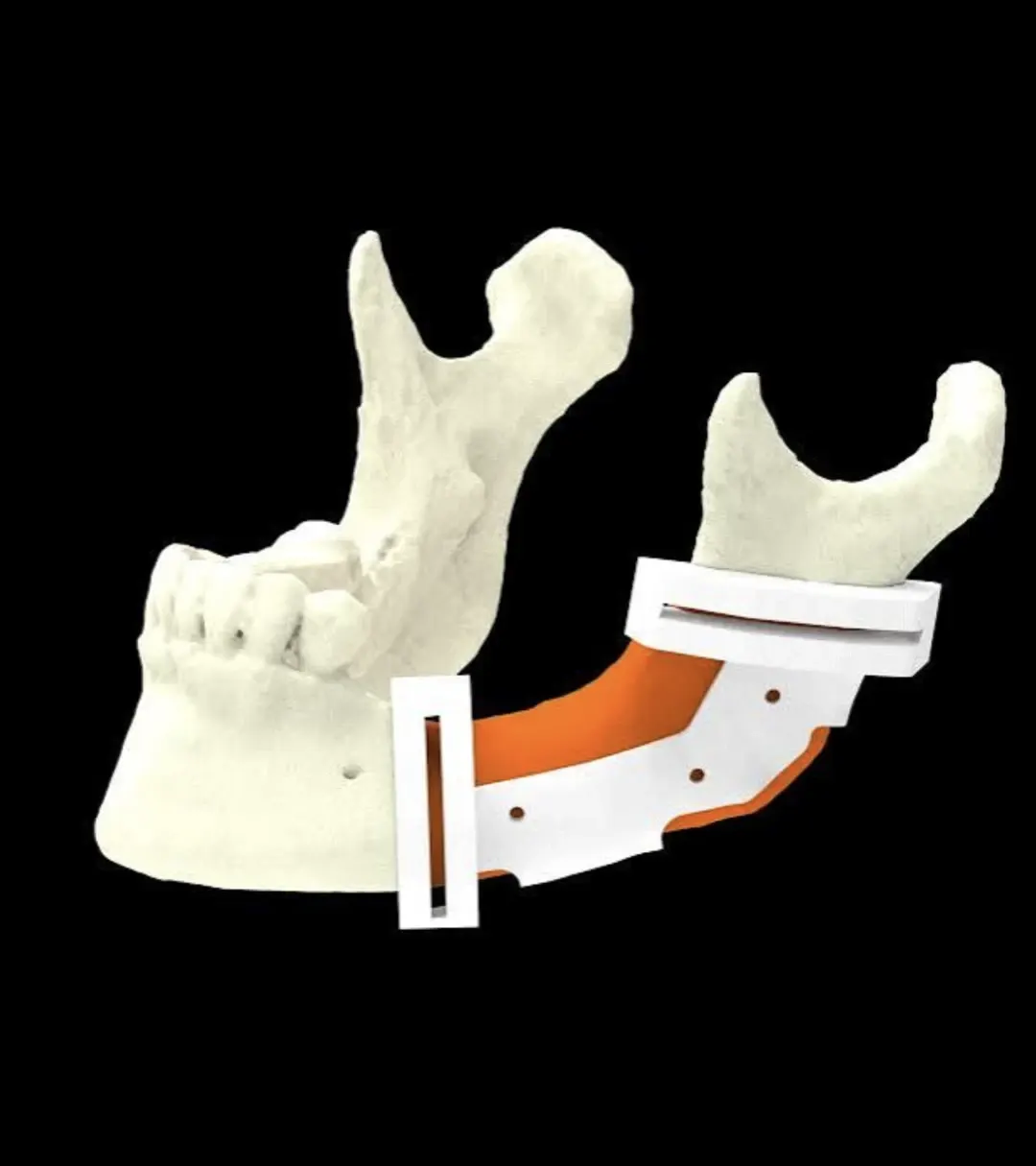
Surgical management of obstructive sleep apnoea, principally through Maxillo-Mandibular Advancement (MMA) for patients who do not tolerate or cannot succeed with CPAP. MMA is the most successful surgical procedure available for OSA in appropriately selected cases.
IS THIS FOR YOU?
Understanding the anatomy
All three surgeons at OMS Specialists perform this procedure. Each holds dual qualifications in medicine and dentistry and is a Fellow of the Royal Australasian College of Dental Surgeons or the Royal College of Surgeons of England.
Specialist Oral & Maxillofacial Surgeon

Specialist Oral & Maxillofacial Surgeon

Specialist Oral & Maxillofacial Surgeon
RECOVERY TIMELINE
Inpatient admission with monitored recovery. Liquid then soft diet, prescribed pain relief and anti-inflammatory medication.
Difficulty breathing, severe bleeding, fever over 38°C, or inability to swallow fluids.
Swelling peaks in the first week then settles. Soft diet continues. Most patients work from home in week 2.
Return to desk-based work and dietary progression to chewing soft foods. Sleep study repeat is usually scheduled at 3–6 months to confirm OSA resolution.
| Phase | What to expect | When to contact us |
|---|---|---|
| Hospital stay (1–2 nights) | Inpatient admission with monitored recovery. Liquid then soft diet, prescribed pain relief and anti-inflammatory medication. | Difficulty breathing, severe bleeding, fever over 38°C, or inability to swallow fluids. |
| Week 1–2 | Swelling peaks in the first week then settles. Soft diet continues. Most patients work from home in week 2. | |
| Week 4–6 | Return to desk-based work and dietary progression to chewing soft foods. Sleep study repeat is usually scheduled at 3–6 months to confirm OSA resolution. |
RISKS & HONESTY
Numbness or altered sensation of the lower lip, chin or cheek is common in the early weeks and usually recovers over months. A small risk of permanent altered sensation is discussed at consent.
Significant haemorrhage during MMA is uncommon but is part of the consent discussion given the vascular anatomy of the maxilla and mandible.
MMA significantly improves or cures OSA in the great majority of appropriately selected cases, but a small proportion of patients have residual OSA requiring ongoing CPAP or further intervention.
Infection at the surgical sites or around the fixation plates is uncommon and is managed with prescribed antibiotics.
FREQUENTLY ASKED
OSA is partial or complete obstruction of the upper airway during sleep due to relaxation of the walls of the throat. The gold standard of treatment usually involves continual-positive- airway-pressure (CPAP), which involves the patient wearing a machine during sleep, every night. For patients who do not tolerate CPAP, or are burdened by the discomfort, inconvenience and social stigma of CPAP, surgically advancing one or both jaws is the most successful surgical procedure available, in appropriately selected cases. Maxillo-Mandibular Advancement opens the airway by repositioning the maxilla and mandible forward.
In appropriately selected cases MMA significantly improves or cures OSA. Our Surgeons are highly experienced in performing Maxillo-Mandibular Advancement (MMA) for Obstructive Sleep Apnoea (OSA) patients and have a comprehensive understanding of the special considerations that must be accounted for. We work closely with your sleep physician to aim for a cure of OSA and ultimately a life off CPAP.
Yes. A sleep study (polysomnography) is required to confirm the severity of OSA, characterise the apnoea-hypopnoea index, and document baseline severity. A repeat sleep study is usually scheduled at 3 to 6 months after surgery to confirm the result.
MMA for OSA is usually a self-funded or insurance-covered procedure unless a specific funding pathway applies. Southern Cross and Nib commonly cover most procedures under their surgical plans when surgery is clinically indicated. A written estimate is provided at consultation.
RELATED PROCEDURES
DIRECT
Online form. Our admin team will respond within one working day.
Request appointmentCLINICIANS
For GPs, dentists and specialists. Secure referral portal with imaging upload.
Refer a patientSPEAK DIRECTLY
Mon to Fri, 8:00am to 5:00pm. Reception will route your call to the right person.
Call (09) 477 0058