
JAW SURGERY
TMJ Surgery in Auckland
The temporomandibular joint (TMJ) is the jaw joint, a common site of pain and problems. Most patients are managed without surgery; where the disc within the joint is damaged or displaced, or joint disease has not settled, surgery can help. OMS Specialists is a private surgical practice in Newmarket, Auckland, where TMJ surgery is carried out by oral and maxillofacial surgeons, from key-hole procedures through to joint replacement.
WHAT IT IS
What is TMJ surgery?
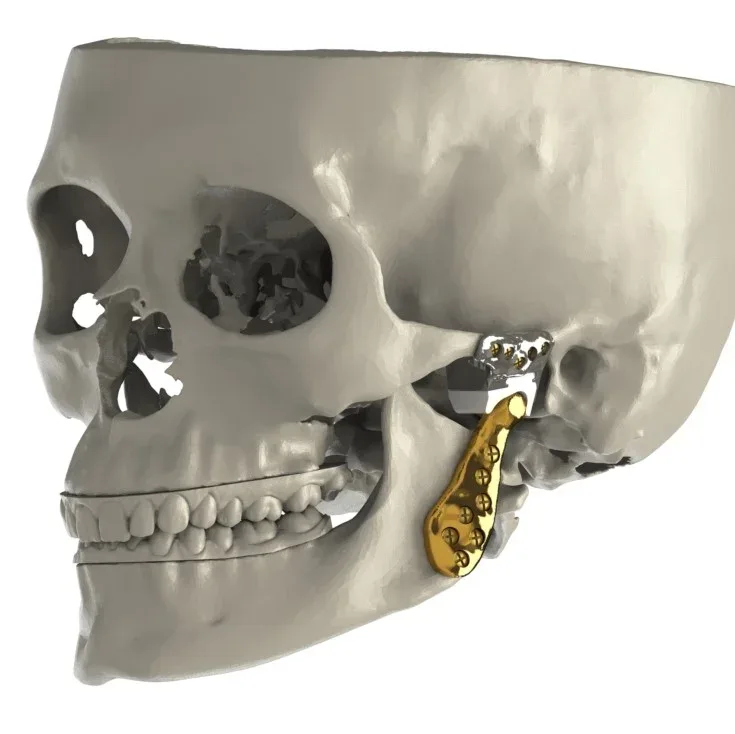
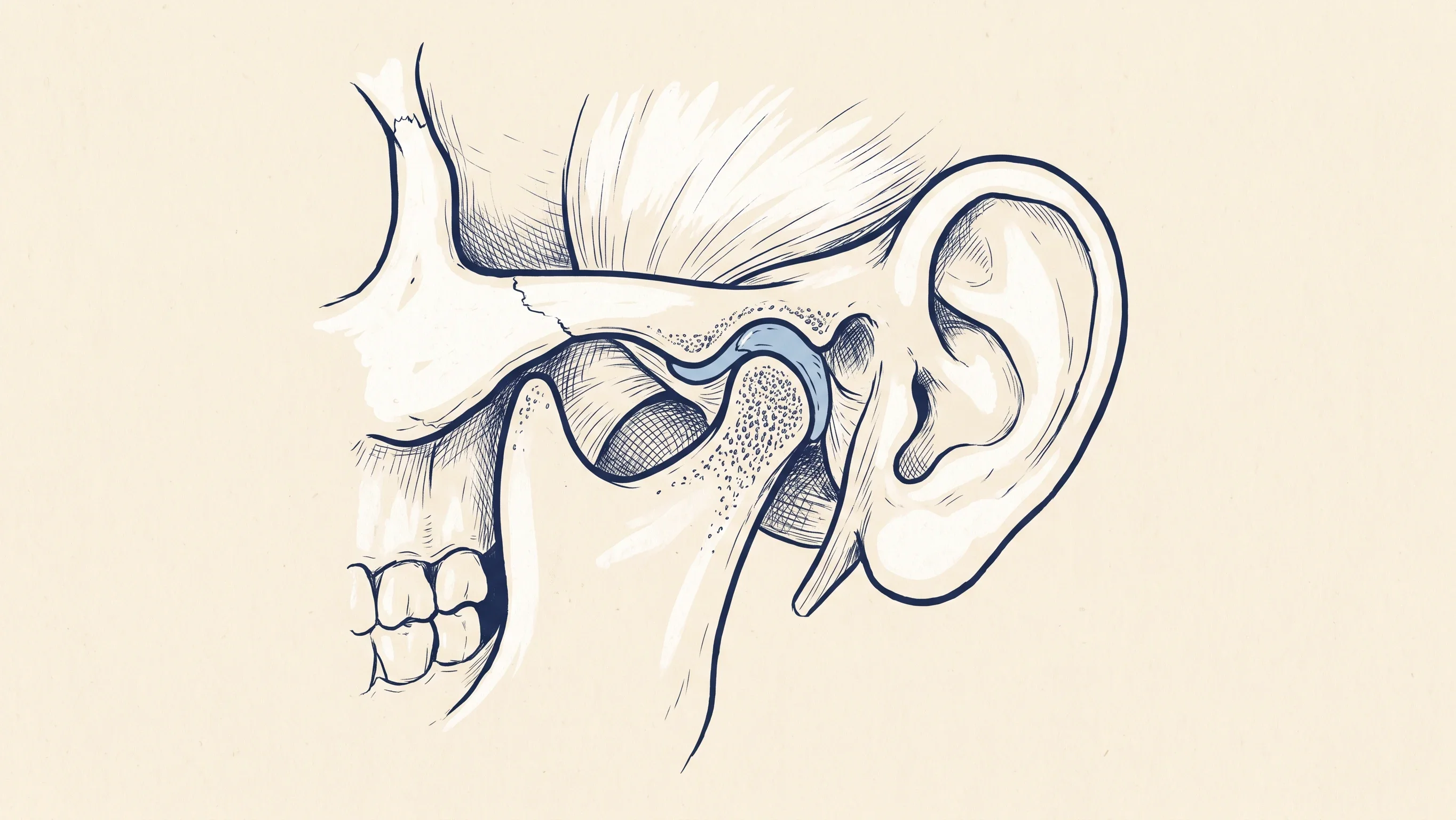
The temporomandibular joint (TMJ) is the jaw joint, and a common site of pain and problems. Most patients are managed effectively with jaw physiotherapy and other non-surgical care. Where the fibro-cartilage disc within the joint becomes damaged or stuck, or the joint develops disease that does not settle, surgery can be used to improve symptoms.
TMJ surgery is not a single operation. It is a staged range of procedures, from minimally invasive arthrocentesis and key-hole arthroscopy through to open joint surgery and total joint replacement. The least invasive option that is likely to help is considered first, with more involved surgery reserved for advanced joint disease.
At OMS Specialists, our surgeons hold qualifications in both dentistry (BDS) and medicine (MBChB or MBBS), with Fellowship from the Royal College of Surgeons (FRCS) or the Royal Australasian College of Dental Surgeons (FRACDS), and have trained in minimally invasive jaw-joint surgery in the USA.
QUICK ANSWER
What to expect from TMJ surgery at OMS Specialists
- Arthrocentesis · Arthroscopy · Open joint · Total joint replacement
- IV sedation or GA for arthrocentesis · GA for arthroscopy, open joint and replacement
- 30 minutes to 4 hours, by procedure
- Day-stay or hospital admission
- 1 to 6 weeks depending on procedure
- Usually covered by NZ health insurance · written quote at consultation
WHERE TMJ SURGERY FITS
Diagnosis first, surgery when it is needed
Most TMJ problems are diagnosed and managed without surgery. Assessment, physiotherapy and splint therapy are provided through the Auckland TMJ Centre, our dedicated TMJ practice. This page covers the surgical part of that pathway, for when non-surgical care has not settled the problem.
The same surgeons look after you across both. If the Centre recommends surgery, it is carried out here at OMS Specialists, so your care moves smoothly from assessment to treatment without changing teams.
Visit the Auckland TMJ CentreCOMMON SIGNS
Signs you may need TMJ surgery
Most jaw joint pain settles without surgery. These are the situations where we would assess whether a surgical procedure could help, usually after non-surgical care has been tried first.
-
Conservative care has not helped
Physiotherapy, a splint and medication have been tried for an adequate period without settling the jaw joint pain.
-
Damaged or displaced disc
The fibro-cartilage disc within the joint is damaged or has slipped out of position.
-
Jaw locking or restricted opening
The jaw locks, catches, or will not open fully, affecting eating and daily function.
-
Persistent clicking with pain
Clicking or grating in the joint that is painful or interferes with normal jaw movement.
-
Imaging confirms joint disease
A scan shows internal derangement, arthritis, or ankylosis of the temporomandibular joint.
-
A staged plan has been discussed
You and your surgeon have discussed escalating care, from key-hole surgery through to open surgery or joint replacement if needed.
Your surgery
A staged approach, from key-hole to joint replacement
TMJ surgery is staged. We consider the least invasive procedure likely to help first, and move to more involved surgery only when it is needed. Many patients are treated at the first or second stage.
- 01 Minimally invasive
Arthrocentesis
Flushing of the joint to wash out inflammatory mediators and free a stuck disc. The least invasive option, and often the first surgical step.
- Performed under IV sedation or general anaesthesia
- Day-stay, no hospital admission
- Most patients return to normal activity within a few days
- 02 Key-hole
Arthroscopy
Key-hole jaw joint surgery using a small camera and instruments, inserted through tiny incisions in front of the ear, to visualise and treat the joint directly.
- Adhesions or displaced disc tissue can be addressed under direct vision
- Performed under general anaesthesia
- Our surgeons have trained in these minimally invasive techniques in the USA
- 03 Advanced disease
Open joint surgery or total joint replacement
For more advanced joint disease, open joint surgery (arthroplasty) or total joint replacement is appropriate.
- Hospital procedures performed under general anaesthesia
- A longer recovery window with structured jaw rehabilitation
- Reserved for cases where less invasive surgery is not enough
How the temporomandibular joint works
Anaesthesia
Anaesthesia and where surgery happens
The anaesthetic depends on the procedure. Arthrocentesis is carried out under IV sedation or general anaesthesia at our own Auckland Day Surgery Centre in Newmarket. Arthroscopy is carried out under general anaesthesia. Open joint surgery and joint replacement are hospital procedures under general anaesthesia at Gillies Hospital. We discuss the right option with you at consultation.
-
IV sedation
Awake but deeply relaxed, with little or no memory of the procedure. An option for arthrocentesis, the least invasive procedure. You will need someone to drive you home.
- Arthrocentesis (IV sedation or general anaesthesia)
- Auckland Day Surgery Centre, Newmarket
- Day-stay
-
General anaesthetic
Fully asleep, with a specialist anaesthetist caring for you throughout. Used for key-hole arthroscopy, and for the more involved procedures where the joint is opened or replaced.
- Arthroscopy, open joint surgery and total joint replacement
- Auckland Day Surgery Centre for arthroscopy; Gillies Hospital for open joint surgery and total joint replacement
- Day-stay for arthroscopy; hospital admission for open joint surgery and total joint replacement
Risks
Risks we discuss before consent
All surgery carries risk. The risks below vary with the procedure, from minimally invasive arthrocentesis to joint replacement, and are discussed with you in detail before you consent.
Common or expected
Expected
Tenderness and swelling
Some tenderness and swelling around the joint is expected after surgery, and settles as you recover.
Discussed at consultation
Persistent or recurrent symptoms
Not every TMJ procedure fully resolves symptoms, and staged escalation is sometimes required. We discuss realistic expectations with you before surgery.
Rare, discussed in consent
Uncommon
Facial nerve injury
The branches of the facial nerve pass near the TMJ. Careful surgical technique minimises the risk of temporary or permanent weakness of the muscles of facial expression.
Uncommon
Infection
Infection of the surgical site is uncommon and is managed with prescribed antibiotics. Joint replacement carries a small but serious risk of prosthesis infection.
Recovery
Recovery, by procedure
Recovery depends on which procedure you have. Minimally invasive surgery is a quick return to normal activity; open surgery and joint replacement take longer and involve structured rehabilitation. Throughout, we track your progress using validated assessment and outcome measurements.
- 0 to 7 days
Arthrocentesis / Arthroscopy
Day-stay procedure. Soft diet for several days and gentle jaw range-of-motion exercises. Most patients return to desk-based work within 3 to 5 days.
- 1 to 4 weeks
Open joint surgery
Hospital admission followed by structured jaw rehabilitation. Soft diet for several weeks. Return to work timing depends on procedure complexity.
- 6 to 12 weeks
Total joint replacement
Longer rehabilitation with formal jaw physiotherapy. Most patients regain functional jaw movement over 3 months, with continued improvement up to a year.
What helps recovery
- Keep to a soft diet for the period your surgeon advises
- Do the gentle jaw range-of-motion exercises you are given
- Attend formal jaw physiotherapy after joint replacement
- Come to your review appointments so we can check healing
When to call us
- Severe pain not relieved by your prescribed medication
- Fever
- Worsening jaw locking
Cost & insurance
What TMJ surgery costs in Auckland
With NZ health insurance such as Southern Cross, nib, AIA or Accuro/Unimed, TMJ surgery is usually included under your surgical cover. We arrange pre-approval with your insurer in advance. If you are self-paying, the fee depends on which procedure you need.
What affects your cost
- Which procedure is needed, from arthrocentesis through to joint replacement
- Whether it is a day-stay or a hospital admission
- The anaesthetic, sedation or general anaesthesia
- Any imaging needed to plan the procedure
What your quote includes
- Consultation
- Imaging as needed
- Surgical fee
- Anaesthetic team
- Post-op review
You receive a written, itemised quote at your consultation. With insurance, pre-approval is confirmed before surgery, so there are no surprises on the day.
YOUR SURGEONS
The surgeons who perform TMJ surgery
TMJ surgery at OMS Specialists is performed by surgeons who hold qualifications in both dentistry (BDS) and medicine (MBChB or MBBS), with Fellowship from the Royal College of Surgeons (FRCS) or the Royal Australasian College of Dental Surgeons (FRACDS). All have completed additional TMJ surgical training in the USA, with some having completed formal international fellowship training in jaw and TMJ surgery.

FAQ
Questions we hear from TMJ patients in Auckland
Do I need TMJ surgery, or can my pain be managed without it?
Most patients with TMJ pain can be effectively managed with simple jaw physiotherapy and other non-surgical techniques such as splints, medication and behaviour modification. Surgery is usually considered when conservative treatment has been tried for an adequate period without relief, when imaging confirms internal derangement or arthritis, or when jaw locking and restricted opening significantly affect daily function. At consultation we assess your case in the context of the full TMJ pathway and recommend the least invasive effective option.
Where does diagnosis and non-surgical care happen?
Diagnosis and non-surgical management of TMJ conditions, including assessment, physiotherapy and splint therapy, are provided through the Auckland TMJ Centre. Where a case needs surgery, it is carried out by the same surgeons at OMS Specialists. The two work together so your care moves smoothly from assessment to treatment.
What is the difference between arthrocentesis, arthroscopy, and open joint surgery?
These are stages of a single pathway, from least to most invasive. Arthrocentesis is a minimally invasive flushing of the joint to wash out inflammatory mediators and free a stuck disc, performed under IV sedation or general anaesthesia as a day-stay. Arthroscopy is key-hole surgery using a small camera and instruments inserted through tiny incisions in front of the ear, to visualise and treat the joint directly, carried out under general anaesthesia. Open joint surgery and total joint replacement are more involved hospital procedures under general anaesthesia, reserved for advanced joint disease. We consider the least invasive option likely to help first.
What does TMJ arthroscopy involve?
TMJ arthroscopy is a key-hole jaw joint procedure using a small camera and instruments inserted through tiny incisions in front of the ear. The joint is visualised directly and adhesions or displaced disc tissue can be addressed. It is performed under general anaesthesia. Our surgeons have trained in minimally invasive jaw-joint surgery in the USA, with surgical TMJ disease a regular area of practice.
How long is recovery after open joint surgery or joint replacement?
Recovery varies significantly with the procedure. Arthrocentesis and arthroscopy patients are typically back to normal activity within a week. Open joint surgery requires several weeks of soft diet and rehabilitation. Total joint replacement involves formal jaw physiotherapy, and most patients regain functional jaw movement over 3 months, with continued improvement up to a year.
How much does TMJ surgery cost in Auckland?
With NZ health insurance such as Southern Cross, nib, AIA or Accuro/Unimed, TMJ surgery is usually included under your surgical cover, and we arrange pre-approval in advance. If you are self-paying, the fee depends on which procedure you need, from arthrocentesis through to joint replacement, and the anaesthetic involved. You receive a written, itemised quote at your consultation that covers the consultation, imaging as needed, surgical fee, anaesthetic team and your post-op review.
Do I need a referral from my dentist or GP?
No referral is needed to request an appointment with OMS Specialists. Tell us a little about your situation and we will be in touch within one business day with available consult times. Dentists, GPs and other specialists can also refer patients electronically via Healthlink or our online referral form, and we acknowledge every referral within 24 to 48 hours.
Will I need a total joint replacement?
Very few patients with TMJ problems require a joint replacement. Total joint replacement is reserved for advanced joint disease where less invasive surgery is not enough. The TMJ pathway is staged, and many patients are treated with arthrocentesis or arthroscopy. We discuss what is appropriate for your case at consultation.
Can I have TMJ surgery at OMS if I live outside Auckland?
Yes. OMS Specialists is a private surgical practice in Newmarket, Auckland, and we see patients who travel in for TMJ surgery. No referral is needed to request an appointment. If you live outside Auckland, contact our rooms and our team will help plan your consultation and surgery around your travel.
Patient experience
Reviews from recent patients
OMS Specialists' patients share their experiences on Google, where reviews are independent and unedited. Read what recent patients say about their care, including jaw and TMJ procedures.
Read reviews on Google →CALL US URGENTLY IF…
Concerns after surgery
Phone us early rather than late. You are given an after-hours contact number when you leave.
(09) 477 0058- Severe escalating pain not relieved by your prescribed medication
- Fever
- Worsening jaw locking, or being unable to open or close your jaw
- Spreading facial swelling, especially toward your neck
- New or worsening weakness of the muscles of facial expression
- Bleeding around the joint that does not settle with gentle pressure
RELATED PROCEDURES
Other procedures we perform
-
JAW SURGERY
Corrective jaw surgery (orthognathic)
Surgery to reposition the upper or lower jaw, used where the jaws or bite do not meet correctly.
Learn about corrective jaw surgery -
SKIN SURGERY
Botox and fillers
Non-surgical treatments offered by our surgeons alongside our facial and jaw surgery.
Learn about Botox and fillers -
ANAESTHESIA & SEDATION
General anaesthesia
What to expect from a general anaesthetic for surgery, and the specialist team who look after you.
Learn about general anaesthesia
WAYS TO GET IN TOUCH
Starting the conversation
FOR PATIENTS
Request an appointment
Tell us a little about your situation and we'll be in touch within one business day with available consult times.
Request appointmentFOR DENTISTS & GPs
Refer a patient
Electronic referral via Healthlink or our online referral form. We acknowledge every referral within 24 to 48 hours.
Refer a patientBY PHONE
Call our rooms
Speak with our team during business hours. Best if you have any imaging or a referral letter ready.
Call (09) 477 0058