JAW SURGERY

Corrective jaw surgery & orthognathic care in Auckland

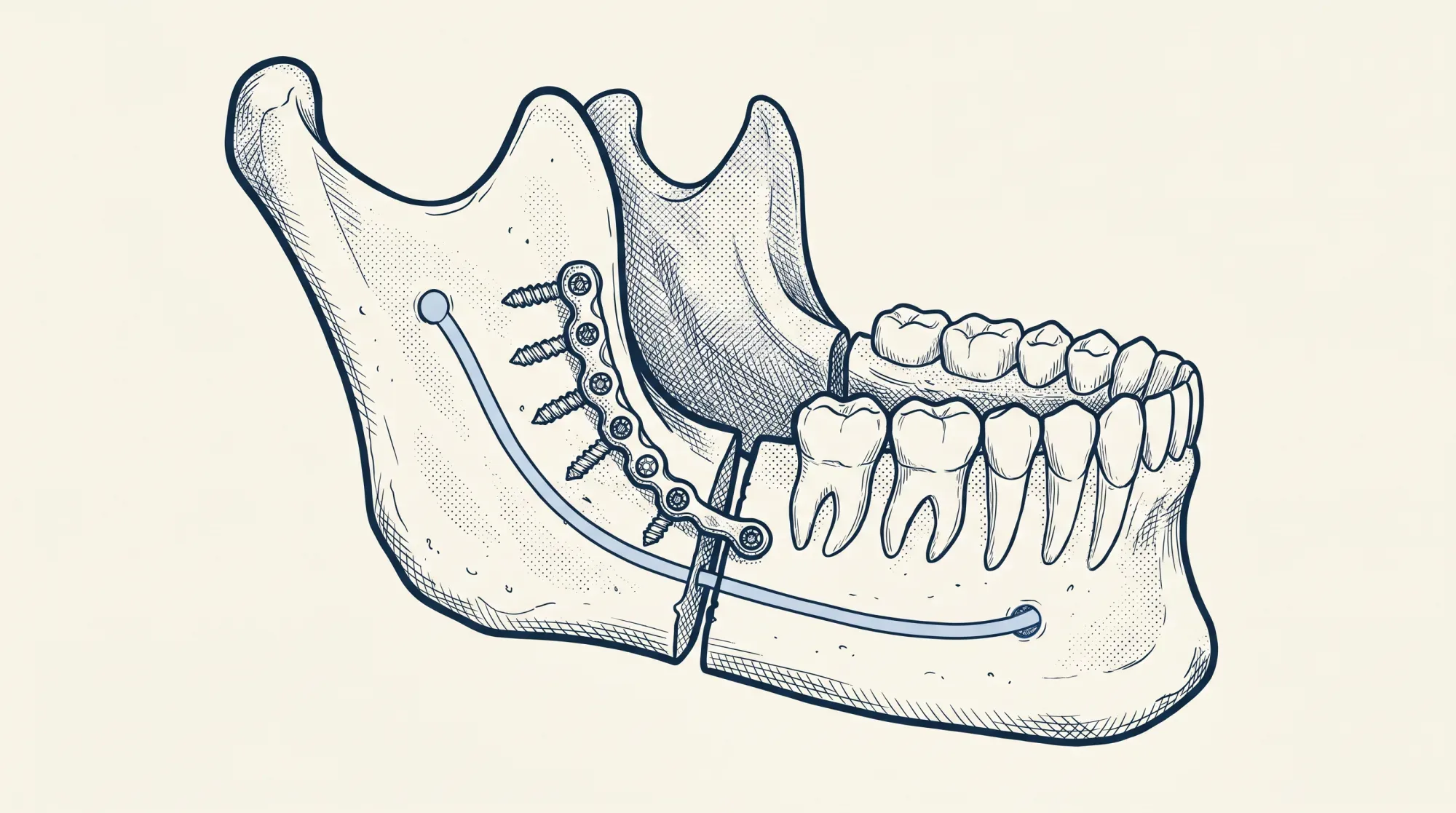
Growth of the cranio-facial skeleton can be variable, and abnormal growth of the jaws can cause an abnormal bite which in turn can lead to difficulties with eating, facial imbalance or sleep disordered breathing (such as obstructive sleep apnoea). These facial skeletal problems can be very effectively treated with corrective jaw surgery which is usually undertaken in combination with orthodontic (braces) treatment.

OMS Specialists surgical team performing corrective jaw surgery in theatre

Quick answer about this procedure

QUICK ANSWER

Corrective jaw surgery (orthognathic surgery) repositions the upper jaw, lower jaw or chin to address skeletal discrepancies causing an abnormal bite, breathing difficulties or facial imbalance. Led by Mr Richard Cobb (Melbourne Orthognathic Fellowship), complex cases are planned using 3D Virtual Surgical Planning software.

Procedure types
5 procedures
Anaesthesia
General anaesthesia (most cases)
Duration
2–6 hrs (orthognathic)
Stay
1–3 nights (inpatient)
Recovery
2–6 weeks off work

CONDITIONS WE TREAT

Skeletal jaw conditions we surgically manage

  • Bite and growth discrepancies

    • Abnormal growth of the upper or lower jaw producing an abnormal bite
    • Open bite, deep bite, or crossbite of skeletal origin
    • Facial asymmetry caused by abnormal jaw growth
    • A receding or prominent chin (which may be treated with genioplasty)
  • Sleep and breathing

    • Obstructive sleep apnoea (OSA) of skeletal origin
    • Maxillo-Mandibular Advancement (MMA) for severe OSA in appropriately selected cases
  • TMJ and jaw pathology

    • Temporomandibular joint (TMJ) pain, clicking or locking
    • Cysts and tumours of the jaw bones
    • Jaw deformity following trauma where revision surgery is required

OUR APPROACH

Jaw surgery, planned in 3D

OMS Specialists surgeons perform corrective jaw surgery (orthognathic surgery). They work with specialist orthodontists on the facial and dental outcomes and plan complex cases using 3D Virtual Surgical Planning software.

Mr Richard Cobb completed the Melbourne Orthognathic Fellowship and has a specific interest and expertise in this area. Most patients follow a braces-first pathway: orthodontic treatment aligns the teeth within each jaw, surgery repositions the jaws, and a shorter phase of orthodontic finishing fine-tunes the bite.

At your consultation a detailed history and examination will be performed. Where appropriate, CBCT imaging and digital models will be arranged so the surgery can be planned virtually beforehand. You will then be given a treatment plan with all of your options, and time to consider these in order to make an informed decision about how you would like to proceed.

PROCEDURES

Five jaw surgery procedures we perform

Each procedure has a dedicated page with detail on recovery, anaesthesia, cost pathways, and surgeon assignment.

PROCEDURE 01

Corrective jaw surgery (orthognathic)

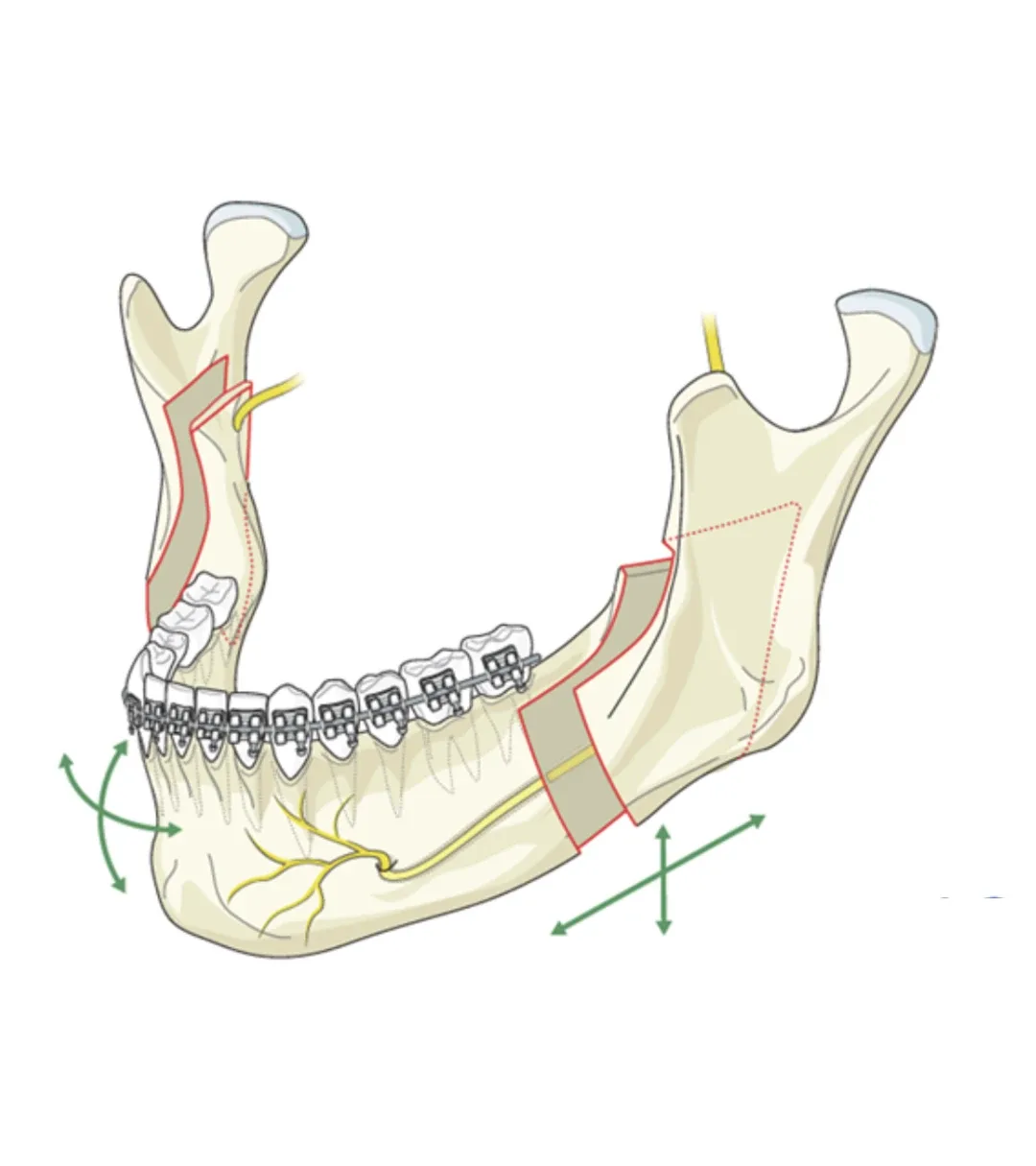
Surgical repositioning of the upper jaw (Le Fort I), the lower jaw (BSSO), or both (bimaxillary surgery) to address skeletal bite and facial-balance problems. Complex cases are planned in 3D using custom surgical splints.

General 3–6 hrs
Read the full procedure
PROCEDURE 02

Chin augmentation (genioplasty)

Surgical repositioning of the chin segment (advancement, reduction or vertical adjustment) to improve facial balance. The procedure can be performed on its own, or alongside corrective jaw surgery where appropriate.

General 60–90 min
Read the full procedure
PROCEDURE 03

Jaw cysts and tumours

Surgical removal of cysts and benign or malignant tumours of the jaw bones, with reconstruction where required. Tissue is sent for histopathology, and ongoing surveillance is arranged where indicated.

Local · Sedation · GA 60–180 min
Read the full procedure
PROCEDURE 04

Temporomandibular joint (TMJ) surgery

Surgical management of TMJ pain, clicking, locking and disc displacement, in cases where conservative care has not resolved symptoms. This can range from key hole surgery (arthroscopy or arthrocentesis) through to open joint surgery and joint replacement (arthroplasty).

General 60–180 min
Read the full procedure
PROCEDURE 05

Obstructive sleep apnoea (OSA)

Surgically advancing one or both jaws (Maxillo-Mandibular Advancement, or MMA) for moderate-to-severe OSA, in appropriately selected cases where CPAP has not been tolerated or has failed. The procedure enlarges the upper airway.

General 3–5 hrs
Read the full procedure
YOUR SURGEONS

Three specialist surgeons across the practice

Each surgeon carries dual qualifications (BDS + MBChB or MBBS) plus Fellowship from the Royal Australasian or English College.

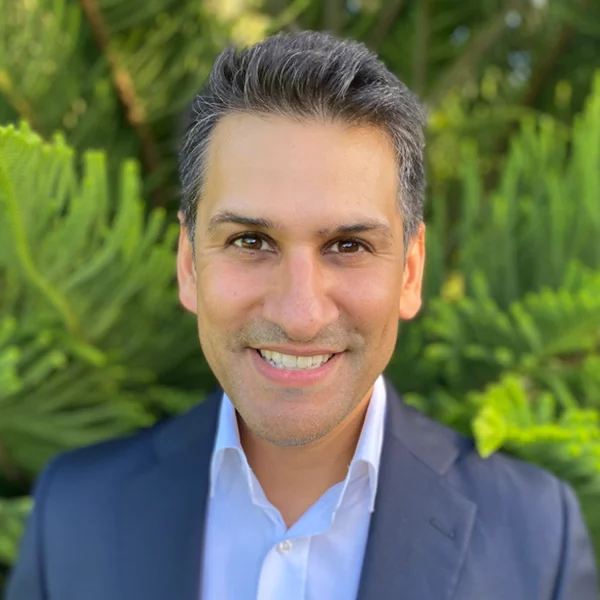
Mr Richard Cobb, Specialist Oral and Maxillofacial Surgeon

Mr Richard Cobb

Specialist Oral & Maxillofacial Surgeon

BDS · MBBS · MFDS(Eng) · MRCS(Eng) · FRCS(OMFS)

  • Oral Surgery
  • Jaw Surgery
  • Facial Surgery
  • Skin Surgery
View full profile
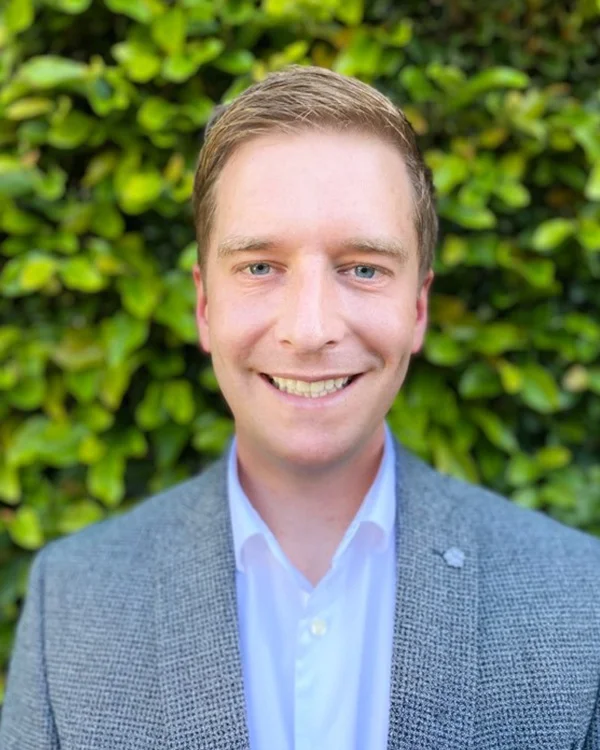
Mr Ryan Smit, Specialist Oral and Maxillofacial Surgeon

Mr Ryan Smit

Specialist Oral & Maxillofacial Surgeon

BDS · MBChB · MRACDS(PDS) · FRACDS(OMS)

  • Oral Surgery
  • Jaw Surgery
  • Facial Surgery
  • Skin Surgery
View full profile
Mr Simon Roberts, Specialist Oral and Maxillofacial Surgeon

Mr Simon Roberts

Specialist Oral & Maxillofacial Surgeon

MBBS · BDS · FRCS(OMFS)

  • Oral Surgery
  • Jaw Surgery
  • Facial Surgery
  • Skin Surgery
View full profile

RECOVERY TIMELINE

What recovery usually looks like after jaw surgery

Recovery from corrective jaw surgery is longer than most oral surgery, and most patients need 2 to 6 weeks off work with several months for full bone healing. The timeline below is a general guide. A specific recovery plan will be given to you pre-operatively, along with post-operative instructions and contact information for help and advice should you need it.

  • 0–1 week

    Day 1–7

    1 to 3 nights in hospital. Facial swelling peaks in the first 2 to 3 days before settling. Liquid diet, regular pain medication, and limited mouth opening initially.

    Red flags · Difficulty breathing, uncontrolled bleeding, persistent vomiting, or fever over 38.5°C.

  • 8–21 days

    Week 2–3

    Swelling continues to reduce. Soft or blenderised diet, with light desk-based work often possible. Numbness around the lips and chin is common and gradually resolves.

  • 4–6 weeks

    Week 4–6

    Most patients return to work. Diet transitions to soft solids and light exercise resumes. Bite refinement with the orthodontist (often using elastics) typically begins here.

  • 3–12 months

    Month 3–12

    Bone healing consolidates and final orthodontic treatment completes. Sensation usually continues to recover for some months (most by 6 months, in some cases up to 12).

FREQUENTLY ASKED

Questions jaw surgery patients ask in NZ

Common questions patients ask before booking jaw surgery in New Zealand.

How much does jaw surgery cost in New Zealand?

The cost of corrective jaw surgery (orthognathic surgery) depends on whether one or both jaws are repositioned, the length of the hospital stay (usually 1 to 3 nights), and the specialist anaesthetist time required. As an indication, single-jaw orthognathic surgery is typically in the NZ$20,000 to $30,000 range, bimaxillary surgery in the NZ$30,000 to $45,000 range, both including hospital theatre and anaesthetist fees. Chin augmentation (genioplasty) on its own is significantly less. 3D Virtual Surgical Planning, where used, is included in the surgical estimate. At your consultation a full written estimate will be provided covering surgeon, anaesthetist, hospital and follow up.

Do I need a referral, or can I book directly?

You can make a self-referral for an initial consultation, and a GP or dentist referral is not required to make an appointment. That said, most jaw surgery patients do come to us via referral from a specialist orthodontist, because corrective jaw surgery (orthognathic surgery) is delivered as a joint plan involving both the orthodontist and the surgeon. If you do not yet have an orthodontist, we can recommend Auckland specialists we work with regularly. Please bring any existing imaging (OPG, lateral cephalogram or CBCT) to your appointment, or have your dentist or orthodontist forward records ahead. At consultation a detailed history and examination will be performed and a combined surgical and orthodontic plan discussed.

Can my GP or dentist do this, or do I need a specialist?

Jaw surgery sits firmly within the specialist oral and maxillofacial surgeon scope. It requires hospital theatre, general anaesthesia with a specialist anaesthetist, 3D Virtual Surgical Planning in complex cases, and surgeons holding dual qualification in dentistry and medicine plus fellowship-level training in orthognathic surgery. Mr Richard Cobb completed the Melbourne Orthognathic Fellowship and has a specific interest and expertise in this area. Your GP or dentist will usually refer to a specialist orthodontist and an oral and maxillofacial surgeon for joint assessment, and the surgical and orthodontic plan is then developed together before treatment begins.

What anaesthetic will I have: local, sedation, or general?

Corrective jaw surgery (orthognathic surgery), temporomandibular joint (TMJ) surgery, and Maxillo-Mandibular Advancement (MMA) for obstructive sleep apnoea are performed under general anaesthesia (complete anaesthesia) at an affiliated Auckland hospital, with a specialist anaesthetist. Smaller procedures such as a straightforward chin augmentation (genioplasty) can, in selected cases, be performed under intravenous sedation (twilight anaesthesia) rather than full general anaesthesia. Our surgeons work with the very best specialist anaesthetists, and the anaesthetic plan, fasting instructions and recovery arrangements are confirmed at your pre-operative review along with any questions about going under and waking up.

How long is recovery, and how much time off work will I need?

Most patients spend 1 to 3 nights in hospital following corrective jaw surgery and take 2 to 6 weeks off work overall. Desk-based roles often return at around 3 to 4 weeks, more physical roles closer to 6 weeks. Facial swelling peaks in the first 2 to 3 days before settling, and a soft or blenderised diet is usually required for several weeks while the bones heal in their new position. Full bone healing takes 3 to 6 months, sensation around the lips and chin continues to recover (usually by 6 months, in some cases up to 12), and orthodontic finishing with elastics typically begins around week 4 to 6. A specific recovery plan and medical certificate will be provided.

Will I need braces before and after jaw surgery?

Most corrective jaw surgery patients follow a braces-first pathway, with orthodontic treatment for around 12 to 18 months before surgery to align the teeth within each jaw, and then a shorter phase of 3 to 9 months afterwards to fine-tune the bite. In some appropriately selected cases a "surgery-first" pathway may be considered, in which the bulk of the orthodontics is completed after the surgery rather than before. Either way, the surgical and orthodontic plan is developed together between you, your specialist orthodontist and the surgeon. At consultation we will discuss the best approach for your case, the expected timeline, and the sequencing of imaging, surgery and orthodontic finishing.

START THE CONVERSATION

Three pathways to jaw surgery care

DIRECT

Request an appointment

Online form. Our admin team will respond within one working day.

Request appointment

CLINICIANS

Refer a patient

For orthodontists, GPs and specialists. Secure referral portal with imaging upload.

Refer a patient

SPEAK DIRECTLY

Call (09) 477 0058

Mon to Fri, 8:00am to 5:00pm. Reception will route your call to the right person.

Call (09) 477 0058